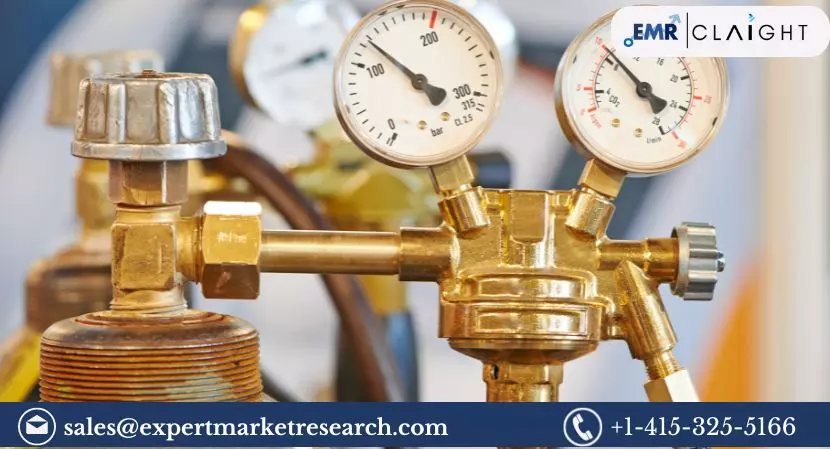
Global Industrial Gas Regulator Market: Trends, Growth, and Forecast (2025-2034)
The industrial gas regulator market plays a crucial role in various industries, ensuring safe and efficient gas flow control. Gas regulators are widely used in sectors such as food and beverages, pharmaceuticals, manufacturing, and chemical processing.
These regulators help in maintaining optimal gas pressure, preventing over-pressurization, and ensuring the safety and efficiency of industrial operations. The market is segmented based on material type, regulator type, gas type, and end-use applications.
The increasing demand for precise gas control, technological advancements, and the expansion of industrial automation are driving the market’s growth. Additionally, the focus on safety regulations and the rising use of specialty gases in industries are further influencing market trends.
With the integration of smart monitoring and IoT-enabled gas regulators, the industry is experiencing significant innovation, making industrial operations more reliable and efficient.
Market Overview
The global industrial gas regulator market size stood at a value of around USD 17.11 billion in 2024. The market is further expected to grow in the forecast period of 2025-2034 at a CAGR of 4.40% to reach USD 25.18 billion by 2034. The increasing adoption of industrial gases in various sectors such as pharmaceuticals, food and beverage, and manufacturing is fueling market expansion.
The demand for efficient gas handling solutions, coupled with stringent industrial safety regulations, is propelling the need for advanced gas regulators. Moreover, the rise of the pharmaceutical industry, where precise gas regulation is critical for medical applications, is significantly impacting the market.
The expansion of food and beverage processing industries, which require controlled gas flow for packaging and preservation, is also a key factor contributing to growth.
Additionally, with the growing concerns over hazardous gas handling and safety measures, the need for robust, high-quality gas regulators is becoming increasingly vital. Market players are focusing on innovation, material advancements, and regulatory compliance to meet the industry demands and sustain growth in the coming years.
Market Segmentation
By Material
Brass Regulators: Brass regulators are widely used due to their durability and resistance to corrosion. They are primarily used in handling inert gases such as nitrogen, argon, and helium. These regulators offer excellent sealing capabilities, making them ideal for industries where gas purity is a critical factor
.
Stainless Steel Regulators: Stainless steel regulators are preferred for handling corrosive and toxic gases. These regulators are known for their high strength and ability to withstand extreme industrial conditions. They are commonly used in chemical processing, pharmaceuticals, and semiconductor manufacturing, where gas purity and resistance to chemical reactions are essential.
By Regulator Type
Single-Stage Regulators: Single-stage regulators are designed to control gas pressure in applications requiring short-term pressure regulation. These regulators are commonly used in welding, laboratory applications, and basic industrial gas supply systems.
Dual-Stage Regulators: Dual-stage regulators offer more precise and consistent pressure control over extended periods. They are widely used in applications where maintaining a steady gas flow is critical, such as pharmaceutical production, food processing, and medical applications.
By Gas Type
Inert Gases: Inert gases such as nitrogen, argon, and helium are commonly used in manufacturing, welding, and laboratory applications. The demand for inert gas regulators is increasing due to their wide-ranging industrial applications and role in preventing oxidation and contamination.
Toxic Gases: Toxic gases such as ammonia and chlorine require specialized regulators with enhanced safety features. These gases are used in chemical processing, pharmaceuticals, and water treatment industries, where precise gas control is essential to prevent hazardous exposure.
Corrosive Gases: Corrosive gases such as hydrogen sulfide and sulfur dioxide require highly durable regulators, usually made of stainless steel. These regulators are used in industries that deal with aggressive chemicals and require maximum resistance to corrosion and contamination.
By End Use
Food & Beverages: Industrial gas regulators are extensively used in the food and beverage industry for carbonation, modified atmosphere packaging, and food preservation. The growing demand for packaged and processed foods is driving the need for efficient gas regulation systems.
Pharmaceuticals: The pharmaceutical industry relies on industrial gas regulators for medical gas supply, drug manufacturing, and laboratory applications. With the rising demand for precision gas control in pharmaceutical processes, the need for advanced gas regulators is increasing.
Others (Manufacturing, Chemicals, Oil & Gas): Industrial gas regulators are also widely used in welding, chemical processing, oil & gas refining, and other industrial applications where precise gas control is crucial for operational safety and efficiency.
Regional Analysis
North America: North America holds a significant share of the industrial gas regulator market due to its well-established industrial sector and stringent safety regulations. The growing demand for gas regulators in the pharmaceutical and food industries is contributing to market expansion.
Europe: Europe is witnessing steady growth in the industrial gas regulator market, driven by the increasing demand for gas regulators in the medical, pharmaceutical, and food industries. Stringent environmental regulations and safety standards are further fueling market growth.
Asia-Pacific: The Asia-Pacific region is expected to experience rapid market growth due to the expanding manufacturing and chemical processing industries. Countries such as China, India, and Japan are investing in industrial automation, driving demand for advanced gas regulation systems.
Latin America & Middle East: Emerging economies in Latin America and the Middle East are witnessing increasing adoption of industrial gas regulators. The expansion of industrial infrastructure and the rising need for gas safety solutions are contributing to market growth in these regions.
Competitive Landscape
- Emerson Electric Co.
- Linde plc
- Airgas, Inc.
- Gulf Cryo Holding C.S.C
- Matheson Tri-Gas, Inc.
- Others
Market Growth Drivers and Challenges
Drivers: The market is driven by the increasing adoption of industrial gases, rising safety concerns, and advancements in gas regulation technology. The demand for precision gas control in industries such as pharmaceuticals and food processing is also contributing to market expansion.
Challenges: High costs associated with advanced gas regulation systems and the complexity of handling hazardous gases are key challenges faced by market players. Additionally, fluctuations in raw material prices and supply chain disruptions can impact market growth.
Future Market Trends (2025-2034)
The future of the industrial gas regulator market is shaped by technological advancements and increased safety standards. The integration of IoT and AI in gas regulation systems is expected to enhance monitoring capabilities and improve operational efficiency.
Sustainable and eco-friendly gas regulators are gaining traction as industries focus on reducing their environmental impact. Additionally, the demand for customized gas regulators tailored to specific industrial applications is expected to rise.
The expansion of gas regulation solutions in emerging markets will further drive growth in the coming years.