GenAI & Creativity: The Unexpected Synergy of 2025
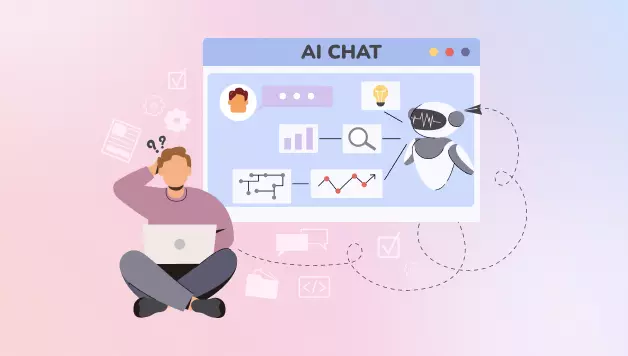
As we progress deeper into the digital age, the intersection of AI and creativity is no longer a futuristic ideal—it’s a present-day revolution. From enhanced design workflows to real-time AI text response capabilities, artificial intelligence is transforming creative industries in unexpected ways. The year 2025 marks a tipping point where generative AI doesn't just assist creatives—it collaborates with them.
The Evolution of AI and Creativity
A Decade of Transformation
In the early 2020s, creative professionals were skeptical of AI's influence. Could a machine understand artistic nuance? Today, that question has shifted from “if” to “how well.” The relationship between AI and creativity has matured. Tools powered by large language models, image generators, and audio synthesizers now empower artists, marketers, writers, and filmmakers to do more—faster.
AI-Powered Innovation in the Arts
From Adobe’s Firefly to OpenAI's DALL·E, AI-powered innovation is streamlining ideation. Musicians use AI to generate backing tracks, while screenwriters brainstorm plots with real-time machine collaboration. AI now acts as both a muse and a medium.
How AI Enhances Creative Expression
Personalization at Scale
AI allows brands and creatives to personalize content like never before. Whether generating hundreds of ad variations or custom artwork for niche audiences, AI tools analyze data and preferences to create content that resonates deeply.
Rapid Prototyping
Gone are the days of labor-intensive drafts. With AI, creators can quickly prototype ideas—visuals, copy, or music—before refining the final version. This speeds up development cycles and fosters bold experimentation.
Visual & Textual Symbiosis
Language generation models can create compelling narratives from short prompts, while generative art models convert those same stories into visuals. This dual capability supports seamless storytelling across platforms and formats.
The Future of Creativity: What’s Ahead?
The future of creativity lies in symbiotic collaboration between humans and machines. Here’s what we can expect:
- More intuitive generative AI tools that understand style, tone, and emotion
- AI-led editing platforms that suggest changes based on user behavior
- Real-time creative assistants that offer ideation support in meetings or live brainstorming sessions
By 2025, the creative process is increasingly guided by data, enhanced by algorithms, and driven by emotion—fusing logic and artistry in novel ways.
Real-World Applications of AI and Creativity
Marketing & Branding
Brands are using AI for campaign creation—from slogan generation to ad design. AI identifies what resonates with specific demographics and auto-generates variations to suit them.
Entertainment & Storytelling
Studios now incorporate AI in pre-production to map scripts, generate concept art, and simulate audience reactions. Writers use AI text response systems to refine dialogue or expand story arcs.
Education & Design
Design educators leverage AI to help students visualize abstract ideas quickly. AI also helps in architectural planning, fashion design, and game development by offering new angles of exploration.
Benefits of Generative AI Integration Services
The implementation of generative AI integration services enables businesses to embed creative AI tools directly into their workflows. This streamlines content production, increases output, and reduces time-to-market—especially critical for industries reliant on constant innovation.
Companies offering these services are now essential to digital transformation strategies. Whether in content creation, marketing, or UX design, integrated AI solutions redefine how organizations approach creativity.
Challenges and Ethical Considerations
Despite its advantages, the synergy between AI and creativity raises key questions:
- Who owns AI-generated content?
- How do we maintain human originality amid machine-enhanced ideas?
- What are the ethical boundaries of using AI in journalism, music, or art?
Responsible use, transparency, and human oversight are crucial to navigating these challenges.
Conclusion
The unexpected synergy between AI and creativity in 2025 is both profound and practical. No longer a mere tool, AI is a collaborator—fueling the future of creativity with unprecedented speed, scale, and insight. As we continue to explore this evolving landscape, the role of AI in driving meaningful, original content becomes undeniable.
The next wave of innovation will depend on how well creators leverage AI-powered innovation while maintaining their unique human touch. And as AI tools continue to evolve, they'll not just support creativity—they'll become part of its very essence.
Looking ahead, those who embrace the fusion of human intuition and artificial intelligence will define the creative benchmarks of tomorrow.