Full form of CIBIL and its Importance for Better Loan Eligibility Now.
CIBIL-when it comes to financial decisions with regards to the sanctioning of loans or credit cards, one finds this terminology being used. From a salaried employee to a self-employed professional, even a business owner, acquaintance with CIBIL and the implication of the same about your loan eligibility is of essence. This article further decodes what CIBIL stands for, its importance, and how to increase the CIBIL score for better financial health.
What is the CIBIL Full form?
Cibil Full Form stands for "Credit Information Bureau India Limited". It was incorporated in the year 2000 as the first credit information company in India. It would maintain records of details related to the credit-related information of individuals and businesses. It gets information from banks and other financial institutions, and in turn, they use that information to make Credit Information Reports and credit scores.
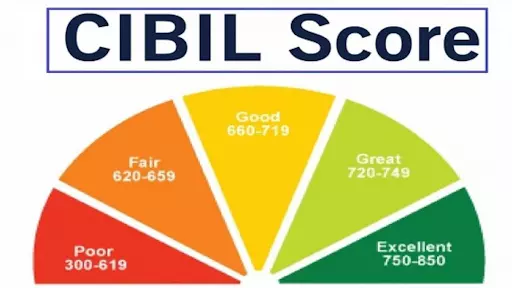
The CIBIL score signifies the creditworthiness of an individual, ranged between 300 to 900 graphically or numerically. A better score shows how good one is in maintaining credit behavior and considerably enhances the chances of getting loans or credit approved.
Why is CIBIL important regarding loan eligibility?
Apart from this, CIBIL also determines the eligibility criteria regarding loans for borrowers. Lenders, therefore make use of this score with concern to your creditworthiness before sanctioning any financial product for you-be it a personal loan, car loan, home loan, or credit card. Here are a few reasons why CIBIL is so important in loan eligibility:
1. Credit Health Indicator
Basically, your CIBIL score indicates your credit health and repayment behavior. In other words, your CIBIL score would be high if you have made repayments in time and dealt with credit responsibly. It gives assurance that as a customer, you are less of a risk for the lenders.
2. Impact on Loan Approval
The CIBIL score has, therefore, always been one of the big factors whenever a bank or any other financial institution sanctions a loan. Usually, a good CIBIL score lies above 750, ensuring the possibility of sanctioning of a loan, while a lesser score may lead to either rejection or higher interest rates.
3. Interest Rate Linked to the CIBIL Scorebook
A good CIBIL score may even entitle you to loans at competitive rates of interest. Whereas a high credit score carries less risk, hence borrowers receive favorable rates of interest. On the contrary, low scores may attract higher interest rates that only heighten financial burdens.
4. Eligibility for Credit Cards
If you were to apply for a credit card, then your CIBIL score too would come into the picture. Good credit standing will assure you a premium credit card with an excellent limit offering you a plethora of benefits.
How to Improve CIBIL Score to Increase Loan Eligibility
Your credit rating decides whether you get financial products. If the score is low at this moment, there are ways in which you can improve it over time. Here are some actionable tips to help you learn how to increase cibil score:
Read: Step-by-Step Guide to NBFC Registration in India
1. Pay Your Dues on Time
A good CIBIL score is all about the timely payment of credit card bills, EMIs, or loans. Never delay the deadlines and make full payments, not just the minimum amount payable. Lenders love borrowers who can repay steadily over time.
2. Credit Report Check
It may contain some mistakes or discrepancies in your credit report that are not necessary for your score. Obviously, check it regularly, and if there is any discrepancy found, report the same to CIBIL immediately to get it corrected.
3. Use credit responsibly.
Never spend the limit on your credit card. Credit utilization basically deals with how much credit has been utilized compared to the total amount of credit available, and that should be less than 30%. The lower the rate of utilization, the more responsible the behavior of the person regarding his credit and helps in enhancing his score.
4. Limit applications for credit.
Too many loan or credit card enquiries within a very short span of time chip away at your credit score. This is because every such enquiry triggers off a hard enquiry in the CIBIL report due to which the score goes down temporarily.
5. Maintain a good credit mix
In fact, a diversified portfolio of credit in the long run-a mix of secured loans such as home loans and unsecured loans like personal loans-will improve your CIBIL score since that would mean diversified and responsible usage of credit.
6. Closing of accounts that are unused
Take a list of all your current credit accounts and try closing any of those that are either old or inactive. Fewer credit accounts also make it easier to handle. Go easy on closing the older accounts, though, since those constitute credit history, which is what helps your score in a positive way.
7. Keep Long Credit Histories Active
Your credit history is among the major factors. You get a better score with longer histories of responsible use of credit. Keep the old accounts and continue using them responsibly.
Advantages of a good CIBIL score
A good CIBIL score means qualifying not only for loans but also enabling you to enjoy several benefits that include:
Higher loan approval rate: The high CIBIL score makes it easier to get through the loan application processes, hence reducing the chances of rejections.
Preferential Interest Rates: People with very good credit ratings can even negotiate interest rates, and thereby save a lot over an extended period of time.
Premium Credit Cards: A good score opens the door to premium cards that come with alluring limits and benefits.
Better bargaining position: A good score tends to improve your bargaining position vis-a-vis the lenders for better terms and conditions.
Conclusion
Decoding full form of CIBIL, that is, Credit Information Bureau (India) Limited, and the relevance thereof empowers an individual-primarily to take ownership of one's financial health. Your CIBIL score is somewhat much more beyond a number; rather, it speaks about you, your creditworthiness, and is an intrinsic part of your loan eligibility.
A few steps that you may take to enhance and keep your score high mean that you are always ready for any financial needs-be it funding your dream home, pursuing higher studies, or meeting day-to-day expenses. Finally, good credit behavior, timely repayments, and frequent checks on the credit report will work in your favor and enhance your CIBIL score.
Pay significance to these strategies and understand the relevance of your credit score, as it guarantees smoother loan approvals, lower interest rates, and the best credit card deals. Be proactive; let your score work for, instead of against you, in opening up the doors to financial success and stability.