
From Silence to Signal: How Learners Train Their Clinical Ear
Medical training demands an acute sense of hearing to decode the body's hidden rhythms, transforming novices into skilled diagnosticians through deliberate practice.
Aspiring clinicians often rely on reliable instruments like the dual head stethoscope to capture those initial whispers of life.
Early exposure to effective auscultation equips learners with the poise to interpret sounds accurately, connecting theory with practical application.
Such foundational experiences underscore the role of simple yet dependable emt school supplies in nurturing auditory skills from the outset.
As trainees progress, the choice of stethoscope influences their ability to build lasting confidence, preparing them for the complexities of EMS encounters.
Why Early Listening Tools Shape Confidence Long Before Fieldwork
Aspiring medical professionals often start their journey in quiet classrooms where the first sounds of heartbeats and breaths mark the transition from theory to practice.
Learning to recognize bodily sounds early builds the confidence needed to handle EMS scenarios with care. Tools like a resus monitor then help interpret patient data during EMS practice scenarios.
The selection of an appropriate stethoscope at this stage influences how comfortably students adapt to clinical listening demands.
MedTechKits: Frontline Support for EMTs
MedTechKits aims to strengthen emergency medical technicians by supplying key resources like durable medkit varieties and advanced listening tools, preparing them for EMS demands.
With a selection of dependable, budget-friendly products customized for emergency response needs, MedTechKits enables EMTs to cultivate skill and poise across training phases and actual crises.
This dedication to functional advancements links theoretical knowledge with practical application, bolstering the heroes who respond to emergencies around the clock.
The MedTech Dual Head Stethoscope
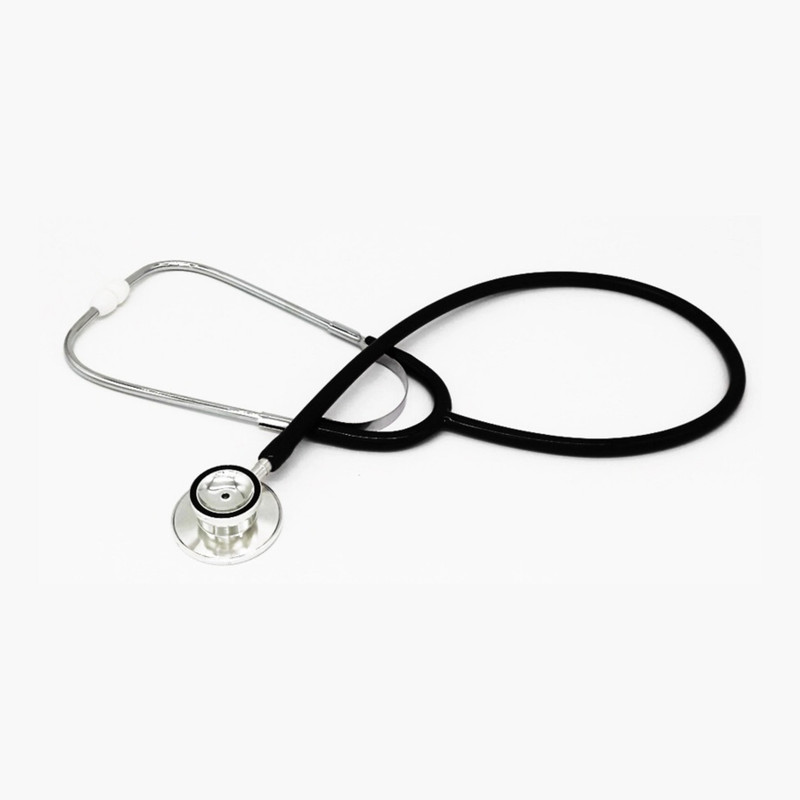
MedTechKits offers the dual head stethoscope that serves as an accessible entry point for those embarking on medical training, emphasizing essential functionality without unnecessary frills.
This stethoscope's approach prioritizes ease of use, enabling beginners to concentrate on honing their listening techniques.
It supports the development of fundamental auscultation skills through consistent performance in classroom settings.
Understanding Bell and Diaphragm Function in Practice
The dual head design of this stethoscope features a bell for capturing low-frequency sounds and a diaphragm for high-frequency ones.
In practice, the bell side excels at detecting subtle heart murmurs, while the diaphragm picks up clearer lung and bowel sounds.
Read: Medical Innovations Are Redefining Patient Convenience
Switching between the bell and diaphragm promotes an understanding of how sound frequencies relate to different physiological conditions.
What the Dual Head Stethoscope Prioritizes for Beginners
The dual head stethoscope construction focuses on a balanced weight distribution that minimizes fatigue during extended practice sessions.
Its simple build ensures durability for frequent use in educational contexts without compromising on core acoustic capabilities.
Beginners benefit from this emphasis on straightforward mechanics, which reduces the learning curve associated with equipment maintenance.
The Prestige Medical Clinical Lite Stethoscope
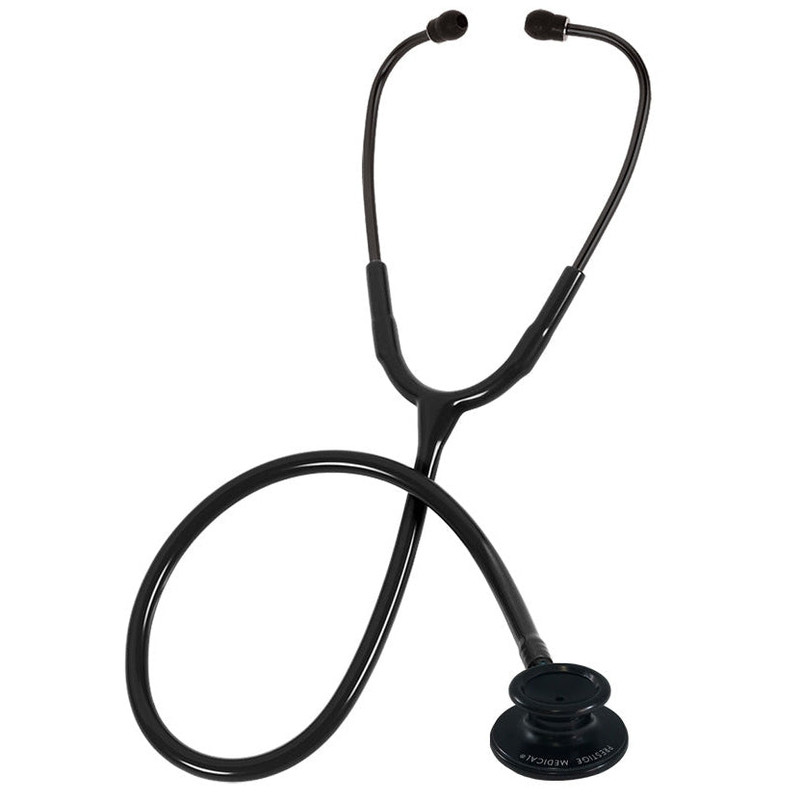
The prestige medical stethoscope from MedTechKits introduces enhanced comfort for learners advancing beyond basic training, providing clearer sound transmission for more nuanced assessments.
Its design addresses the demands of extended fieldwork by reducing physical strain on the user. Trainees transitioning to this model experience a noticeable improvement in auditory detail, facilitating deeper clinical insights.
Lightweight Engineering and Acoustics
The lightweight engineering of the prestige medical stethoscope incorporates materials that significantly reduce overall mass, making it ideal for all-day wear.
Advanced acoustics amplify both high and low frequencies, ensuring precise sound detection in diverse settings.
The acoustic enhancements stem from optimized chestpiece design, which minimizes distortion and maximizes signal strength. Easier handling due to reduced weight promotes better posture and less discomfort over time.
A Closer Look at the Clinical Lite Specifications
The prestige medical stethoscope utilizes anodized aluminum for the chestpiece, offering a balance of strength and lightness.
Its extra thick-walled PVC tubing resists kinks and provides superior sound insulation for accurate transmission.
Accessories such as soft eartips and a replacement diaphragm extend the tool's versatility and longevity in practical use.
High-quality brass binaurals contribute to the stethoscope's ergonomic fit, adapting well to various ear shapes. The non-chill bell ring adds patient comfort during examinations, enhancing the overall experience.
How Each Stethoscope Supports Different Training Stages
The dual head stethoscope excels in early stages by offering a gentle introduction to auscultation, with its basic dual head aiding initial sound differentiation.
In contrast, the prestige medical stethoscope provides superior clarity for intermediate learners, accelerating the mastery of complex acoustic patterns.
Beginners using the dual head model develop core competencies at a measured pace, while the prestige medical stethoscope's features challenge users to refine interpretations in dynamic scenarios.
Matching Listening Tools to Experience and Workload
Selecting between the dual head stethoscope and prestige medical stethoscope depends on the user's current proficiency, with the former suiting absolute beginners for simple and reliable performance.
For those with some experience, the prestige medical's enhanced acoustics and comfort better accommodate frequent, varied applications. This decision ensures the tool complements daily routines, fostering continuous improvement.
Skill level dictates the need for basic versus advanced features, optimizing the learning process. The right companion evolves with the user, enhancing clinical ear development at every stage.
Frequently Asked Questions
Q1. Which stethoscope should a new EMT trainee start with?
Beginners often start with a basic dual-head model for learning to distinguish low- and high-frequency sounds in quiet classroom settings, while stepping up to the prestige medical stethoscope offers better clarity and less fatigue for longer shifts.
Q2. How do the bell and diaphragm sides actually work in EMS situations?
The bell picks up lower-frequency sounds, while the diaphragm handles higher-frequency ones. Switching sides helps EMTs quickly adapt to different patient presentations without needing multiple tools.
Q3. What accessories come with these stethoscopes?
Things like soft eartips for better comfort, non-chill rings for patient comfort during exams, and replacement diaphragms extend usability.
Q4. What features of the prestige medical stethoscope enhance sound clarity?
It delivers clearer transmission of both high and low frequencies and reduces distortion in varied settings. This helps EMTs refine interpretations during emergency calls.
Complementary Tools for EMS Work
1. Seeing What Others Miss: MedTech Lighting Tools for EMTs
2. How an EMS Backpack Can Improve Organization and Readiness