From Sankri to Heaven: A Complete Har Ki Dun Trek Experience
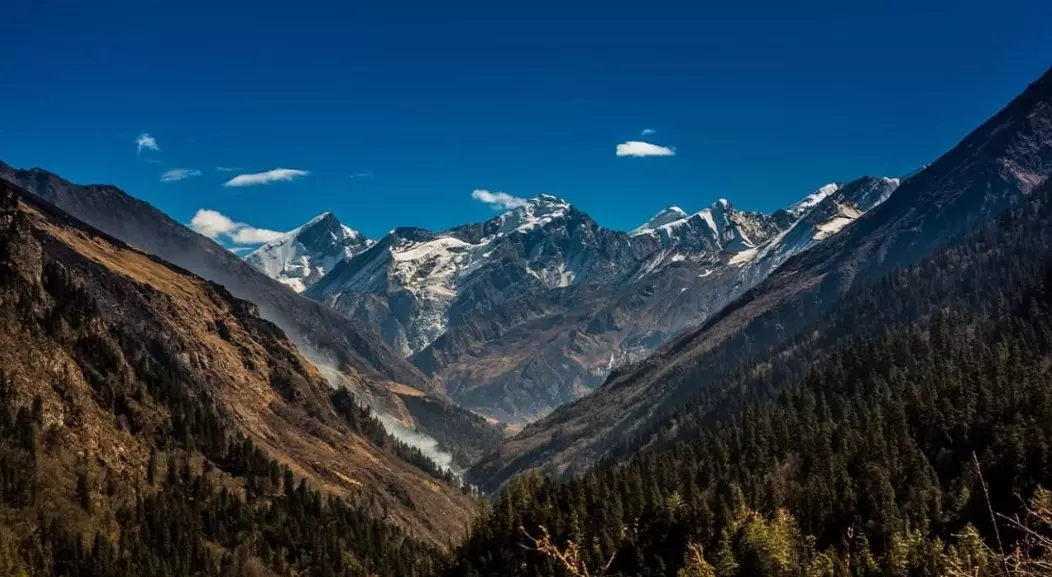
The Har Ki Dun trek, located deep in the Garhwal Himalayas of Uttarakhand, is a beautiful mix of natural beauty, local culture, and gentle adventure. Often called the “Valley of Gods,” this trek begins in the small village of Sankri and follows the Supin River Valley, surrounded by pine forests, mountain villages, and wide meadows that open up to views of snow-capped peaks.
It’s also a place full of stories and beliefs. Locals say the Pandavas from the Mahabharata took this same route on their final journey to heaven giving Har Ki Dun its spiritual name, meaning “Valley of God.”
Whether you’re a beginner or a seasoned trekker, this trail offers everything from peaceful paths to unforgettable mountain views.
Read: Gateway to the Peaks: 5 Beginner Pass Treks That Open
Trek Overview
- Location: Garhwal Himalayas, Uttarkashi district, Uttarakhand
- Starting Point: Sankri Village
- Total Distance: Around 34 km (one way)
- Duration: 6–7 days
- Altitude: Up to 11,600–11,700 ft
- Difficulty Level: Easy to Moderate
- Best Time: March-June and September-December
This Har ki dun trek is known for its balanced pace not too steep, not too easy making it ideal for nature lovers and first-time trekkers.
Getting to Sankri: The Gateway to Har Ki Dun
Your journey begins at Sankri, a small but lively village about 200 km from Dehradun. The drive to Sankri passes through Purola and Mori, offering scenic views of the Tons River and lush pine forests.
Sankri is the base camp for many famous treks like Kedarkantha and Bali Pass, but Har Ki Dun remains one of the most classic Himalayan routes. The village has cozy guesthouses and local dhabas that offer authentic pahadi food and a warm welcome.
Har Ki Dun Trek Itinerary
To make your journey smooth and well-organized, many trekkers prefer following the itinerary, which covers all the highlights while ensuring comfortable pacing and acclimatization. Here’s an overview based on their standard 6-day plan:
Day 1: Drive from Dehradun to Sankri (6,400 ft)
The adventure begins with a long but scenic drive from Dehradun to Sankri. The route passes through Mussoorie, Purola, and Mori showcasing stunning views of valleys and forests. Upon arrival, trekkers stay overnight in guesthouses arranged by Himalayan Dream Treks.
Day 2: Sankri to Taluka (Drive) and Trek to Osla / Seema (8,500 ft)
After breakfast, a short jeep ride takes you to Taluka, the starting point of your trek. The trail follows the Supin River, crossing wooden bridges and dense forests before reaching Osla or Seema, two charming villages known for their traditional wooden homes. Overnight stay in tents or a local homestay.
Day 3: Osla / Seema to Har Ki Dun Valley (11,600 ft)
This day involves a steady ascent through meadows and streams. As you climb higher, the Swargarohini peaks start appearing in the distance a truly magical sight. By afternoon, you’ll reach Har Ki Dun Base Camp, surrounded by towering snow peaks and open valleys.
Day 4: Explore Har Ki Dun Valley Optional Hike to Maninda Tal
Spend a relaxing day exploring the valley. You can hike to Maninda Tal, a serene high-altitude lake, or just enjoy the natural beauty around the base camp. The Himalayan Dream Treks team usually arranges guided walks and photography sessions here.
Day 5: Har Ki Dun to Seema / Osla (Descent)
The return journey begins with a gentle downhill walk back to Seema or Osla. The views remain breathtaking as you retrace your steps through forests and riversides.
Day 6: Osla to Taluka, Drive Back to Sankri
After breakfast, descend to Taluka and take the drive back to Sankri. The trek officially ends here, with trekkers often celebrating their successful journey before heading home the next day.
The Beauty of the Har Ki Dun Valley
The Har Ki Dun Valley offers a mix of everything the Himalayas are known for rivers, forests, meadows, and snowy peaks. Each season paints the valley in different colors:
- In spring, rhododendrons and wildflowers cover the trails.
- In summer, clear skies offer the best mountain views.
- In autumn, the forests turn golden and orange.
- In winter, snow blankets everything, turning it into a white paradise.
The area also falls under Govind National Park, home to rare wildlife like Himalayan black bears, musk deer, langurs, and many colorful birds.
The Culture: Villages of Osla and Seema
The human connection along the Har Ki Dun trail is just as special as the scenery. Villages like Osla and Seema are centuries old and still maintain their traditional way of life.
You’ll find beautifully carved wooden temples and homes built in the traditional Kath-Kuni style. Locals are friendly and often share stories about the mountains, their gods, and legends from the Mahabharata. Their warmth and hospitality make the trek feel even more rewarding.
Why Choose Har Ki Dun with Himalayan Dream Treks
- Expert Guidance: Their experienced trek leaders ensure safety and comfort for all participants.
- Balanced Itinerary: Well-paced days with time for rest, acclimatization, and exploration.
- Eco-Friendly Practices: Focus on minimizing plastic use and respecting the environment.
- Cultural Insight: Local guides from Sankri and Osla bring the valley’s traditions to life.
Best Time to Visit
The Har Ki Dun trek can be done for most of the year, except during the monsoon months (July–August).
- March–June: Best for greenery, flowers, and moderate temperatures.
- September–November: Clear skies and golden forests great for photography.
- December–February: Ideal for those who want a snow trek experience.
Tips for a Safe and Enjoyable Trek
- Prepare your body with regular walks and light workouts before the trek.
- Carry enough warm layers, a rain jacket, and good quality trekking shoes.
- Stay hydrated and avoid littering always respect the natural surroundings.
- Follow your guide’s instructions, especially in high-altitude areas.
Read: Best Trekking Destination in the Indian Himalayas
Conclusion: A Walk from Earth to Heaven
The Har Ki Dun trek is more than just a trail it’s a complete Himalayan experience. From the charming village of Sankri to the heavenly views at Har Ki Dun valley, every step reveals something beautiful be it the landscape, the people, or the peaceful silence of the mountains.
With the well-planned itinerary, your journey becomes smoother, safer, and more enjoyable. If you’re looking for a trek that combines nature, culture, and a touch of mythology, Har Ki Dun truly lives up to its name a journey that feels like walking from earth to heaven.