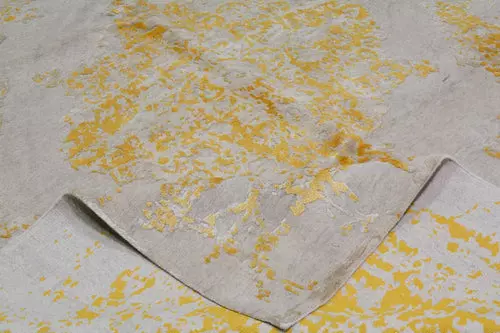
From Loom to Living Room: The Life of a Handmade Rug
The journey of authentic rugs is nothing short of extraordinary. What begins as raw, natural fibers in remote regions of the world eventually transforms into a timeless piece of art that enhances homes across the globe.
Every handmade rug carries a story—of tradition, craftsmanship, patience, and cultural heritage. Understanding this journey not only deepens appreciation but also highlights why authentic rugs are so valuable and unique.
The Beginning: Sourcing the Finest Materials
The life of authentic rugs starts with the careful selection of raw materials. Artisans prioritize quality above all else, choosing fibers that ensure durability, comfort, and longevity.
The most commonly used materials include:
- Wool – Known for its softness, resilience, and natural stain resistance
- Silk – Valued for its luxurious sheen and intricate detailing
- Cotton – Often used as a foundation for strength and structure
In many traditional weaving communities, wool is hand-sheared from sheep and processed locally. This ensures not only quality control but also a deep connection between the artisans and their craft.
The use of natural fibers is one of the defining characteristics of authentic rugs, setting them apart from synthetic, machine-made alternatives.
The Art of Dyeing: Bringing Colors to Life
Once the materials are prepared, the next step in creating authentic rugs is dyeing. This stage plays a crucial role in defining the rug’s overall appearance and character.
Traditional artisans often rely on natural dyes extracted from plants, minerals, and even insects. For example:
- Indigo plants create deep blues
- Madder root produces rich reds
- Pomegranate skins yield warm yellows and golds
These natural dyes are not only environmentally friendly but also age beautifully over time. Instead of fading unevenly, the colors in authentic rugs develop a soft patina, enhancing their charm and authenticity.
The dyeing process requires precision and experience, as achieving consistent shades is a skill perfected over generations.
The Heart of the Process: Weaving
Weaving is where the true magic happens. This is the most time-intensive stage in the creation of authentic rugs, often taking weeks, months, or even years, depending on the size and complexity of the design.
There are two primary techniques used:
- Hand-knotting – Each knot is tied individually, resulting in highly detailed and durable rugs
- Flat weaving – A quicker method used for lighter rugs like kilims
Artisans work on traditional looms, carefully following patterns that are either memorized or passed down through generations. In many cases, no written design exists—the entire process is guided by skill and experience.
What makes authentic rugs truly special is the human touch involved in every step. Slight variations in pattern or color are not imperfections; they are signatures of authenticity, proving that the rug was crafted by hand rather than machine.
Finishing Touches: Refining the Masterpiece
After the weaving is complete, authentic rugs go through several finishing processes to enhance their appearance and durability.
These steps typically include:
- Washing – Removes excess dye and softens the fibers
- Trimming – Ensures an even surface and highlights the design
- Stretching and drying – Maintains the rug’s shape and structure
This stage requires as much care as the weaving itself. Proper finishing ensures that the rug not only looks beautiful but also stands the test of time.
A Labor of Love and Dedication
Every authentic rug is a testament to the dedication and craftsmanship of the artisan who created it. Unlike mass-produced rugs, which can be made in hours, authentic rugs demand patience, precision, and years of expertise.
For many artisans, rug weaving is more than a profession—it is a way of life. Skills are passed down through generations, preserving cultural traditions and sustaining communities.
When you invest in authentic rugs, you are not just buying a product—you are supporting these artisans and helping keep their heritage alive.
The Global Journey: From Villages to Homes
Once completed, authentic rugs begin their journey from remote villages and weaving centers to homes around the world. This transition from loom to living room is what makes these rugs truly special.
Despite traveling across continents, each rug retains its cultural identity and story. Whether placed in a modern apartment or a traditional home, authentic rugs bring warmth, character, and history into any space.
Their versatility allows them to blend seamlessly with different interior styles, from minimalist to eclectic.
Why Authentic Rugs Are Worth It
In today’s fast-paced world of mass production, authentic rugs offer something rare—genuine craftsmanship and individuality.
Here’s why they stand out:
- Durability – Handmade rugs can last for decades, even generations
- Sustainability – Natural materials and dyes make them eco-friendly
- Uniqueness – No two rugs are exactly alike
- Cultural value – Each rug carries a story and tradition
These qualities make authentic rugs not just decorative items but meaningful investments.
Read: Essentials Hoodie: A Contemporary Staple in Advanced
Bringing the Story Home
When you place an authentic rug in your home, you are adding more than just texture and color. You are introducing a piece of global heritage that reflects artistry, culture, and human connection.
Every time you walk across it, you are experiencing the result of months—or even years—of skilled craftsmanship.
Conclusion
The journey of authentic rugs—from sourcing raw materials to becoming a centerpiece in your home—is a remarkable story of tradition, artistry, and dedication. Each rug is a living testament to the hands that created it and the culture it represents.
In a world filled with mass-produced goods, authentic rugs stand apart as timeless treasures—woven with care, rich in history, and designed to be cherished for generations.