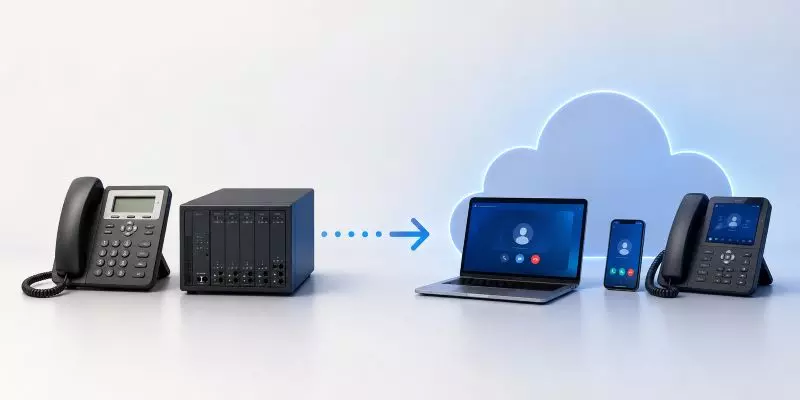
From Landlines to Cloud: A Step-By-Step Roadmap for Upgrading Your Business Phone System
For many businesses, the phone system is still the first point of contact with customers. Every unanswered call, dropped conversation, or outdated feature can affect sales, customer satisfaction, and employee productivity.
While traditional landline systems served companies well for decades, today's fast-moving business environment requires communication tools that are more flexible, scalable, and easier to manage.
Organizations across West Texas are modernizing their communications to support hybrid work, improve customer service, and reduce long-term operating costs. Working with experienced Business Phone System Providers in Odessa TX allows businesses to transition from aging hardware to modern cloud-based solutions without unnecessary downtime or disruption.
Hays Communications has helped businesses implement dependable communication systems that match their operational needs, growth plans, and technology goals. Whether replacing an outdated PBX or planning for future expansion, having a structured migration strategy makes the transition significantly smoother.
Why Businesses Are Moving Beyond Traditional Landlines
Traditional business phone systems were designed for a different era. They rely heavily on on-site equipment, dedicated phone lines, and costly maintenance. While they remain functional, they often lack the flexibility required by today's businesses.
Cloud-based business phone systems offer several practical advantages:
- Remote and hybrid work support
- Lower hardware requirements
- Easier scalability
- Integrated voicemail and email
- Mobile device compatibility
- Better disaster recovery
- Simplified system management
- Advanced reporting and analytics
Instead of maintaining aging phone hardware, companies can focus on serving customers while their communication platform stays current through ongoing software updates.
Understanding the Difference Between Landline and Cloud Phone Systems
Before planning an upgrade, it helps to understand how these systems differ.
Traditional Landline Systems
Conventional systems typically use:
- Copper telephone lines
- On-premise PBX equipment
- Physical desk phones
- Manual upgrades
- Higher maintenance costs
Adding new employees or locations often requires additional hardware and installation work.
Cloud Phone Systems
Cloud communications operate using internet connectivity instead of traditional telephone infrastructure.
Benefits include:
- Virtual phone numbers
- Auto attendants
- Call routing
- Video meetings
- Mobile applications
- Call recording
- CRM integration
- Real-time administration
Many businesses discover that cloud platforms provide enterprise-level capabilities previously available only to much larger organizations.
Step 1: Evaluate Your Existing Phone System
The first step toward modernization is understanding what currently works—and what doesn't.
Ask questions such as:
- Are calls frequently dropped?
- Is adding new users difficult?
- Can employees work remotely?
- Are customers waiting too long on hold?
- Is voicemail difficult to access?
- Does the system integrate with business software?
A complete communication assessment identifies limitations before selecting new technology.
Inventory Existing Equipment
Document every communication asset, including:
- Desk phones
- PBX equipment
- Conference phones
- Fax lines
- Internet connections
- Cabling
- Extension lists
Knowing what currently exists simplifies migration planning.
Step 2: Define Business Communication Goals
Technology upgrades should solve business problems rather than simply replace equipment.
Common objectives include:
Improve Customer Experience
Modern phone systems reduce wait times through:
- Intelligent call routing
- Auto attendants
- Ring groups
- Call queues
- Voicemail-to-email
Customers reach the right department faster, improving satisfaction.
Support Business Growth
Growing organizations need communication systems that can easily expand.
Cloud platforms make it simple to:
- Add employees
- Open new offices
- Support remote workers
- Create temporary extensions
- Manage seasonal staffing
This scalability eliminates costly hardware upgrades.
Increase Employee Productivity
Modern communication tools allow employees to answer calls from:
- Office phones
- Laptops
- Smartphones
- Tablets
Staff remain connected regardless of location.
Step 3: Evaluate Your Network Infrastructure
Cloud communications depend on stable internet performance.
Before migration, businesses should assess:
Internet Bandwidth
Voice traffic requires reliable bandwidth with minimal latency.
Consider:
- Number of simultaneous calls
- Existing internet usage
- Video conferencing needs
- File transfer volume
- Remote employee connections
Network improvements may be necessary before deployment.
Network Security
Voice traffic should remain secure.
Best practices include:
- Business-grade firewalls
- Secure Wi-Fi
- VLAN configuration
- Quality of Service (QoS)
- Encrypted voice traffic
These measures improve both performance and security.
Step 4: Choose the Right Cloud Features
Every business has unique communication needs.
Selecting features based on daily workflows delivers greater long-term value.
Essential Features
Most businesses benefit from:
- Auto attendants
- Call forwarding
- Voicemail-to-email
- Mobile apps
- Conference calling
- Caller ID
- Call transfer
- Ring groups
Advanced Features
Many organizations also implement:
- Call analytics
- CRM integration
- Call recording
- AI-powered voicemail transcription
- Interactive voice response (IVR)
- SMS messaging
- Video conferencing
- Presence indicators
These innovative capabilities help improve responsiveness and internal collaboration.
Step 5: Select an Experienced Installation Partner
Technology alone does not guarantee success.
A well-experienced communications provider offers:
- Site assessments
- System design
- Installation
- Configuration
- User training
- Ongoing technical support
Hays Communications works closely with businesses to recommend communication solutions based on actual operational needs rather than unnecessary features.
Local expertise also allows faster response when support is required.
Step 6: Create a Migration Plan
Phone system upgrades should minimize business interruptions.
A detailed implementation plan often includes:
Number Porting
Existing business phone numbers should transfer successfully to the new system.
Planning ahead helps avoid delays.
Installation Timeline
Schedule deployment during:
- Evenings
- Weekends
- Holidays
- Lower business activity periods
This reduces operational disruption.
Employee Communication
Employees should know:
- Training schedules
- New login procedures
- Mobile application setup
- Updated call handling processes
Preparation improves adoption.
Step 7: Test Before Full Deployment
Testing reduces surprises after launch.
Verify:
- Incoming calls
- Outgoing calls
- Extension dialing
- Voicemail
- Call transfers
- Mobile applications
- Conference calling
- Emergency dialing
- Internet performance
A phased rollout often provides smoother implementation than switching every user simultaneously.
Step 8: Train Employees
Even the best technology delivers limited value if employees don't understand how to use it.
Training should cover:
Daily Functions
Employees should practice:
- Answering calls
- Parking calls
- Transferring calls
- Accessing voicemail
- Managing call forwarding
- Using mobile applications
Advanced Tools
Managers may also learn:
- Call reporting
- Queue management
- Auto attendant updates
- User administration
Ongoing training helps businesses maximize return on investment.
Read: Business Phone System UAE: Best Cloud Communication
Step 9: Monitor Performance After Installation
Migration is only the beginning.
Business leaders should regularly review:
- Missed calls
- Average wait times
- Call abandonment
- Customer satisfaction
- Call quality
- Employee adoption
Cloud platforms often include detailed reporting dashboards that make continuous improvement much easier.
Real-World Example
Consider a growing regional construction company with approximately 45 employees spread across multiple job sites.
Their traditional PBX system required office staff to manually transfer nearly every incoming call. Project managers frequently missed customer calls while away from the office, resulting in delayed responses and lost opportunities.
After upgrading to a cloud communication platform, employees began using mobile applications linked directly to their business extensions. Automatic call routing sent customers to the correct department immediately, while voicemail messages were delivered directly to email.
Within several months, the company experienced:
- Faster customer response times
- Reduced missed calls
- Improved communication between office staff and field personnel
- Simplified onboarding for new employees
- Lower maintenance costs
Although every organization is different, this example demonstrates how communication modernization can improve both customer service and operational efficiency.
Common Mistakes to Avoid During an Upgrade
Businesses often encounter avoidable challenges during phone system transitions.
These include:
Choosing Price Over Value
An affordable solution should still provide reliable service, responsive support, and room for future growth
Ignoring Internet Readiness
Poor network performance leads to poor call quality regardless of phone system quality.
Skipping Employee Training
Technology adoption depends heavily on user confidence.
Overlooking Future Growth
Selecting a scalable platform avoids another costly replacement in just a few years.
Delaying Security Planning
Communication systems should be protected against cyber threats through proper configuration and ongoing monitoring.
Why Local Expertise Matters
Businesses in Odessa often benefit from working with local communication specialists who understand regional industries, infrastructure, and service expectations.
Instead of relying solely on remote support, local providers can assist with:
- On-site consultations
- Installation
- Troubleshooting
- Expansion planning
- System optimization
Working with trusted Business Phone System Providers in Odessa TX gives organizations greater confidence throughout the upgrade process.
How Hays Communications Helps Businesses Modernize
Modern communication systems require more than installing new phones.
Hays Communications works with organizations to evaluate current systems, recommend appropriate technologies, coordinate implementation, train employees, and provide ongoing support after deployment.
Their approach focuses on dependable communication infrastructure that supports productivity, customer satisfaction, and future business growth. Whether a company has ten employees or several hundred, selecting the right phone solution today creates a stronger foundation for tomorrow.
Final Thoughts
Moving from a traditional landline system to a cloud-based business phone platform is one of the most practical technology investments a growing organization can make.
Beyond replacing outdated hardware, it creates opportunities for improved customer service, greater workforce flexibility, simplified administration, and long-term cost efficiency.
By following a structured migration roadmap—from evaluating current systems and preparing network infrastructure to training employees and monitoring performance—businesses can complete the transition with confidence.
Partnering with experienced Business Phone System Providers in Odessa TX such as Hays Communications helps ensure the process is carefully planned, professionally implemented, and positioned for long-term success.