From Consultation to Recovery – Hair Transplant in Islamabad Explained
Hair loss can be distressing, impacting both appearance and confidence. Thankfully, modern advancements in hair restoration now provide long-lasting, natural-looking results. If you’re considering a hair transplant in Islamabad, understanding the entire process—from the initial consultation to full recovery—can help you make informed and confident decisions.
This comprehensive guide walks you through the full journey, explaining each stage of the hair transplant process. Whether you’re looking into FUE (Follicular Unit Extraction) or FUT (Follicular Unit Transplantation), this step-by-step explanation can help you prepare and choose the best clinic or surgeon in Islamabad.
Step 1: The Initial Consultation – Understanding Your Hair Loss
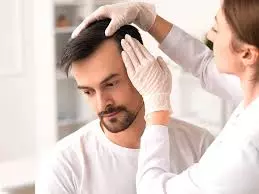
Your hair transplant journey begins with a detailed consultation with a qualified specialist. This step is crucial to ensure the right approach is taken based on your unique condition.
What Happens During the Consultation:
- Scalp and hair analysis to determine the extent of hair loss
- Review of medical history, medications, and lifestyle factors
- Discussion of treatment options – FUE, FUT, or a combination
- Presentation of before-and-after photos from previous patients
- Evaluation of your donor area (usually the back or sides of the scalp)
- Explanation of realistic expectations and possible outcomes
Many top clinics in Islamabad use digital imaging tools to simulate expected results, helping you visualize your potential transformation.
Step 2: Pre-Procedure Preparation – Getting Ready for Surgery
Once you decide to proceed, your doctor will guide you on how to prepare for the transplant. These instructions are designed to ensure optimal results and reduce risks during and after surgery.
Key Pre-Op Guidelines:
- Avoid smoking and alcohol for at least a week before the procedure
- Stop taking blood thinners or anti-inflammatory medications (if advised)
- Wash your hair with a recommended antibacterial shampoo
- Avoid hair products like gels, sprays, or oils on the day of the surgery
- Arrange for a day off work and someone to drive you home post-procedure
Your surgeon may also order blood tests or a basic health check, especially if sedation will be used during surgery.
Step 3: The Hair Transplant Procedure – What to Expect on the Day
Hair transplant surgeries are generally outpatient procedures, meaning you can go home the same day. The duration can range from 4 to 8 hours, depending on the number of grafts being transplanted.
Common Techniques Used in Islamabad:
FUE (Follicular Unit Extraction):
- Individual hair follicles are extracted from the donor area
- Tiny incisions are made to implant the follicles in the recipient area
- Leaves no linear scar and has a quicker healing time
FUT (Follicular Unit Transplantation):
- A strip of scalp is removed from the donor area
- Hair follicles are dissected and transplanted into bald areas
- Suitable for patients needing a larger number of grafts
During the Surgery:
- The scalp is cleaned and numbed with local anesthesia
- You’ll be awake but relaxed throughout the procedure
- The surgical team works in precise zones to ensure natural hairline design
- Once completed, your scalp may be bandaged or left open with topical medication
Clinics in Islamabad often use microscopic precision tools for minimal scarring and accurate graft placement.
Step 4: Immediate Aftercare – The First 48 Hours
The first few days after surgery are critical for graft survival and comfort. You’ll receive detailed instructions from your doctor for immediate post-operative care.
What to Expect:
- Mild swelling or discomfort around the forehead and scalp
- Scabs may form around newly implanted grafts
- Your doctor may prescribe painkillers or antibiotics
- You’ll be advised to sleep with your head elevated
- Avoid touching or scratching the scalp
You should also stay indoors, avoid dust, and protect your scalp from sunlight. Follow-up appointments are usually scheduled within the first week.
Step 5: The Recovery Timeline – What Happens Over the Next Few Months
Recovery is gradual, and patience is essential. Many people are concerned when they see the transplanted hair fall out after a few weeks—this is completely normal and expected.
Hair Transplant Recovery Timeline:
- Week 1–2: Scabs fall off, and redness subsides
- Week 3–4: Transplanted hair sheds (called “shock loss” phase)
- Months 2–3: Minimal visible growth, but hair roots begin to develop
- Months 4–6: Noticeable new hair starts to grow
- Months 8–12: Thicker, denser hair fills in the transplanted areas
- By Month 12: Full results are typically visible, though some people continue to see improvement into the 18-month mark
Throughout this period, clinics in Islamabad provide follow-up support, and some also offer PRP therapy or supplements to enhance growth.
Choosing the Right Clinic in Islamabad
Islamabad offers a wide range of hair transplant clinics—from luxury setups with international standards to more budget-conscious yet highly effective options. Whichever you choose, ensure the following:
Key Factors to Consider:
- Board-certified surgeon with experience in hair restoration
- A clinic with modern equipment and hygienic facilities
- Transparent pricing and treatment plans
- A portfolio of real patient reviews and results
Avoid clinics offering unrealistic promises or steep discounts with no medical backing. A quality transplant is an investment—cutting corners can lead to unsatisfactory results or even permanent scarring.
Final Thoughts – Your New Hair, Your New Confidence
Getting a hair transplant in Islamabad can be a life-changing experience, restoring not just your hair but also your confidence and self-esteem. By understanding the full process—from consultation to recovery—you empower yourself to make educated choices and get the most out of your investment.
Islamabad’s best clinics offer advanced techniques, highly trained professionals, and compassionate care to ensure that your hair restoration journey is successful from start to finish.
Start your journey today—because a fuller head of hair could be just a consultation away.