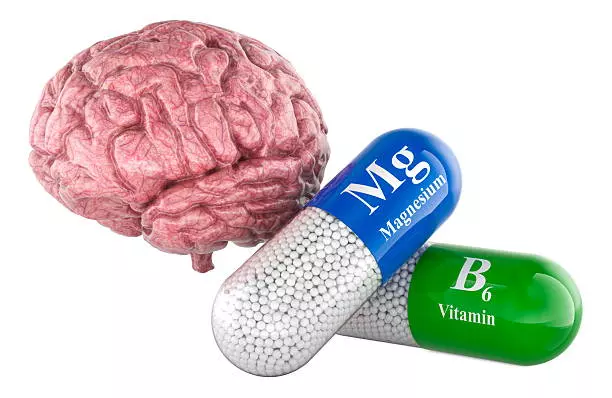
From Brain Boosters to Daily Wellness: The Changing Landscape of Nootropic Supplements
Nootropic supplements, often referred to as “brain boosters,” have evolved from niche cognitive enhancers into a broader category associated with mental wellness and lifestyle optimization.
Initially popular among students and professionals seeking improved focus, these supplements are now increasingly integrated into daily routines aimed at supporting memory, mood, and overall cognitive resilience.
This shift reflects a wider industry movement toward preventive health and functional nutrition.
The growing awareness of mental well-being, coupled with changing work environments and digital lifestyles, has contributed to the expansion of nootropic usage.
Rather than being limited to performance-driven consumption, nootropics are now being explored for long-term brain health support, aligning with global health conversations around cognitive decline and mental fatigue.
Ingredient Innovation and Functional Formulations in Cognitive Support
Advancements in ingredient research have significantly shaped the market landscape of nootropic supplements. Natural compounds such as adaptogens, amino acids, vitamins, and herbal extracts are being studied for their potential role in supporting brain function.
Ingredients like Bacopa monnieri, Ginkgo biloba, and L-theanine are commonly associated with memory and stress regulation.
As per insights published by MarkNtel Advisors, formulation strategies are increasingly focusing on synergistic blends rather than single-ingredient products.
This approach aims to address multiple cognitive functions simultaneously, including focus, clarity, and mood balance. The integration of such formulations reflects ongoing trends in personalized nutrition and targeted supplementation.
Applications Across Lifestyle Segments and Cognitive Needs
The application of nootropic supplements is no longer confined to academic or professional performance.
Their use has expanded across diverse lifestyle segments, including fitness enthusiasts, older adults, and individuals seeking mental clarity in high-stress environments. This diversification highlights the adaptability of nootropics within different applications and consumer needs.
For instance, in the wellness sector, nootropics are being incorporated into functional beverages and dietary regimens aimed at supporting holistic health. In parallel, the aging population is exploring these supplements as part of strategies to maintain cognitive function.
Such developments indicate a broader integration of nootropics within the health and nutrition sector, moving beyond short-term enhancement toward sustained well-being.
Regulatory Perspectives and Safety Considerations in Supplement Use
The regulatory landscape surrounding nootropic supplements varies across regions, influencing product development and consumer access.
Authorities such as the U.S. Food and Drug Administration (FDA) and the European Food Safety Authority (EFSA) provide guidelines on dietary supplements, including labeling, safety, and permissible ingredients.
These frameworks aim to ensure that products meet established safety standards while maintaining transparency for consumers.
According to the U.S. Food and Drug Administration (FDA), dietary supplements must not claim to diagnose, treat, or cure diseases, which shapes how nootropic products are positioned in the market.
Similarly, the European Food Safety Authority (EFSA) evaluates health claims associated with ingredients to ensure scientific validity. These regulatory measures play a critical role in maintaining product credibility and consumer trust.
Additionally, the National Institutes of Health (NIH) emphasizes the importance of evidence-based usage of supplements, highlighting the need for continued research into long-term effects and interactions.
Such perspectives underscore the balance between innovation and safety in the evolving nootropics industry.
Technological Advancements and Emerging Delivery Formats
Technological innovation is influencing how nootropic supplements are formulated and delivered. Traditional capsules and tablets are being complemented by newer formats such as powders, gummies, and ready-to-drink beverages.
These formats cater to consumer preferences for convenience and palatability, reflecting ongoing trends in product design.
Encapsulation technologies and bioavailability enhancement methods are also being explored to improve the effectiveness of active ingredients. For example, liposomal delivery systems and nano-encapsulation techniques aim to enhance nutrient absorption and stability.
Such technologies are indicative of a broader shift toward optimizing supplement performance through scientific advancements.
Research supported by organizations like the World Health Organization (WHO) highlights the growing importance of nutrition in cognitive health, reinforcing the relevance of innovation in supplement delivery systems.
As consumer expectations evolve, technological integration is likely to remain a key driver in shaping product development.
Read: Titansarms vs RCDbio: Which SARMs Supplier Truly
Consumer Awareness and the Role of Evidence-Based Choices
As the nootropics market expands, consumer awareness around ingredient transparency and scientific validation is becoming increasingly important.
Individuals are showing greater interest in understanding the source, composition, and efficacy of the supplements they consume. This shift is encouraging manufacturers to adopt clearer labeling practices and invest in clinical research.
Educational initiatives by institutions such as the Centers for Disease Control and Prevention (CDC) emphasize the importance of informed health decisions, including the use of dietary supplements.
Consumers are also turning to peer-reviewed studies and expert recommendations to guide their choices, reflecting a move toward evidence-based consumption patterns.
This growing awareness is shaping purchasing behavior, with a preference for products that demonstrate credibility and align with established health guidelines.
As a result, transparency and scientific backing are becoming essential components of the nootropics industry.
Evolving Trends Shaping the Future of Cognitive Wellness
The future trajectory of nootropic supplements is closely linked to broader developments in health, nutrition, and lifestyle management.
Emerging trends such as personalized supplementation, digital health integration, and preventive care are expected to influence how these products are developed and consumed.
The integration of data-driven insights, including genetic and lifestyle information, may enable more tailored approaches to cognitive support.
At the same time, the convergence of nootropics with other wellness categories, such as functional foods and mental health solutions, points toward a more holistic understanding of brain health.
Insights from global health organizations, including the World Health Organization (WHO), continue to highlight the importance of addressing cognitive health as part of overall well-being.
This perspective reinforces the role of nootropics within a larger framework of preventive and supportive health strategies.