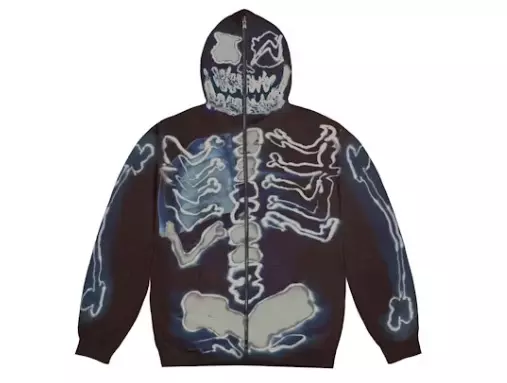
Fragment Clothing: Must-Know Facts About the Fragment Clothing Brand
Fragment Clothing (Fragment Design) is one of the most influential names in modern streetwear. Founded by Hiroshi Fujiwara, the brand is known for its minimalist aesthetic, high-profile collaborations, and strong cultural impact.
Unlike traditional fashion labels, Fragment Clothingbrand doesn’t rely on mass production or loud marketing. Instead, it builds its identity through exclusivity, creativity, and cultural relevance. Here are the most important facts you should know about the brand.
1. Founded by a Streetwear Pioneer
Fragment Clothing was created by Hiroshi Fujiwara, who is widely considered one of the founding figures of modern streetwear culture.
- Influenced global street fashion
- Connected music, art, and design
- Helped shape Japan’s streetwear identity
Fact: The brand’s success is strongly tied to Fujiwara’s cultural influence.
2. It Is Not a Traditional Fashion Brand
Fragment Clothing is different from typical clothing companies.
- Works as a design platform
- Focuses on collaborations
- Produces limited collections
Fact: Fragment operates more like a creative studio than a fashion label.
3. Minimalism Is Its Core Identity
Fragment Clothing is known for its clean, simple design approach:
- Neutral colors (black, white, grey)
- Subtle logos
- Minimal graphics
Fact: The brand proves that simple design can be powerful and iconic.
4. The Lightning Bolt Logo Is Iconic
The double lightning bolt symbol is one of the most recognizable logos in streetwear.
- Represents exclusivity
- Symbol of authenticity
- Used subtly on products
Fact: A small logo can still create a strong global identity.
5. Collaboration Is the Brand’s Strength
Fragment Clothing is famous for collaborations with major brands like:
- Nike
- Louis Vuitton
- Moncler
- Converse
Fact: Collaborations are the main driver of Fragment’s global popularity.
6. Limited Releases Create High Demand
Fragment Clothing follows a scarcity-based strategy:
- Small product drops
- Fast sell-outs
- High resale value
Fact: Limited availability increases desirability and hype.
7. Strong Influence in Sneaker Culture
Fragment has a major presence in sneaker collaborations, especially with Nike.
- Limited-edition designs
- Clean, minimal aesthetics
- High collector demand
Fact: Fragment sneakers are often considered collector’s items.
8. It Bridges Streetwear and Luxury Fashion
Fragment Clothing has helped merge two worlds:
- Casual streetwear.
- High-end luxury fashion
Fact: The brand helped streetwear gain acceptance in luxury fashion houses.
9. Focus on Quality Over Quantity
Fragment Clothing prioritizes craftsmanship over mass production.
- Premium materials
- Durable construction
- Long-lasting designs
Fact: Each product is designed to be timeless, not seasonal.
10. It Has a Global Fanbase
Fragment Clothing is popular worldwide:
- Asia
- Europe
- United States
Fact: The brand’s influence is truly global, not regional.
11. It Influences More Than Just Fashion
Fragment Clothing extends into:
- Music culture
- Art collaborations
- Lifestyle products
Fact: It is a cultural brand, not just a clothing label.
12. Timeless Design Philosophy
Fragment Clothing avoids fast-changing trends:
- Classic silhouettes
- Simple color palettes
- Versatile outfits
Fact: The brand is built for long-term style relevance.
Key Takeaways
Fact
Importance
Founded by Hiroshi Fujiwara
Strong cultural foundation
Minimalist design
Timeless fashion identity
Collaboration model
Global recognition
Limited releases
High demand and exclusivity
Sneaker influence
Strong market impact
Luxury connection
Elevated streetwear status
Conclusion
Fragment Clothing stands out because it is not just a fashion brand—it is a cultural force that reshaped modern streetwear.
Final Thoughts
By combining minimalism, exclusivity, and collaboration, Fragment Clothing has created a unique identity that continues to influence fashion worldwide.
It proves that true success in fashion comes from authenticity, consistency, and creative vision, not just trends or mass production.