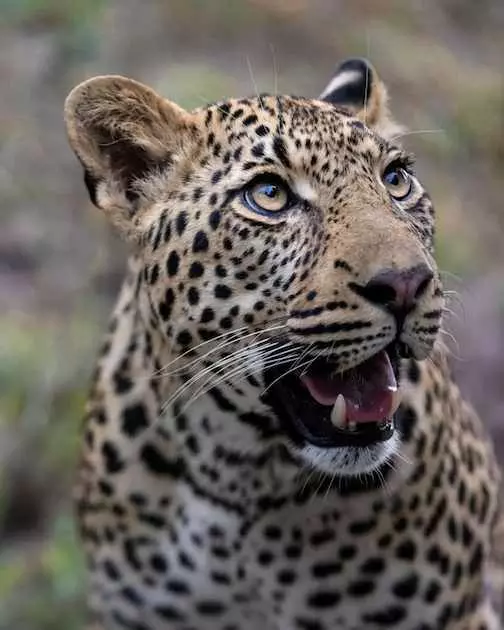
Forest or Rocky Hill? What Are Leopards' Habitats?
Leopards are some of the most adaptable big cats and can live in a variety of landscapes, such as thick forests, open woodlands, rocky hills and arid locations.
Unlike some large predators, leopards are not specific about the habitats they live in. As long as they have plenty of prey, shelter and space, they will survive.
Leopards have different adaptations depending on their habitat. A leopard living in a thick forest may use the dense vegetation for cover, whilst a leopard living in a rocky landscape may use caves, rocks and tight spaces.
Understanding these differences will help you understand just why they thrive in such varied landscapes and can provide some great information on their behaviour.
Why Habitat Is Important
Having a great habitat is important for leopards. They need somewhere to hide from threats, somewhere to rest during the day and somewhere to sneak up on their prey. They also need enough space to mark their territory.
Leopards are solitary creatures, so they spend a lot of their time moving around on their own. They use natural cover to try and avoid unnecessary interactions with other leopards and larger predators. Their spotted fur also helps them blend into many environments.
They also need to have a good source of food. Leopards hunt a variety of animals, such as deer, antelope, monkeys and small mammals.
This is why they can thrive in a variety of habitats.
Leopards in Forests
Forests provide natural cover for leopards. With lots of thick vegetation, tall trees and shady areas, leopards can move around without drawing too much attention to themselves. This is ideal for leopards as they like to stalk their prey.
Benefits of Forests
Thick forests provide leopards with:
- Natural camouflage: The shadows, leaves and dappled light help break up their spotted fur.
- Prey: There may be deer, monkeys, wild pigs and other animals in the forests.
- Shady areas to rest: With lots of vegetation and trees, leopards can find some secluded spots to rest.
- Remote areas: Some patches of forest can provide leopards with space away from humans.
They may also climb trees to get away from any threats, rest or carry their prey away from scavengers. Leopards have strong limbs and sharp claws, making them great climbers.
However, they can be hard to spot in a forest. Due to the thick vegetation, they may not be seen clearly even if they are quite close to your safari route. You may see some movement, a flash of spotted fur or signs they have been there recently.
Read: Luxury Tanzania Safaris vs Budget Safaris: Which One is
Where Are Forest Leopards Found?
Leopards can be found in a variety of forest landscapes across India. They can live in the Western Ghats, central forests and the foothills of the Himalayas.
Leopards can also thrive in dry deciduous forests. Although these forests experience seasonal changes, the vegetation can still provide a great habitat.
Some leopards can also live close to farmland. Whilst they can live in untouched areas, some leopards live close to farmland, which can increase the risk of conflict.
Leopards in Rocky Areas
Rocky hills provide leopards with some great benefits. They can use cliffs, boulders, crevices and rough terrain to get some shelter.
Natural rock formations can provide similar benefits to thick vegetation in forests.
Benefits of Rocky Areas
Leopards can benefit from rocky areas in several ways:
- Shelter: Caves, crevices and shaded rock faces provide shelter from the heat.
- High viewpoints: Leopards can use high rocks to keep a watchful eye on their surroundings.
- Natural camouflage: Their fur blends in with the dry soil, rocks and shadows.
- Prey: There may be wild goats, deer, langurs and small mammals in the rocky hills, depending on the area.
Leopards are agile and can move around steep areas. Their muscular bodies and powerful hind legs make them great climbers.
They can also use rocky areas to escape. If they know the area well, they can hide in tight spaces or climb onto a ledge that will be hard for other animals to reach.
Examples of Rocky Leopard Habitats in India
Leopards can live in rocky areas such as the Aravalli hills, Rajasthan and western India. The Jhalana Leopard Reserve in Jaipur is known for having great leopard sightings in a landscape influenced by rocky terrain. The area is full of scrub and urban surroundings.
Another famous area is the Jawai region in Rajasthan. This area has granite hills and boulders that provide natural shelter for leopards. The area also has villages and grazing areas.
This shows that leopards do not always have to live in thick forests. As long as there is plenty of food, shelter and space, they can live in rocky areas.
Are Leopards More Suited to Forests or Rocky Areas?
The answer to this question will vary depending on the area. Below is a table showing the differences between the two.
Feature
Forest
Rocky Area
Natural Cover
Trees, bushes and thick vegetation
Boulders, crevices and rock faces
Common Resting Areas
Shady vegetation and trees
Caves, shady rocks and rock faces
Prey
Forest animals and animals that prefer woodland areas
Prey on slopes, scrub areas and nearby open areas
Movement
Move through vegetation and forest paths
Move around slopes, ridges and tight areas
Visibility
Often poor due to thick vegetation
Occasionally better due to open areas, but leopards can hide behind rocks
Both areas can support healthy leopard populations, as long as there is enough prey, water, vegetation, shelter and limited human disturbance.
Some areas can have both! Leopards can live in hilly forests, scrubby slopes and rocky valleys. These can provide a variety of useful resources within a small area.
How Habitat Affects Hunting
- Leopards are ambush predators. They usually try to sneak up on their prey and attack from close range.
- In forests, leopards sneak up on their prey using the vegetation. They may use natural paths, open areas and locations near water sources.
- Rocky areas provide leopards with different hunting opportunities. They may hide behind boulders, sneak up on prey using the slope or sit near a path that other animals frequently use. Depending on the area and prey, they change how they hunt.
- They are also opportunistic hunters. Depending on what animals are available, they change how they move around.
- Depending on the area, leopards can have a varied diet. One leopard may eat lots of deer in a certain forest, whilst another may hunt small mammals and livestock in a dry area due to a lack of natural prey.
Can Leopards Live Outside Forests and Hills?
Yes! Leopards are very adaptable and can be found in a variety of areas.
Depending on the area, they may live in grassy areas, scrub areas, semi-arid areas, farmland and areas close to human settlements. Some leopards live in fragmented habitats with natural vegetation, roads, farmland and villages.
Whilst they are adaptable, they still need enough prey, shelter and space. Loss of habitat, fewer prey animals, road accidents and conflict with humans could affect their chances of surviving.
Leopards have survived in a variety of areas across Africa and Asia due to their adaptability. Ensuring they have connected habitats and less conflict is important for their future.
Where Can I See Leopards on Safari?
A Leopard Safari in India can take you to some amazing areas where leopards live. You can search for leopards in rocky areas such as Jhalana in Jaipur and the Jawai region in Rajasthan.
Both areas have boulders and scrubby hills that provide natural shelter. Other areas in India have forest reserves. These can make it harder to see leopards because there is lots of vegetation and shady paths.
No habitat will guarantee you will see leopards. They are very elusive and change their movements depending on prey, weather, season and human disturbance.
Having a knowledgeable local guide will help you understand the land, identify signs of wildlife and view animals responsibly. You may spot tracks, hear alarm calls and notice behavioural changes in other animals. However, these signs will not guarantee you will see leopards.
It is important to be patient. Watching leopards move around their natural surroundings can be a rewarding experience. Understanding their habitat will add to this experience.
Final Thoughts
Both rocky areas and forests can provide leopards with the resources to survive. Forests provide vegetation, shade and cover, whilst rocky areas provide sheltered crevices, high viewpoints and natural cover.
Leopards are among the most widespread big cats due to their ability to live in a variety of areas. They are not reliant on one habitat type but need enough prey, shelter and space.
Learning about their habitats will add to your experience as a wildlife lover. Each habitat has a different story to tell about how leopards hunt, rest and move around. Understanding this will help you appreciate these elusive predators and how important it is to protect their homes.