Why Easy-to-Carry Food Packaging Matters for On-the-Go Customers
Many people buy food while traveling, working, shopping, or taking a short break. They need meals and snacks that are easy to carry and simple to enjoy.
Food packaging plays an important role in making this possible. It should keep food secure while allowing customers to move around comfortably.
Restaurants, cafes, and food stalls can improve takeaway service by choosing packaging that fits their menu.
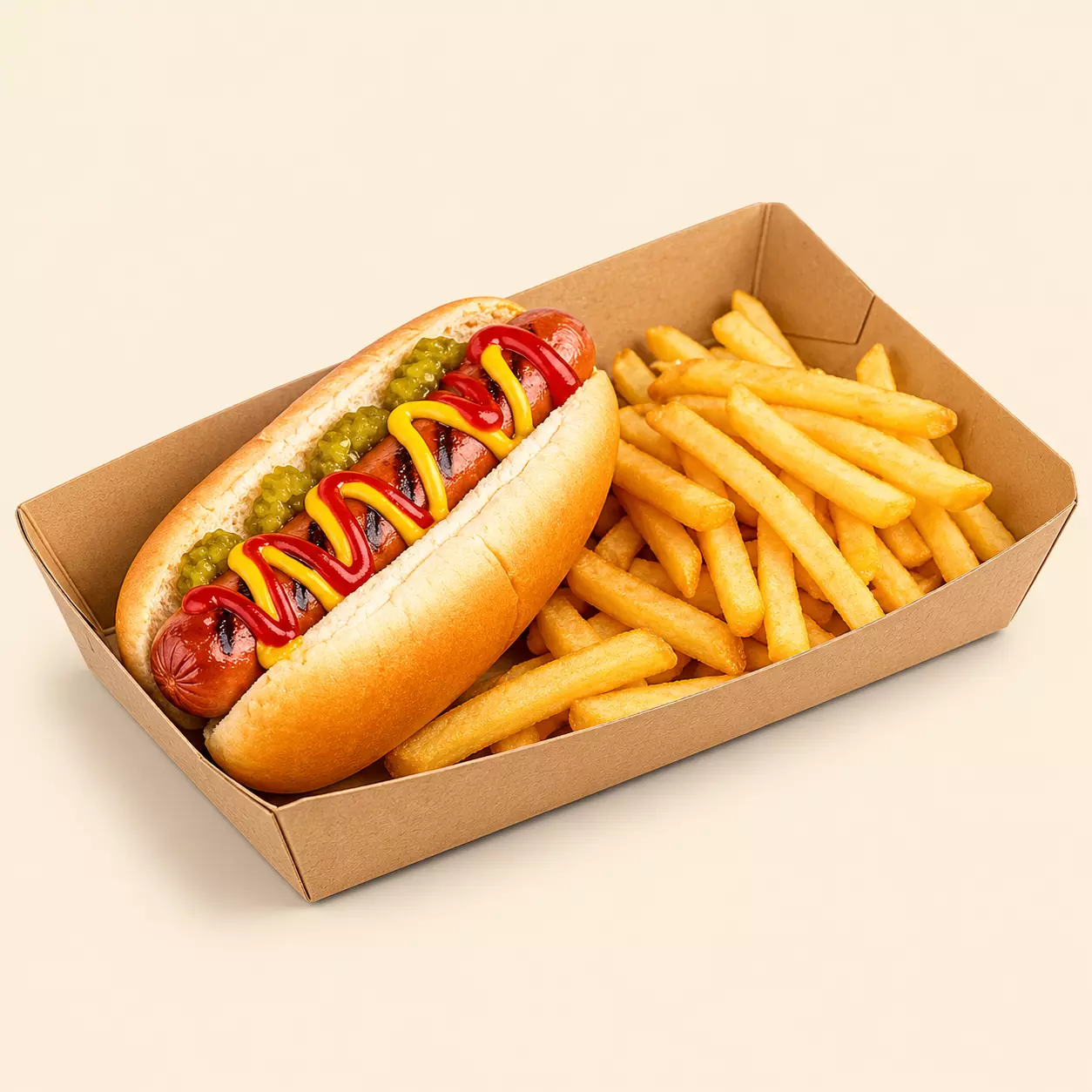
For example, custom hot dog trays wholesale can be a practical option for food vendors who serve customers at busy events or outdoor locations. The right packaging helps reduce spills, protect food, and make meals easier to handle.
1. Make Food Easier to Carry
Customers often eat while walking or traveling. Packaging should be light enough to carry without creating extra effort.
Bags, trays, and food containers should have a practical shape. They should also be easy to hold with one hand when possible. A package that is too large or difficult to grip can make a simple meal less convenient.
Businesses should think about how customers will carry their food before choosing a package.
2. Prevent Spills and Mess
Food spills can create problems for customers. Sauces, drinks, oils, and loose toppings may leak if the packaging is not suitable.
Containers should close properly and hold food in place. Lids, secure folds, and stable bases can help prevent mess during travel.
For meals with sauces or toppings, businesses should test packaging with real food. This helps them find weak points before serving customers.
3. Choose the Right Size for Each Meal
Packaging should fit the food without leaving too much empty space. Large containers can make small meals harder to carry, while tight packaging may damage the food.
A burger may need a compact box, while fries or snacks may fit better in an open tray. Drinks need containers that are stable and easy to hold.
Using different sizes for different menu items can make takeaway orders more practical. It can also reduce wasted packaging material.
4. Keep Food Fresh and Presentable
Customers want their food to look and taste good when they are ready to eat. Packaging should help protect the meal during the journey.
Some foods need containers that hold heat, while others need space to release steam. Hot fried foods, for example, can become soft if too much moisture stays inside the package.
Businesses should choose materials that suit the food. Proper packaging can help meals stay neat and enjoyable until they reach the customer.
5. Focus on Easy Opening and Handling
Food packaging should be simple to open. Customers may be carrying a phone, bag, or other items when they receive their order.
Easy-open lids, clear folds, and simple closures can make a difference. Packages should also allow customers to reach their food without making a mess.
Restaurants can test packaging by asking staff or customers to open it during normal use. This can reveal problems that may not be clear when looking at an empty package.
6. Consider Food Safety and Cleanliness
Food packaging should help protect meals from dirt, dust, and direct contact during handling. Clean storage and careful packing are also important.
Staff should wash their hands, use clean work areas, and avoid touching the inside of food containers. Packaging materials should be suitable for contact with the type of food being served.
Clear food labels can also help customers understand important details, such as ingredients and allergy information. These steps support safer food service.
7. Make Packaging Comfortable for Different Customers
Not all customers have the same needs. Some may be carrying food for children, while others may be traveling by bus or walking a long distance.
Lightweight bags, stable containers, and easy-to-hold trays can help different groups. Packages should not have sharp edges or awkward shapes that make them uncomfortable to carry.
Businesses should also consider customers ordering several meals at once. A well-sized takeaway bag can keep different items organized.
8. Use Packaging to Support Brand Recognition
Food packaging can also help customers remember a business. Simple printed designs, brand colors, and clear logos can make takeaway orders more recognizable.
The design should not make the package harder to use. Important details should remain easy to read, and the material should still protect the food properly.
A consistent look across bags, boxes, cups, and wrappers can help create a familiar brand image. Practical design should always come before decoration.
9. Test Packaging Before Using It Regularly
Before choosing packaging for daily service, businesses should test it with their actual menu items. A package that looks suitable may not work well once it holds hot, oily, or heavy food.
Check whether it stays closed, supports the food, and remains comfortable to carry. Staff can also test how quickly they can pack orders during busy periods.
Customer feedback is useful as well. Ask whether the package was easy to carry, open, and use. Small changes based on real experience can improve the takeaway process.
Conclusion
Easy-to-carry food packaging helps customers enjoy meals while traveling, working, or going about their day. The right size, secure design, suitable material, and comfortable shape can reduce spills and protect food during transport.
Businesses can also use printed food wrapping paper to keep certain foods neat while adding a simple branded touch. By testing packaging with real menu items and listening to customers, food businesses can make takeaway orders more convenient and reliable.