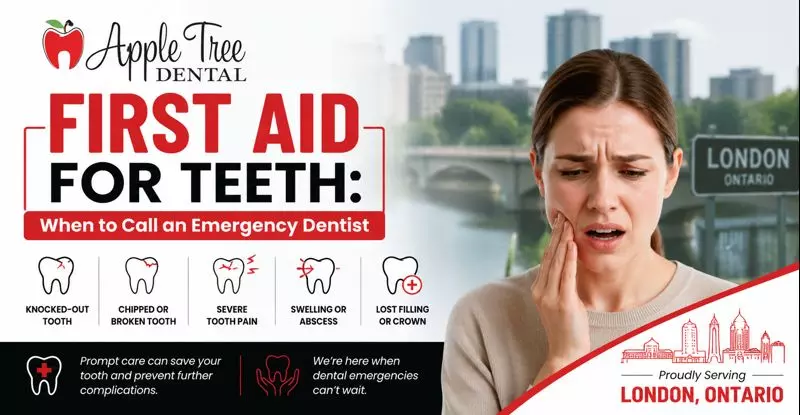
First Aid for Teeth: When to Call an Emergency Dentist
Dental trauma rarely happens when it is convenient. It does not wait for normal business hours, and it certainly does not care if you are on vacation, at a weekend sporting event, or simply enjoying a hard piece of candy on a Friday night. When sudden oral pain or injury strikes, panic is often the immediate response.
However, understanding the difference between a situation that can wait until Monday morning and a genuine crisis that requires immediate intervention is crucial.
In 2026, modern dentistry is highly equipped to save natural teeth and manage severe pain, but the success of these treatments is often dictated by a ticking clock.
This guide is designed to empower you with the knowledge to identify a true dental crisis, apply immediate first aid, and secure the right professional help when every minute counts.
Recognizing a True Dental Crisis
A common misconception is that any oral discomfort requires urgent care.
While all dental pain should be evaluated by a professional eventually, hospital emergency rooms and urgent dental clinics reserve immediate slots for cases involving severe trauma, uncontrollable bleeding, or life-threatening infections.
Here are the primary scenarios that definitively require urgent professional care:
1. The Knocked-Out (Avulsed) Tooth
This is the most time-sensitive issue in dentistry. If an adult (permanent) tooth is completely knocked out of its socket, you are working against a "golden hour."
The highest probability of successfully re-implanting the tooth and keeping its root tissue alive occurs within the first 30 to 60 minutes after the injury.
2. Severe, Unyielding Toothaches
A dull ache that comes and goes is a warning sign of decay. However, a sharp, throbbing, blinding pain that radiates through your jaw, neck, or ear—especially if it keeps you awake at night or is unresponsive to over-the-counter painkillers—is a sign of acute pulpitis (severe infection of the tooth's nerve).
This requires immediate intervention to relieve the pressure and prevent the infection from spreading.
3. Facial Swelling and Abscesses
An abscess is a localized collection of pus caused by a bacterial infection, often appearing as a painful, pimple-like bump on the gums. If left untreated, the infection can rapidly spread to the jaw, neck, or even the brain.
If you experience a toothache accompanied by swelling in your cheek or jaw, a fever, or difficulty swallowing or breathing, this is a systemic medical emergency.
4. Uncontrolled Oral Bleeding
While minor bleeding after a routine extraction or a minor gum cut is normal, bleeding that does not stop after 15 to 20 minutes of applied, firm pressure is a medical urgency.
This can occur due to severe lacerations to the soft tissues (tongue, cheeks, lips) or complications following oral surgery.
What Is NOT a Dental Emergency?
To help preserve urgent care resources and save yourself an expensive after-hours fee, it is helpful to know which situations can safely wait a few days for a regular appointment:
- A chipped or cracked tooth with no pain: If the crack hasn't exposed the sensitive inner nerve, it is not an emergency.
- A lost filling or crown: While annoying and potentially sensitive to air, this rarely requires midnight attention. Keep the area clean and chew on the other side of your mouth.
- Mild tooth sensitivity: Fleeting pain when eating hot or cold foods indicates enamel wear or a small cavity, but not an urgent crisis.
Immediate First Aid Steps to Take at Home
If you find yourself in a genuine crisis, the steps you take in the minutes immediately following the injury can dramatically alter the outcome.
For a Knocked-Out Tooth:
- Pick the tooth up by the crown (the chewing surface). Never touch the root, as this can damage the delicate periodontal ligament cells necessary for reattachment.
- If it is dirty, rinse it very gently with milk or saline. Do not scrub it or use soap.
- Try to gently place the tooth back into its socket and bite down on a clean piece of gauze or cloth to hold it in place.
- If reinsertion isn't possible, place the tooth in a small container of milk or a specialized tooth-preservation product (like Save-A-Tooth). Do not store it in tap water, as the osmotic pressure will cause the root cells to burst.
For a Fractured Tooth:
Rinse your mouth with warm water to clean the area. Apply a cold compress to the outside of your cheek or lip to minimize swelling. If you can find the broken fragment, bring it with you, as the dentist can sometimes bond it back into place.
For Soft Tissue Injuries (Bitten lip or tongue):
Clean the area gently with water and apply a cold compress. Press a clean piece of gauze against the wound to control bleeding. If the bleeding persists beyond 15 minutes, proceed to an emergency room or urgent clinic.
Hospital ER vs. Dental Clinic: Where Should You Go?
Many people intuitively rush to the nearest hospital emergency room when oral trauma occurs. However, it is important to note that most hospital ERs do not have a dentist on staff.
An ER physician can provide antibiotics for an infection and strong pain medication to manage discomfort, but it is actually illegal in many jurisdictions for anyone other than a licensed dentist to perform dentistry (like pulling a tooth, performing a root canal, or re-implanting an avulsed tooth).
Unless you are experiencing a life-threatening symptom (such as swelling that compromises your airway, a severely fractured jaw, or heavy uncontrollable bleeding), you need an urgent care dental clinic, not a hospital.
Read: Best Medicines for Quick Relief from Dental Cavity Pain
Being Prepared: Don't Wait for a Crisis
The worst time to figure out your local urgent care options is while you are holding a bloody towel to your mouth. When panic sets in, frantically scrolling through search results and listening to automated voicemails wastes precious time.
Preparation is your best defense against lasting dental damage. Researching local clinics, checking their after-hours policies, and understanding their scope of trauma care is essential.
If you live in Ontario, knowing how to properly vet an emergency dentist before disaster strikes can save your tooth and significantly reduce your stress.
You should proactively look for a clinic with flexible scheduling, comprehensive diagnostic technology (like 3D CBCT imaging), and a compassionate, responsive team.
Summary: Your Quick-Reference Trauma Guide
Symptom / Injury
Immediate Action
Professional Care Required?
Knocked-out tooth
Store in milk; do not touch root.
Immediate (within 30-60 mins).
Abscess/Facial Swelling
Rinse with warm saltwater; monitor breathing.
Immediate (risk of systemic infection).
Lost filling/crown
Keep clean; use OTC dental wax if sharp.
Schedule regular appointment.
Severe, throbbing pain
Take OTC pain relievers; use cold compress.
Urgent (same-day appointment).
While we can never fully predict when a dental crisis will happen, we can control our response to it. By maintaining excellent oral hygiene to prevent decay-related emergencies,
wearing a custom mouthguard during contact sports, and having a trusted urgent care provider already saved in your phone contacts, you can navigate any dental trauma with confidence and speed.
Author Bio
Clinical Team at Apple Tree Dental Apple Tree Dental is a premier, patient-focused dental practice located in London, Ontario.
Our highly trained team of licensed dentists and hygienists is dedicated to providing compassionate, state-of-the-art care, from routine preventative maintenance to advanced restorative and urgent trauma interventions. We believe that patient education is the foundation of long-term oral health.
If you are looking for a reliable, highly-rated emergency dentist to safeguard your family’s smiles, visit our comprehensive guide to learn more about our urgent care protocols and advanced clinical capabilities.