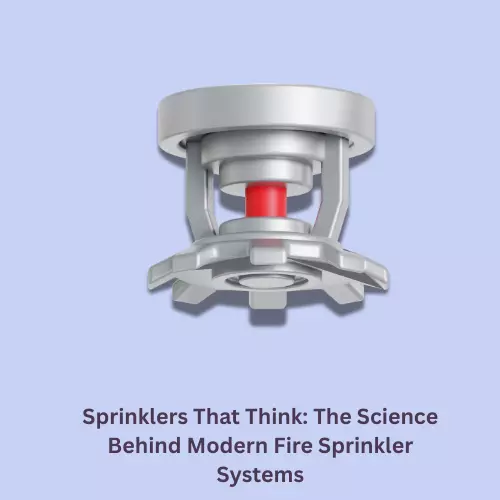
Sprinklers That Think: The Science Behind Modern Fire Sprinkler Systems
When we see fire sprinklers in buildings, most of us assume they’re simple systems—pipes, heads, and water. But modern fire sprinkler systems are much more sophisticated. They “think” in the sense that they respond intelligently to heat, distribute water precisely, integrate with alarms, and are designed to minimize damage and maximize safety.
In this article, we’ll explore how these smart systems work: their components, activation mechanisms, types, design considerations, safety benefits, and how fire fighting equipment supplier companies like Avinash Fire Protection Systems contribute to making these systems reliable and effective.
Key Components: What Makes a Sprinkler System Smart
Modern fire sprinkler systems consist of several integrated components that all play critical roles. Here are the main parts:
- Sprinkler Heads
- Each sprinkler head has a heat-detecting element—usually either a glass bulb filled with a glycerin‑based liquid or a fusible metal link.
- The bulb/link is calibrated to a specific activation temperature. When heat reaches that threshold, the bulb breaks or the link melts, opening the sprinkler.
- Piping and Water Supply
- A network of pipes carries water (or in some systems, air or a mix) from its source to each sprinkler head. The system must maintain adequate pressure and flow rates to ensure effectiveness. Water supply may come from municipal sources, dedicated tanks, or sometimes with pumps when higher pressure is needed.
- Control Valves, Alarm Valves, and Gauges
- These elements help regulate flow, isolate sections for maintenance, detect drops in pressure (when sprinklers have opened), and trigger alarms. Smoke detectors are not what activate sprinklers—heat is the trigger. But alarms connect when water starts flowing.
- Heat Detection & Activation Mechanism
- As noted, this is usually via glass bulb or fusible link. The design of the bulb (color, type of liquid, etc.) determines its activation temperature. There are “quick‐response” heads for certain environments (hospitals, etc.) which respond faster.
- Water Discharge + Deflectors
- When activated, water is pushed through the sprinkler head and dispersed via a deflector plate into a specified pattern to maximize coverage and cooling of the fire. The aim is to control or suppress the fire at its source.
- Alarm & Monitoring Systems
- Sprinklers are often tied into fire alarms. When one sprinkler activates (or a valve detects flow), an alarm is triggered, notifying occupants and sometimes automatic dispatch to emergency services. Some systems also offer remote monitoring.
Types of Sprinkler Systems: Matching the Right Design to the Risk
Different buildings and environments require different types of sprinkler systems. Choosing the right type is part of the “thinking” or engineering behind modern systems.
- Wet Pipe Systems: Pipes are permanently filled with water. The simplest and most reliable, suited to places where freezing is not a concern.
- Dry Pipe Systems: Pipes are filled with compressed air; water is held back by a valve until one or more sprinkler heads activate. Good for cold areas where pipes might freeze
- Deluge Systems: All heads are open, but water is held back by a valve. When activated (often by external detectors), all sprinklers discharge. Used in high hazard zones where fire growth can be very rapid.
- Pre‑action Systems: A two‑step system: a detector or smoke/heat detection triggers water into the pipes, and then the sprinkler heads’ heat sensitive parts activate to discharge water. Useful in places where accidental discharge would be especially harmful (e.g. data centers, museums).
- Foam Water Systems: Combined with fire‑suppression foaming agents. Used in places with flammable liquids. Certain heads mix foam with water to suppress both flame and vapors.
How Activation Actually Happens: A Step‑by‑Step Process
To understand the “thinking,” it helps to walk through a typical activation sequence:
- A fire starts. Flames heat up the room; hot air rises toward the ceiling.
- The temperature near the sprinkler head rises. The glycerin liquid in the glass bulb expands, or a fusible link starts to melt.
- Once the heat sensitive element reaches its threshold, it fails (bulb breaks or link melts). That opens the sprinkler head.
- Water under pressure flows through the open sprinkler head, hits the deflector, and sprays in a designed pattern to cover the fire area. It cools flames, reduces radiant heat, suppresses fire spread.
- The drop in pressure (or detection of water flow) triggers alarm systems, alerting occupants and emergency services.
- If more of the fire spreads, additional sprinkler heads may activate—but only those whose activation temperature is reached. Not all sprinklers go off at once.
The Science That Underpins It All: Engineering, Physics, and Safety Standards
The way modern sprinkler systems "think" is built on a solid foundation of science: thermodynamics, fluid mechanics, materials science, hydraulic engineering, and safety engineering. Let’s explore some of the scientific principles and standards that ensure these systems work well.
- Thermal sensitivity and physics of glass/fusible metal: The calibration of activation temperature relies on understanding how liquids expand, how metals melt at given temperatures, and safety margins. The glass bulb’s liquid must handle ambient temperature variations but still break reliably when needed.
- Hydraulic calculations: To ensure enough water flow and pressure reaches every sprinkler head under worst‑case fire conditions. Engineers use formulas to size pipes, pumps, and water storage so that discharge rates are sufficient.
- Heat transfer and fire dynamics: How heat diffuses, how radiant heat spreads, how combustible materials react, how smoke behaves, etc. These influence where sprinklers are placed, what type of sprinklers, what activation thresholds.
- Material science: Sprinkler heads, pipes, valves must be durable, corrosion resistant, heat resistant, able to maintain mechanical integrity over many years.
- Standards & safety codes: Codes such as the National Building Code of India, NFPA (National Fire Protection Association), British Standards (BS), EN standards, etc., set rules for spacing of heads, types of systems, testing, maintenance. Ensuring compliance is crucial.
Benefits of Smart Sprinkler Systems
Modern sprinkler systems aren’t just about putting out fires—they offer many benefits:
- Greatly reduced fire damage: Since sprinklers activate early and only locally, fires are suppressed before they grow.
- More lives saved: Early activation reduces smoke, heat, toxic gases, allowing safer evacuation.
- Lower insurance premiums: Properties with well‑engineered sprinkler systems are seen as lower risk.
- Minimized water damage: Because only heads near the fire go off, less collateral water damage compared to, say, fire hoses or manual firefighting.
- Continuous protection: Even when occupants are asleep or away. A sprinkler “thinks” and acts automatically—it doesn’t need someone to pull a lever or call for help first.
Challenges & Modern Innovations
While modern sprinkler systems are highly effective, there are challenges and areas for innovation:
- False activations: Though rare, systems must be designed to avoid accidental activation from ambient heat sources, or from things like welding, lighting, etc. Choosing correct activation temperatures and head placements helps.
- Freezing risk: In cold climates, water in pipes can freeze, blocking the system. Dry pipe or preaction systems are used, but they come with complexity.
- Water supply and pressure: Enough reliable water source and pressure must be available, especially in older buildings or remote locations. Fire pumps and backup tanks help.
- Maintenance: Regular inspections, replacing aging components, making sure valves work, no corrosion, ensuring that sprinkler heads are clean and unblocked.
- Integration with smart technology: Now sprinklers are being integrated with building management systems, IoT, remote monitoring. Sensors can detect temperature rises earlier, allow predictive maintenance, monitor water supply, etc.
Case Study: Avinash Fire Protection Systems as a Fire Fighting Equipment Supplier
To understand how a real‑world company applies all this science, let’s look at Avinash Fire Protection Systems, a leading fire fighting equipment supplier based in Ludhiana (Punjab), India.
Who They Are
Avinash Fire Protection Systems specializes in providing high‑quality fire protection equipment and services. As a fire fighting equipment supplier, they offer a range of systems: fire extinguishers, fire sprinkler systems, fire alarm systems, wet & dry pipe systems, AMC (annual maintenance contracts), training, etc. Their goal is to supply not just equipment, but end‑to‑end solutions: design, installation, testing, and maintenance.
How They Embody the Science of Smart Sprinkler Systems
- Customized system design: As risks vary (industry, warehouse, residential, commercial), Avinash evaluates parameters such as ceiling height, hazard classification, water availability, local climate (to decide wet vs dry systems), etc., applying hydraulic calculations and compliance with Indian standards.
- Quality components: Using sprinkler heads with correct activation temperatures, reliable control valves, pressure gauges, pipes that are corrosion resistant, following BIS or other relevant certification.
- Integration with alarms and detection: Ensuring that detection and alarm systems associated with sprinklers are properly installed so that flow‑switches or pressure changes trigger alarms, helping occupants and authorities.
- Maintenance and testing: Regular inspections, replacing worn parts, ensuring valves are operable, water supply is reliable. They likely follow best practices for maintenance, which is essential for systems to function when needed.
- Training & awareness: They don’t just supply products—they help customers understand how systems work, the importance of early detection, the role of sprinkler heads, etc.
By operating this way, Avinash Fire Protection Systems demonstrates how a fire fighting equipment supplier can deliver not just hardware, but intelligent, reliable, life‑saving systems. They bridge the gap between engineering theory and practical safety.
Design Considerations: What Makes a System Truly “Wise”
A sprinkler system that really “thinks” is not just one that activates—it’s one that is designed, installed, and maintained correctly. Some design factors include:
- Hazard classification: Light, ordinary, extra heavy. Each has different required discharge densities, coverage areas, sprinkler head types.
- Spacing & layout: Where sprinkler heads are placed relative to ceilings, beams, obstructions; ensuring that water spray patterns reach all parts of the protected volume.
- Ceiling height & geometry: Taller ceilings may delay activation (heat reaches sprinkler slower), require special designs, more heads.
- Activation temperature settings: Using correct temperature‑rated heads; in hot environments, higher activation temperature so accidental activation is less likely.
- Water supply & reliability: Backup storage, fire pumps, redundant sources in case primary water supply fails.
- System type selection: Wet, dry, deluge, preaction, or foam water depending on environment (freezing risk, sensitive equipment, flammable liquids, etc.).
- Redundancy & safety measures: Control valves that are locked open (so someone doesn’t accidentally close system), drainage for testing, monitoring of tamper status.
Real‑World Performance & Statistics
- A well‑designed sprinkler system, when maintained properly, can control or suppress a fire often before the fire department arrives. In many jurisdictions, statistics show that over 90‑95% of fires in sprinkler‑protected buildings are controlled by sprinklers alone.
- Early activation significantly reduces property damage, life loss, and business interruption. The quicker the system responds, the less smoke and heat build up, and the safer the occupants.
The Future: Smarter Sprinklers
Going forward, several trends are shaping the next generation of sprinkler systems:
- IoT and Remote Monitoring: Sprinkler systems connected to sensors that monitor water pressure, temperature, corrosion, tampering, and send alerts proactively.
- Predictive Maintenance: Using data analytics to predict when heads, valves, or pipes may fail or corrode.
- Advanced Heat Detection: More sensitive or faster sensors, even thermal imaging integration, to detect heat earlier or in more complex fire scenarios.
- Better Materials: More durable metals/alloys, better coatings to reduce corrosion, more reliable glass bulbs, improved fusible link materials.
- Environmentally Friendly Fire Suppression Agents: Alternatives or supplements to water (foams, mist systems, inert gases) in certain specialized settings.
Practical Advice: What Building Owners Should Check
If you are responsible for a building or are considering installing a modern sprinkler system, here are things you should look for (or ask a fire fighting equipment supplier like Avinash):
- Check that the system is designed by qualified engineers and complies with local codes.
- Make sure sprinkler heads are of the right type & temperature rating.
- Ensure water supply (pressure, flow, storage) is sufficient.
- Confirm regular maintenance is planned: inspections, testing of valves, checking alarm interconnections.
- Ask about monitoring and alarm integration.
- Understand who responds when alarms are triggered. Are local fire services tied in? Is there an internal fire team?
Conclusion
Fire sprinkler systems today are far more than simple plumbing. They are systems engineered to sense heat, respond quickly, localize activation, integrate with alarms, and give occupants maximum warning with minimal damage. The science behind them—covering thermal detection, hydraulics, materials, standards—ensures that when fire strikes, these “thinking” systems can act immediately and effectively.
And when you partner with the right fire fighting equipment supplier, you ensure that all these intelligent elements are in place—proper design, quality components, compliance, and maintenance. Companies like Avinash Fire Protection Systems exemplify how modern sprinkler systems can be properly delivered, maintained, and integrated so that safety is not just an ideal but a reliable reality.
If you like, I can also prepare a version of this article optimized for SEO for your website or for Ludhiana‑specific audiences.