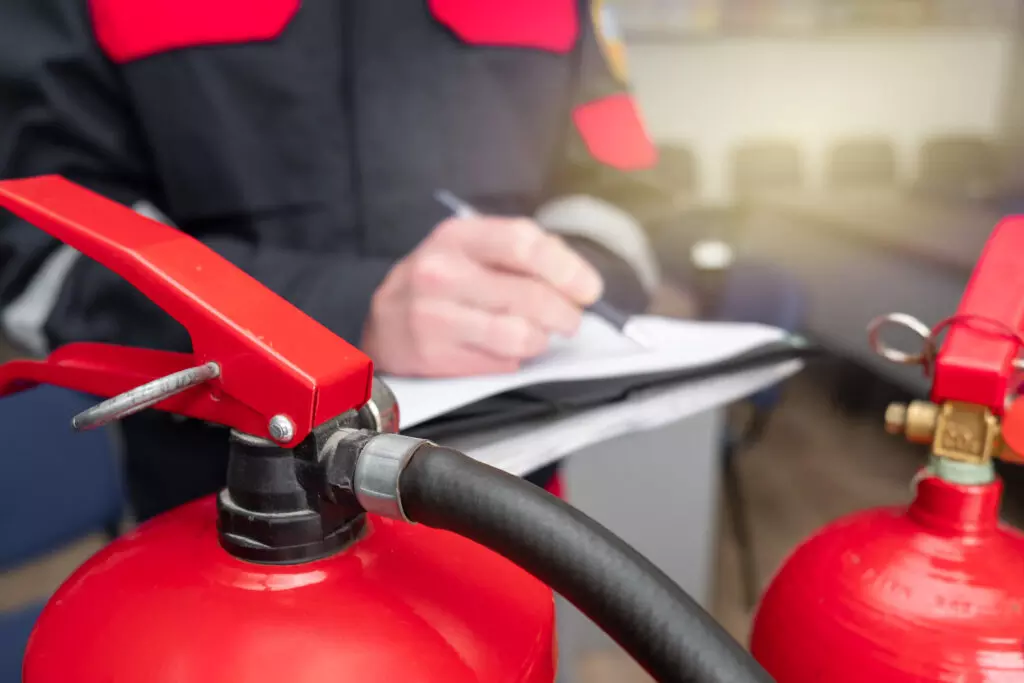
Fire Extinguisher Servicing and Its Role in Risk Management for London Properties
Fire safety is a critical part of property management in London, where dense urban development, mixed-use buildings, and strict enforcement standards leave little room for error.
While many landlords and business owners focus on alarms and evacuation routes, one essential element often receives less attention than it deserves: fire extinguisher servicing.
Fire extinguishers are designed to stop small fires before they escalate into serious incidents. However, without regular professional maintenance, they can fail at the very moment they are needed most. In today’s regulatory environment, ensuring that extinguishers are properly serviced is not only a safety issue — it is a fundamental risk-management requirement.
The Legal Framework Behind Fire Extinguisher Maintenance
In England, fire safety responsibilities are governed by the Regulatory Reform (Fire Safety) Order 2005. This legislation places a legal duty on the “Responsible Person” to ensure that all fire safety equipment is maintained in efficient working order.
Fire extinguishers fall squarely under this duty. The law expects that:
- Firefighting equipment is appropriate for the premises
- Equipment is maintained by competent persons
- Inspections are carried out at suitable intervals
- Records are kept as evidence of compliance
London fire authorities routinely inspect properties, and poorly maintained extinguishers are among the most common reasons for enforcement notices.
Why Fire Extinguishers Cannot Be “Fit and Forget”
A common misconception among property owners is that fire extinguishers are maintenance-free once installed. In reality, they are pressurised mechanical devices that degrade over time.
Common issues discovered during servicing include:
- Gradual loss of pressure
- Internal corrosion
- Blocked or damaged hoses
- Missing safety pins or tamper seals
- Units that no longer meet current standards
These faults are rarely visible during casual checks. Without professional servicing, an extinguisher may appear compliant but fail completely during an emergency.
This is why routine Fire extinguisher servicing London UK plays such a crucial role in maintaining real-world fire protection.
Servicing Standards and Professional Inspections
Fire extinguisher servicing in the UK is carried out in accordance with BS 5306. This British Standard sets out clear guidance on inspection procedures, servicing intervals, and performance requirements.
A professional service typically includes:
- Visual and mechanical inspection
- Pressure or weight checks
- Examination of discharge mechanisms
- Assessment of extinguisher suitability
- Service labelling and documentation
Qualified technicians also identify whether extinguishers are correctly positioned and clearly signposted — both of which are important compliance considerations during inspections.
Fire Extinguisher Servicing as Part of Broader Compliance
Fire extinguisher maintenance should never be treated in isolation. It forms an integral part of a wider fire safety strategy that includes:
- Fire risk assessments
- Fire detection and alarm systems
- Emergency lighting
- Escape route management
- Staff or tenant fire safety awareness
During a fire risk assessment, inspectors assess not only whether extinguishers are present, but also whether they are properly maintained and documented. Missing service records can undermine an otherwise compliant assessment.
This integrated approach is increasingly expected across London properties, particularly in HMOs and commercial premises.
Financial and Insurance Implications
Beyond legal compliance, fire extinguisher servicing has direct financial implications. Many insurance policies require that fire safety equipment is maintained in accordance with legislation and recognised standards.
If a fire occurs and extinguishers were not serviced correctly, insurers may:
- Reduce claim payouts
- Delay settlements
- Reject claims entirely
From a risk-management perspective, maintaining up-to-date service records provides essential protection against these outcomes.
London’s Property Landscape and Fire Safety Challenges
London presents unique fire safety challenges due to:
- Older buildings with limited fire compartmentation
- High-occupancy residential developments
- Frequent property conversions and refurbishments
- Complex ownership and management structures
These factors increase the importance of professional guidance. A knowledgeable Fire extinguisher servicing London Expert understands how local enforcement works and how to maintain compliance across different property types and boroughs.
Common Compliance Gaps Identified During Inspections
Fire authorities frequently identify similar issues across London properties, including:
- Extinguishers overdue for servicing
- Incorrect extinguisher types for the risks present
- Poor visibility or obstructed access
- Missing or incomplete documentation
Most of these issues are easily avoided through scheduled professional servicing and routine compliance reviews.
Preparing for Future Fire Safety Expectations
Fire safety regulation in the UK continues to evolve, with increasing emphasis on accountability and documentation. Property owners and managing agents should expect:
- More detailed inspections
- Greater scrutiny of maintenance records
- Higher penalties for non-compliance
- Increased responsibility placed on the Responsible Person
Staying proactive with fire extinguisher servicing is one of the most effective ways to prepare for these changes.
Read:Fire Safety Risk Assessment for Sleeping Accommodation in the
Why Consistency Matters More Than One-Off Checks
Occasional inspections are not enough to maintain compliance. Fire safety is an ongoing responsibility that requires consistency, documentation, and professional oversight.
Regular Fire extinguisher servicing London UK ensures that equipment remains functional, records stay up to date, and compliance gaps are identified early — before they lead to enforcement action or increased liability.
Conclusion
Fire extinguishers remain a vital component of fire safety in London properties, but their effectiveness depends entirely on proper maintenance. Professional servicing supports legal compliance, reduces risk, and provides documented proof that safety obligations are being met.
For landlords, business owners, and property managers, investing in routine fire extinguisher servicing is a practical and responsible decision. In an environment where enforcement standards continue to rise, proactive maintenance is not just advisable — it is essential.