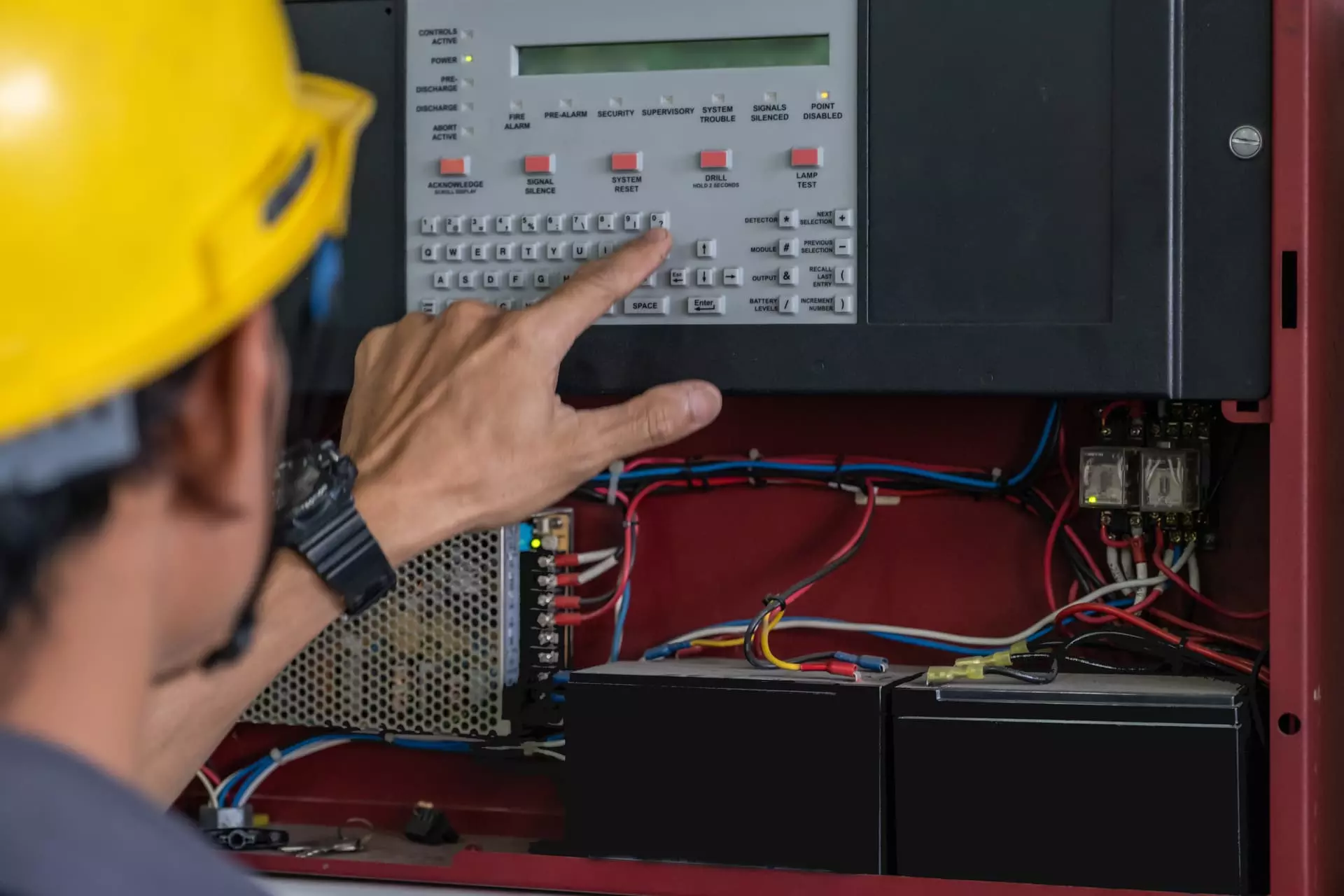
Fire Alarm Maintenance Checklist for 2025
Fire alarms are a critical part of any building’s fire safety strategy. Whether it’s a commercial property, residential block, school, hospital, or retail space, having a functioning fire alarm system can mean the difference between life and death. But installing an alarm system isn’t enough, regular maintenance is essential to ensure it works flawlessly in an emergency.
Partnering with a trusted Fire Alarm Installation not only ensures correct system setup but also helps maintain compliance through routine servicing. In this 2025 fire alarm maintenance checklist, we’ll guide you through everything you need to inspect, test, and verify to stay compliant with UK regulations and keep occupants safe.
Why Fire Alarm Maintenance Is Crucial
Fire alarm systems are prone to wear and tear due to dust, environmental changes, electrical faults, or accidental damage. Maintenance helps:
- Prevent false alarms
- Ensure timely alert during actual fires
- Stay compliant with UK Fire Safety Order 2005
- Avoid legal liabilities
- Reduce insurance complications
UK Fire Alarm Regulations: A Quick Overview
Before diving into the checklist, here are key compliance requirements:
- Regulatory Reform (Fire Safety) Order 2005 mandates the “Responsible Person” to ensure the fire detection system is maintained.
- BS 5839-1:2017 is the British Standard covering fire detection and alarm systems for buildings.
- Fire Risk Assessments must be reviewed regularly and updated if changes occur in the property layout or use.
- For non-domestic premises, fire alarm systems must be inspected by a competent person at least twice a year.
Fire Alarm Maintenance Checklist for 2025
Here’s a complete and updated checklist tailored for businesses and property owners in London.
1. Daily Visual Check (Optional for Small Systems)
For smaller systems or residential settings, a quick daily check can help spot obvious issues.
- Check control panel for fault indicators
- Look for error lights or warning messages
- Make sure there are no signs of tampering or physical damage
2. Weekly Fire Alarm Testing
As per BS 5839, the fire alarm system must be tested weekly.
- Activate one manual call point (MCP) per test — rotate weekly
- Ensure the alarm sounds clearly throughout the building
- Check if the control panel receives the signal and resets correctly
- Record the test in the fire logbook
- Fix any issues identified immediately
3. Monthly Checks
Monthly checks are not always required, but good practice recommends reviewing the following:
- Ensure all MCPs are unobstructed and visible
- Inspect batteries for signs of leakage
- Visually inspect a portion of smoke/heat detectors
- Ensure ventilation or dust hasn’t blocked any devices
- Test remote alarm panels (especially for multi-story buildings)
4. Quarterly Maintenance (Every 3 Months)
Ideal for larger commercial or public buildings, these tasks help prevent long-term faults.
- Clean detector heads and remove dust or debris
- Test interface units (e.g. door closers or sprinklers)
- Confirm the backup power source functions properly
- Inspect fire alarm cabling for damage or tampering
- Check printer logs if connected to the fire panel
- Review event logs for unusual activity or repeated faults
- Confirm zone plans are up to date and displayed properly
5. Biannual Professional Inspection
As required by law, a competent person (usually a certified fire safety technician) must carry out a full inspection every 6 months.
- Full system test including all devices (MCPs, smoke/heat detectors, sounders, interfaces)
- Replace or recalibrate any failing components
- Assess battery condition and runtime
- Review and update system documentation
- Test fire brigade signaling systems (if connected)
- Generate a professional maintenance report
- Advise on repairs or replacements
6. Annual Fire Alarm Maintenance
- Replace backup batteries (if older than 4 years or showing signs of weakness)
- Perform sensitivity testing on smoke detectors
- Clean smoke detector chambers
- Verify sound levels and audibility across different areas
- Evaluate system upgrades or software patches (for digital or smart systems)
- Update your Fire Risk Assessment if changes occurred in layout, staffing, or usage
Fire Alarm Maintenance Log: Why It’s Essential
You must record all fire alarm tests and maintenance activities in a fire logbook. This includes:
- Date and time of test
- Location of device tested
- Name of person who conducted the test
- Observations or issues
- Actions taken
Digital logbooks are becoming more popular in 2025 and are accepted by most fire inspectors in London.
Penalties for Non-Compliance in London
Failing to maintain your fire alarm system can result in:
- Fines up to £5,000 per offense (summary conviction)
- Unlimited fines or imprisonment up to 2 years for serious breaches
- Insurance claim rejection
- Business closure in extreme cases
Fire safety is not just a moral duty — it’s a legal responsibility.
Final Thoughts
Your fire alarm system is only as reliable as its maintenance routine. In 2025, with increasing smart integrations and stricter enforcement of fire safety laws across London, it’s more important than ever to schedule regular checks, maintain proper logs, and work with certified professionals.
By following this Fire Alarm Maintenance Checklist, you’ll ensure your premises stay safe, compliant, and prepared for any emergency.