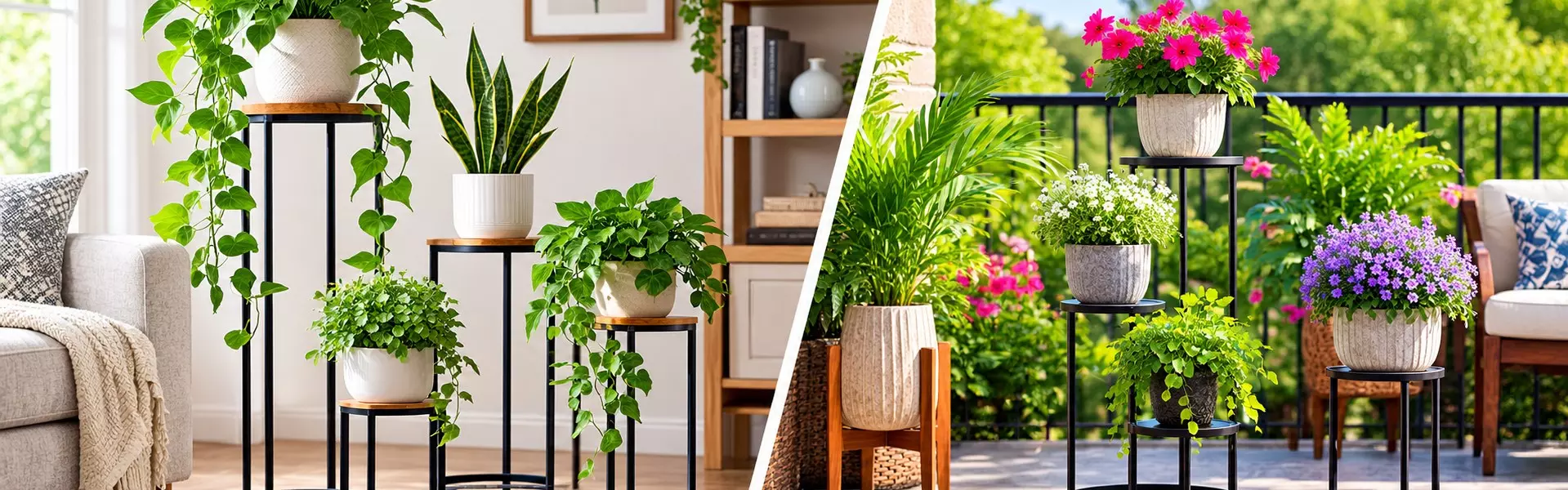
Finding the Right Plant Stand for Indoor and Outdoor Spaces
A single plant on the floor looks fine. Five plants crammed into a corner look cluttered. The difference between a messy plant collection and an intentional display often comes down to how everything is arranged and elevated.
A well-chosen plant stand indoor setup lifts greenery to eye level, creates visual layers, and makes daily care more manageable.
Outdoors, the right stand handles weather while keeping plants healthy and accessible. Understanding what each environment demands helps gardeners choose wisely and avoid costly mistakes.
What Indoor Plant Stands Do Best
Inside the home, plant stands serve both functional and decorative purposes simultaneously. They elevate trailing plants so vines cascade freely without dragging on the floor.
They bring smaller specimens closer to window light where they can thrive. They organize collections that would otherwise compete for limited windowsill space.
A plant stand indoor arrangement works in living rooms, kitchens, bathrooms, and bedrooms alike. Matching stand styles to existing decor creates visual cohesion throughout the space. A minimalist metal stand suits modern interiors while natural wood complements rustic or bohemian design schemes.
For renters or anyone who rearranges frequently, lightweight stands that move easily offer flexibility without requiring permanent installations or damage to walls.
What Outdoor Plant Stands Must Handle
Rain, humidity, temperature swings, and UV exposure all take their toll on materials not built specifically for exterior use.
An outdoor plant stand needs weather-resistant construction to survive multiple seasons. Powder-coated metal resists rust and corrosion. Treated wood handles moisture better than raw lumber that warps and rots. Resin and certain plastics withstand sun exposure without cracking or fading over time.
Weight matters outdoors as well. Sturdy bases or heavier materials provide the stability needed on patios, decks, and garden pathways.
Matching Stand Height to Plant Type
Tall stands suit trailing plants like pathos, ivy, and string of pearls. Elevation gives vines room to drape dramatically without touching the floor where they collect dust or get damaged.
Medium-height stands work well for bushy plants, flowering specimens, and herbs that benefit from being closer to eye level.
Interaction with these plants happens daily through watering, harvesting, and general care, so convenient positioning makes maintenance easier and more enjoyable.
Low stands or simple risers suit large floor plants that already have height of their own. A modest lift improves drainage, protects flooring from moisture damage, and adds visual interest without unnecessary elevation.
Single Stands Versus Multi-Tier Designs
A single-pot stand focuses attention on one specimen plant. Statement plants like fiddle leaf figs or monstera look striking on a dedicated pedestal without visual competition from other plants nearby.
Multi-tier stands accommodate several plants at once, making them ideal for collectors who want to display variety. A plant stand indoor design with multiple levels keeps everything organized while adding vertical interest to a room that might otherwise feel flat.
For outdoor spaces, multi-tier stands maximize growing area on small patios or balconies where ground space is limited. Gardeners working with restricted square footage can still maintain a diverse container garden by building upward instead of outward.
Read: Best Home Decor Websites for Stylish Interior Design Ideas
Caring for Stands and Plants Together
Protecting floors and surrounding surfaces extends the life of both stands and the areas around them.
Indoor stands benefit from protective pads or coasters beneath legs that prevent scratches. Saucers under pots catch overflow and prevent water damage to floors and furniture.
Outdoor stands last longer when stored under cover during harsh winter months or moved to protected areas during extended rain. Even weather-resistant materials eventually degrade with constant exposure to the elements.
Placement Tips for Visual Impact
Grouping stands at varying heights creates dimension and visual interest. A tall stand behind a medium one, with a low stand to the side, forms a layered composition that draws the eye naturally through the arrangement.
Corner placements anchor plants while filling otherwise empty space that tends to look neglected. Flanking a doorway with matching stands adds symmetry and welcomes visitors with greenery that makes any entrance feel more inviting.
Near windows, positioning considers both aesthetics and light requirements. A plant stand indoor setup should place sun-lovers closest to the glass and shade-tolerant plants farther back where light is more filtered.
Building a Cohesive Plant Display
Whether inside or outside, the right plant stands turn scattered pots into intentional arrangements that look designed rather than accidental. They solve practical problems like space constraints and drainage while elevating the visual appeal of any area.