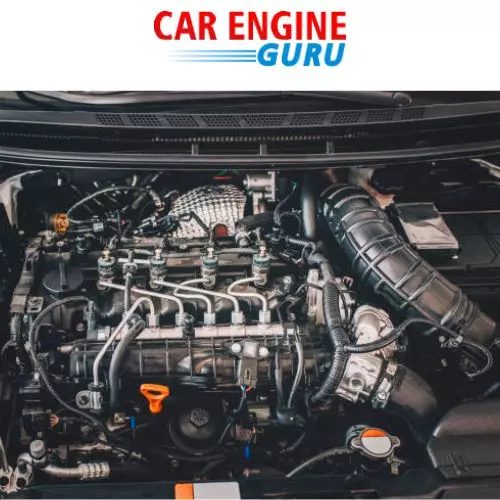
Find Reliable Used Engines for Sale Near Me with Warranty Included
Finding a solid used engine isn’t some neat, easy process. It’s messy. You’ve got random junkyards, sketchy online listings, and people trying to sell you “almost new” engines that cough on startup.
If you want something that actually works and won’t leave you stranded a week later, you need two things: reliability and a warranty. A good used engine with a legit warranty is like hitting a small jackpot in the auto repair world.
In this guide, we’ll break down how to actually locate these engines, what to look for in the listings, and why a warranty isn’t just a nice bonus.
How to Find Reliable Used Engines for Sale Near Me?
1. Start local, not online first
Yeah, Google can throw you a million options. But “used engines near me” often gives you sketchy listings with zero real info. Hit up local junkyards, auto recyclers, and even small repair shops. They’ve got engines coming in and out all the time. You can actually poke at it, see the mileage, maybe even test-turn the crank. Nothing online beats eyeballing it.
2. Ask the right questions
Don’t be polite about it. Ask: “Where did it come from? How many miles? Any knocks or leaks? Do you test them before sale?” If they dodge or mumble, walk away. If they answer straight, that’s gold.
3. Check the history
If it’s got a VIN, look it up. Carfax or local DMV records can clue you in. Some engines are from wrecks that were minor. Others… total write-offs. You want the former.
4. Warranty and return policy
This is non-negotiable. Even a “used” engine should come with at least a 30-day guarantee. Some places do 90 days. Anything less, and you’re gambling.
5. Compare prices smartly
Most engines are priced by miles and condition. Don’t just pick the cheapest. A $300 engine with 200k miles is usually worse than a $500 engine with 120k miles. Factor in rebuild costs if you have to.
6. Online backups
If local options fail, check forums and classifieds — eBay, Facebook Marketplace, even Reddit subs for car enthusiasts. Treat every online seller like a stranger on the street: ask for pics, videos, proof of running.
7. Inspect before you buy
If you can’t pull it yourself, bring a mechanic. Seriously. A professional eyeball can spot cracks, leaks, and weird noises that the seller won’t mention.
8. Be ready to walk
Here’s the ugly truth: half the time, you’ll find engines that sound perfect online but are sketchy in person. Don’t force it. Wait. Better to drive with your old engine another month than gamble $800 on junk
How to Check the Warranty of the Product?
1. Dig out the paperwork
First thing, check whatever documents came with the engine. Invoice, bill of sale, receipt—whatever. Some sellers actually list warranty info there. Not fancy, not digital, just scribbled on paper sometimes. If it’s from a shop, there might be a small warranty sticker or a sheet tucked in the box.
2. Find the serial number
Every engine has one. Usually stamped somewhere obvious, sometimes hidden behind the timing cover or near the oil pan. Write it down. You’ll need this for everything else. Without it, you’re kinda flying blind.
3. Hit up the manufacturer
Call them. Don’t do the email thing first. Just talk to a human. Give them the serial number, tell them it’s a used engine, and ask straight up if there’s a warranty left and what it covers. Some brands only cover the first owner, others will honor it if it was registered properly.
4. Check extended or third-party warranties
Sometimes the seller bought an extra warranty from a third party. Ask them. If they have it, get the documents. Seriously, don’t just take their word for it. A copy of the contract is gold.
5. Online lookup
Some brands have online tools where you punch in the serial number and boom—warranty status pops up. Hit the manufacturer’s site and look for “warranty check” or “owner services.” Might require an account, but it’s easier than calling.
6. Inspect the fine print
Even if it has a warranty, read the small stuff. Some only cover parts, some labor, some nothing if it’s been tampered with. Used engines have a lot of caveats—make sure you know what’s actually protected.
7. Document everything
Take screenshots, save emails, whatever. If the engine blows up in a week, you want proof you checked the warranty and didn’t just assume.
How to Finalize the Engine with the Car Engine Guru?
Know what you need
Don’t just click “buy engine” and hope for the best. Write down your car’s year, make, model, engine size, and any special stuff like turbo or diesel. CarEngineGuru doesn’t guess for you, and if you screw this up, you’ll get a completely useless lump of metal.
Search like a human
Use their search bar, punch in the exact info. Don’t mess around with vague stuff. You’ll get a list of engines that supposedly match. Scroll. Look at the details. Mileage, condition, warranty — this isn’t optional.
Compare, compare, compare
Click a few listings. Check the seller notes. Some engines come rebuilt, some just pulled from a car. Rebuilt = more expensive, but less chance it dies in two weeks. Pulled = cheaper, but pray it works.
Check reviews
Quick Google or even Reddit. See if people actually got their engines and if they worked. Nothing sucks more than paying $1,200 for a hunk of scrap.
Buy it
Once you’ve confirmed everything, hit “buy.” Pay with something traceable (credit card, PayPal). Avoid wire transfers unless you like gambling.