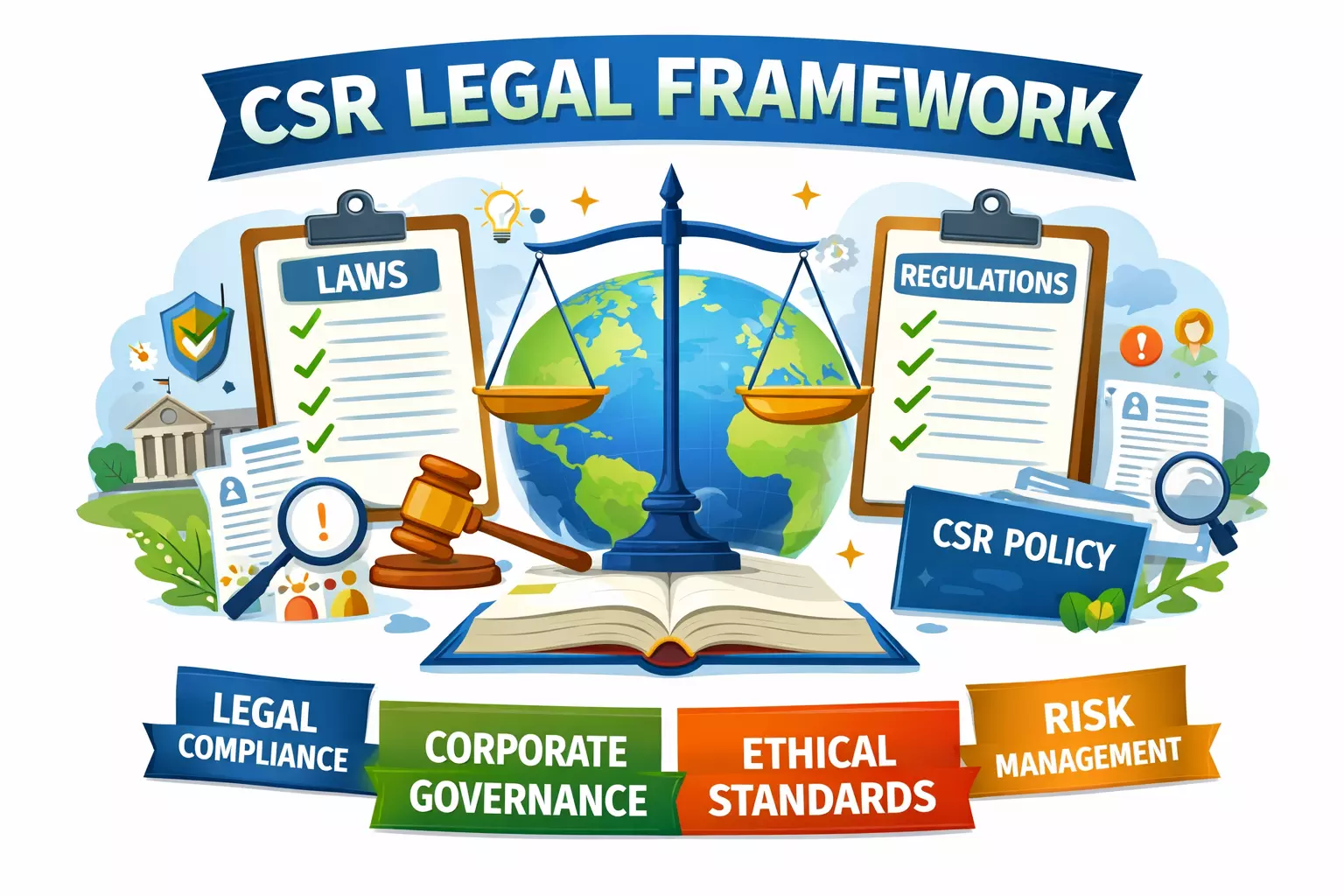
Fiinovation News : Companies & LLP Amendment Bill 2026
In a major step toward strengthening India’s corporate regulatory framework, the Government of India has introduced a new bill aimed at amending existing provisions under company and Limited Liability Partnership (LLP) laws.
The proposed legislation seeks to enhance transparency, simplify compliance procedures, and introduce important changes in Corporate Social Responsibility (CSR) norms—an area that has gained significant importance in recent years.
This development, highlighted by Fiinovation News , reflects the government’s ongoing efforts to modernize corporate governance structures and align them with global standards.
The bill is expected to impact a wide range of stakeholders, including corporations, LLPs, investors, and CSR practitioners.
Understanding the Proposed Amendments
The newly introduced bill focuses on updating the legal framework governing companies and LLPs to address emerging challenges in today’s dynamic business environment.
It proposes amendments to the Companies Act, 2013 and the Limited Liability Partnership Act, 2008, with the aim of making compliance more efficient and reducing regulatory burdens.
Key highlights of the bill include :
Simplification of Compliance Procedures: The government aims to reduce the complexity of regulatory filings and approvals, making it easier for businesses to operate.
Decriminalization of Minor Offences: Certain non-serious violations may be shifted from criminal penalties to civil penalties, promoting ease of doing business.
Digitalization of Processes: Encouraging the use of technology for filings, record-keeping, and regulatory oversight.
Strengthening Governance Standards: Enhancing accountability mechanisms for companies and LLPs.
These measures are designed to create a more business-friendly environment while maintaining robust oversight and accountability.
Proposed Changes in CSR Norms
One of the most significant aspects of the bill is its focus on revising CSR norms. India has been a pioneer in mandating CSR spending , and the evolving regulatory landscape continues to shape how organizations approach social responsibility.
The proposed changes aim to:
Enhance Transparency in CSR Reporting: Companies may be required to provide more detailed disclosures about their CSR activities, outcomes, and fund utilization.
Improve Impact Assessment Mechanisms: There could be increased emphasis on measuring the effectiveness of CSR initiatives through structured evaluation frameworks.
Streamline CSR Compliance: Simplifying reporting formats and procedures to reduce administrative burden while ensuring accountability.
Encourage Strategic CSR Investments: Promoting long-term, sustainable projects over short-term or fragmented initiatives.
These updates are expected to encourage companies to adopt a more strategic and impact-driven approach to CSR, aligning their initiatives with broader social and environmental goals.
Impact on the Corporate Sector
The introduction of this amendment bill is likely to have a significant impact on the corporate ecosystem in India.
By simplifying compliance requirements and reducing legal complexities, the government aims to boost investor confidence and support business growth.
For companies and LLPs, the proposed changes mean:
- Easier regulatory compliance and reduced risk of penalties
- Greater clarity in legal provisions and reporting standards
- Increased focus on ethical governance and transparency
- Opportunities to strengthen their CSR strategies and demonstrate social impact
- For startups and small businesses operating as LLPs, these reforms could be particularly beneficial, as they address long-standing concerns related to regulatory burden and operational flexibility.
Implications For CSR and ESG Landscape
The proposed amendments are also expected to influence the broader CSR and Environmental, Social, and Governance (ESG) landscape.
With growing global emphasis on sustainability and responsible business practices, companies are under increasing pressure to demonstrate measurable impact.
By introducing stricter reporting requirements and encouraging impact assessment, the bill aligns with global trends in ESG reporting.
Tools such as Social Return on Investment (SROI) and other evaluation frameworks are likely to gain more prominence as organizations strive to meet regulatory expectations.
This shift will not only enhance accountability but also help organizations identify areas where their CSR initiatives can create the most value.
As a result, CSR is expected to evolve from a compliance-driven activity to a strategic function that contributes to long-term business sustainability.
Read: Breaking News in India Today: What's Happening Right Now
Industry Perspective and Expectations
The introduction of the amendment bill has been welcomed by many industry experts and corporate leaders, who see it as a positive step toward modernizing India’s corporate laws.
However, some stakeholders have also emphasized the need for careful implementation to ensure that the proposed changes achieve their intended objectives without creating new challenges.
Experts believe that the success of these reforms will depend on how effectively they balance regulatory oversight with ease of doing business. Clear guidelines, stakeholder consultation, and robust implementation mechanisms will be crucial in this regard.
Conclusion
The Government of India’s move to introduce a bill amending company and LLP laws marks a significant milestone in the evolution of the country’s corporate regulatory framework.
With a strong focus on simplifying compliance, enhancing governance, and refining CSR norms, the proposed legislation has the potential to reshape how businesses operate and contribute to society.
As highlighted by Fiinovation News , staying updated on these developments is essential for organizations looking to remain compliant and competitive in a rapidly changing environment.
The proposed changes in CSR norms, in particular, underscore the growing importance of accountability, transparency, and measurable impact in corporate social responsibility.
Going forward, businesses, CSR professionals, and policymakers will need to closely monitor the progress of this bill and prepare for its implementation.
By proactively adapting to these changes, organizations can not only ensure compliance but also strengthen their role as responsible contributors to sustainable development.
In an era where corporate success is increasingly linked to social impact, these reforms represent an important step toward building a more transparent, accountable, and sustainable business ecosystem in India.