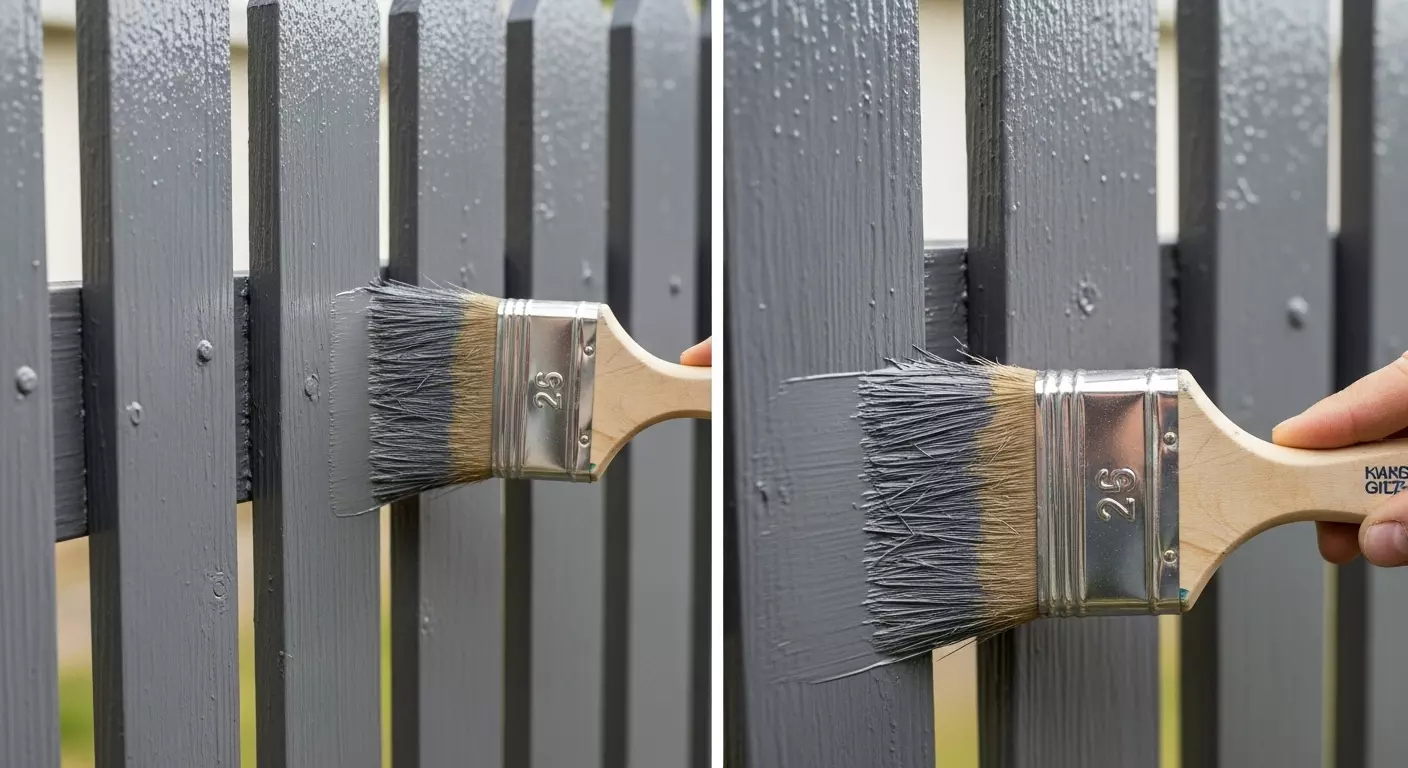
What are the tips for successfully painting a wood fence?
Painting a wood fence starts with proper preparation, priming, and applying multiple coats with attention to detail. Begin by washing off all dust and loose paint, replacing any rotted wood, applying tar between joints to deter termites, and filling cracks and holes with a durable fix-all.
Prime all new wood, paint both sides to prevent warping, and use galvanized nails to ensure longevity. These steps, combined with careful application whether by brush or sprayer create a fence that looks impeccable and lasts for years.
Now, let's explore the process in depth, covering every essential step from preparation to finishing, along with practical tips for painting decks as well.
Why Proper Preparation Matters
Preparation is the foundation of a long-lasting paint job. Start by cleaning your fence or deck thoroughly. Use a hose or pressure washer to remove dust, dirt, and peeling paint. Inspect the wood carefully, replacing any sections that are too rotted to repair. For minor damage, fill holes and cracks with fix-all and smooth the surface with a sanding sponge. Applying tar between joints is an extra protective measure against termites, especially for older wooden structures.
Read: Painting Services: Transforming Homes with Color Inside and Out
Choosing the Right Materials
The quality of paint and primer directly affects durability and appearance. Exterior paint with built-in primer is ideal for both fences and decks. This type of paint seals the wood, provides better coverage, and resists weathering. For new wood, apply three coats of paint to ensure full protection. Always select paint specifically formulated for outdoor use, as it withstands sun, rain, and seasonal changes better than standard indoor paint.
Techniques for Painting Fences
Deciding between a brush and a sprayer depends on the type of wood and previous treatment. Porous wood benefits from brushing or rolling, as it allows the paint to penetrate deep, ensuring longevity. For previously painted fences, spraying can save time, although it often uses more paint. Regardless of the method, never skip painting both sides of the boards, unpainted sides absorb moisture and lead to warping.
Fixing and Reinforcing Wood
Addressing rotted posts is crucial for structural integrity. Three-foot metal reinforced stakes can stabilize posts, and using exterior galvanized nails ensures durability. Apply paint to stakes and nails to extend their life. For minor cracks or holes, fix-all is water-resistant and can be smoothed immediately after application with a sanding sponge. Always finish by painting repaired areas with exterior paint to maintain a uniform look.
Deck Painting Tips
Decks require similar care, but with added focus on foot traffic durability. Begin with thorough cleaning to remove dirt, moss, or mildew. Sand rough spots lightly to create a smooth surface. Choose high-quality exterior deck paint that offers both primer and topcoat protection. For boards prone to heavy wear, consider applying two coats to enhance protection and aesthetics. Ensure paint is applied evenly along the grain to prevent peeling and achieve a professional finish.
Maintaining Your Fence and Deck
Regular maintenance keeps your investment looking fresh and protects the wood from damage. Inspect surfaces annually, touch up areas where paint has worn, and clean debris or mildew promptly. Applying a sealant every few years can prolong the life of your paint job, reduce moisture penetration, and keep wood looking vibrant.
Conclusion
Successfully painting a wood fence or deck is more than just applying color. It requires careful preparation, the right materials, and attention to detail in application. By following these tips from washing and priming to using galvanized nails and painting both sides you can create a durable, visually appealing outdoor space. Final Touch Paint & Décor combines expertise with quality materials to ensure every project stands the test of time.
FAQs
How often should I repaint my wood fence?
Typically, wood fences require repainting every three to five years, depending on weather exposure and paint quality. Regular touch-ups can extend this timeframe.
Can I paint over old paint without sanding?
Yes, if the old paint is in good condition and firmly adhered. Remove any loose or peeling paint first, then apply primer and paint as needed.
Should I paint both sides of a fence?
Always. Painting only one side can lead to warping due to moisture absorption. Both sides must be coated for long-term stability.
Is it better to brush or spray the paint?
Porous or new wood benefits from brushing, as it allows the paint to penetrate deeply. Spraying is faster for previously painted surfaces but may use more paint.
What is the best paint for decks and fences?
Exterior paint with built-in primer is ideal. It seals the wood, resists weather, and provides long-lasting color.