Fast-Acting Burn Treatment Tips for Immediate Care
Burns are among the most painful and potentially serious injuries that can occur in everyday life. Whether from hot liquids, flames, chemicals, or electrical sources, burns require immediate and proper care to prevent complications and promote healing. Understanding how to respond quickly and effectively to burn injuries can make the difference between a minor inconvenience and a serious medical emergency.
At Pills4cure, an online pharmacy in the USA that has been serving patients for 5 years, we understand the importance of accessible healthcare solutions. Our commitment to providing cheap medicine options has helped countless individuals manage their pain and recovery needs effectively. When it comes to burn treatment, having the right knowledge and access to proper pain management medicine can significantly impact your recovery journey.
This comprehensive guide will walk you through essential burn treatment protocols, helping you understand different types of burns, immediate care steps, and when to seek professional medical attention.
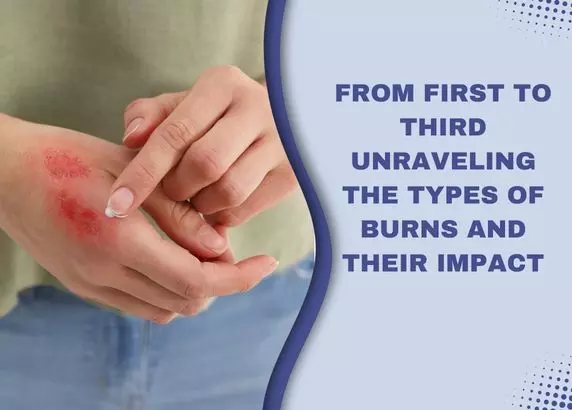
Understanding Types of Burns
Burns vary in severity, impacting the skin and underlying tissues differently, often requiring pain management medicine and pain reduction strategies tailored to their degree. Effective pain management medicine and pain reduction techniques are critical, especially for second- and third-degree burns, to alleviate suffering and support recovery.
First-Degree Burns
First-degree burns affect only the outer layer of skin (epidermis). These burns typically cause redness, mild swelling, and pain similar to a sunburn. The skin remains intact, and healing usually occurs within 3-5 days without scarring.
Common causes:
- Brief contact with hot objects
- Mild sunburn
- Steam exposure
- Hot liquids (brief contact)
Second-Degree Burns
Second-degree burns penetrate deeper, affecting both the epidermis and part of the dermis. These burns are characterized by blisters, severe pain, swelling, and a wet appearance. Healing can take 2-6 weeks and may result in scarring.
Characteristics:
- Blistering within hours
- Intense pain and sensitivity
- Red, wet, or shiny appearance
- Possible infection risk
Third-Degree Burns
Third-degree burns are the most severe, destroying all layers of skin and potentially affecting underlying tissues, muscles, and bones. These burns may appear white, brown, or charred and often require immediate emergency medical attention.
Critical features:
- No pain initially (nerve endings destroyed)
- Leather-like texture
- White, brown, or black coloration
- Requires immediate hospitalization
Immediate Burn Treatment Steps
Cool Water Treatment
The first and most crucial step in treating burns is cooling the affected area. Run cool (not ice-cold) water over the burn for 10-15 minutes. This helps reduce tissue damage and provides immediate pain relief.
Remove Heat Sources
Quickly but carefully remove any clothing or jewelry near the burned area before swelling begins. If clothing is stuck to the burn, do not attempt to remove it yourself.
Protect the Wound
Cover the burn with a clean, dry cloth or sterile gauze. Avoid using cotton balls or materials that might stick to the wound.
Pain Management & Treatment
Immediate pain relief is crucial for burn victims. Over-the-counter pain medications like ibuprofen or acetaminophen can help manage discomfort. For severe burns, prescription pain management medicine may be necessary under medical supervision.
Advanced Pain Management Medicine Options
Topical Pain Relief Treatments
Topical anesthetics containing lidocaine or benzocaine can provide localized pain reduction for minor burns. These treatments work by numbing the affected area temporarily.
Oral Medications
For moderate to severe burn pain, oral pain management medicine includes:
- NSAIDs (Non-steroidal anti-inflammatory drugs)
- Acetaminophen
- Prescription opioids (for severe cases)
Professional Pain Management & Treatment
Severe burns may require specialized pain management approaches including:
- IV medications
- Nerve blocks
- Continuous pain management protocols
Precautions and Safety Measures
What NOT to Do
- Never apply ice directly to burns as this can cause further tissue damage
- Avoid butter, oils, or home remedies which can trap heat and increase infection risk
- Don't break blisters as this increases infection risk
- Never use cotton balls directly on burns as fibers can stick to the wound
When to Seek Emergency Care
Seek immediate medical attention for:
- Third-degree burns of any size
- Second-degree burns larger than 2-3 inches
- Burns on face, hands, feet, or genitals
- Chemical or electrical burns
- Signs of infection (fever, increased pain, pus)
- Burns in elderly patients or young children
Prevention Strategies
- Install smoke detectors and check batteries regularly
- Keep water heater temperature below 120°F (49°C)
- Use oven mitts and pot holders consistently
- Store chemicals safely away from children
- Practice fire safety and escape plans
Long-term Care and Recovery
Wound Care Management
Proper wound care is essential for preventing infection and promoting healing. This includes regular cleaning, appropriate dressing changes, and monitoring for signs of complications.
Scar Prevention
Early intervention with moisturizers, silicone sheets, and proper wound care can minimize scarring. Severe burns may require physical therapy or reconstructive surgery.
Psychological Support
Burn injuries can be traumatic experiences. Consider counseling or support groups if you're struggling with anxiety, depression, or post-traumatic stress following a burn injury.
Pain Relief Treatments: A Comprehensive Approach
Immediate Pain Reduction Strategies
Effective pain reduction begins immediately after the burn occurs. Cool water therapy remains the gold standard for initial pain management, followed by appropriate medication protocols.
Multi-Modal Pain Management
Successful burn pain management often requires a combination of treatments:
- Topical anesthetics for localized relief
- Oral medications for systemic pain control
- Environmental modifications (cool, humid air)
- Distraction techniques and relaxation methods
Long-term Pain Management & Treatment
Chronic pain from severe burns may require ongoing pain management medicine and therapies. Work closely with healthcare providers to develop a comprehensive pain management plan tailored to your specific needs.
Frequently Asked Questions (FAQs)
Q: How long should I run water over a burn?
A: Run cool water over the burn for 10-15 minutes. This helps stop the burning process and provides pain relief. Avoid ice water as it can cause additional tissue damage.
Q: When should I see a doctor for a burn?
A: See a doctor immediately for third-degree burns, second-degree burns larger than 2-3 inches, burns on sensitive areas (face, hands, feet, genitals), chemical or electrical burns, or if you notice signs of infection.
Q: What's the difference between first and second-degree burns?
A: First-degree burns affect only the top layer of skin, causing redness and pain like sunburn. Second-degree burns penetrate deeper, causing blistering, severe pain, and a wet appearance.
Q: How long do burns take to heal?
A: First-degree burns typically heal in 3-5 days, second-degree burns take 2-6 weeks, and third-degree burns require extensive medical treatment and may take months to heal completely.
Q: What are signs of burn infection?
A: Watch for increased pain, fever, red streaking from the wound, swelling, warmth around the area, pus or unusual discharge, and foul odor.