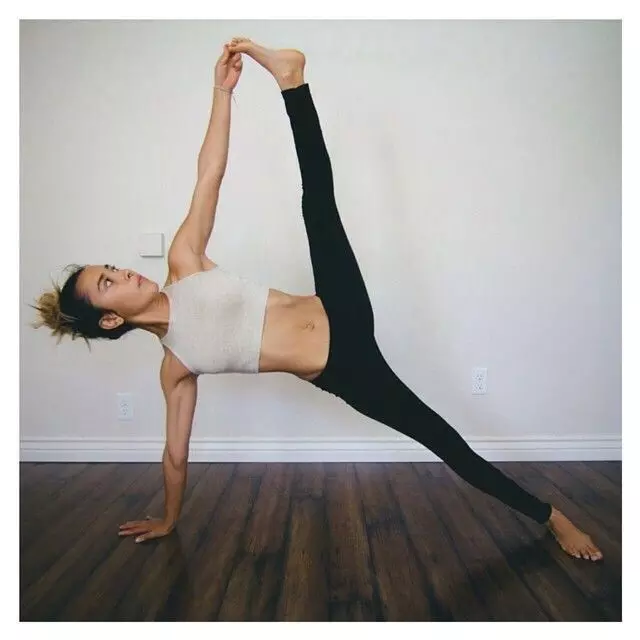
Fallen Star Yoga Pose: Benefits, Steps, and Variations
Introduction
Yoga has long been recognized as a powerful practice for enhancing flexibility, strength, and mental well-being. Among the numerous poses, the Fallen Star Yoga Pose (Patita Tara Asana) is a dynamic posture that combines balance, core engagement, and grace. This pose is an advanced variation of Side Plank Pose (Vasisthasana) and offers numerous physical and mental benefits.
In this article, we will explore the Fallen Star Pose in detail, covering its benefits, step-by-step instructions, variations, common mistakes, and expert tips. Whether you are a seasoned yogi or a beginner looking to challenge yourself, this guide will help you master the pose effectively.
What is the Fallen Star Yoga Pose?
The Fallen Star Pose, also known as Patita Tara Asana, is a variation of the Side Plank Pose.Fallen Star Yoga Pose requires balancing on one arm while extending the opposite leg across the body, creating a star-like shape. This pose enhances core stability, upper body strength, and mental focus.
Key Elements of the Pose:
- Engages core muscles for stability.
- Strengthens arms, shoulders, and wrists.
- Stretches hips and legs.
- Enhances balance and coordination.
- Improves mental focus and resilience.
Step-by-Step Guide to Performing Fallen Star Pose
Step 1: Start in Side Plank (Vasisthasana)
- Begin in a High Plank Position, ensuring your shoulders are stacked over your wrists.
- Shift your weight onto your right hand and roll onto the outer edge of your right foot.
- Stack your left foot over the right and engage your core and glutes to maintain balance.
Step 2: Lift the Top Leg and Extend
- Raise your left leg off the stacked foot.
- Extend it forward across your body while keeping your torso lifted.
- Engage the quadriceps and hamstrings for stability.
Step 3: Open the Chest and Reach the Arm
- Extend your left arm overhead or towards the floor for balance.
- Keep your shoulders aligned and open your chest.
- Maintain steady breathing and keep your gaze steady to improve focus.
Step 4: Hold and Release
- Hold the pose for 5–10 breaths, maintaining balance and strength.
- Slowly return to Side Plank, then to High Plank.
- Repeat on the other side.
Benefits of Fallen Star Pose
1. Enhances Core Strength
The Fallen Star Pose engages the entire core, including the obliques, abdominals, and lower back, leading to improved stability and posture.
2. Strengthens the Upper Body
Balancing on one arm significantly improves shoulder, arm, and wrist strength, reducing the risk of injuries in daily activities and sports.
3. Improves Balance and Coordination
Since this pose requires controlled movement, it enhances body awareness, stability, and coordination.
4. Deepens Flexibility
By extending the top leg forward, hip flexibility improves, which is essential for runners, dancers, and athletes.
5. Encourages Mental Focus
Balancing poses require concentration, making Fallen Star Pose an excellent tool for improving mindfulness and mental clarity.
Common Mistakes and How to Avoid Them
1. Collapsing the Shoulder
- Ensure your supporting shoulder is stacked over the wrist and not sinking.
- Engage the scapular muscles to maintain elevation.
2. Losing Core Engagement
- Activate your core muscles to maintain balance.
- Avoid overarching the lower back.
3. Misalignment of the Legs
- Keep the top leg strong and engaged rather than letting it droop.
- Point the toes and maintain tension in the leg.
4. Improper Breathing
- Focus on steady, rhythmic breathing to maintain balance and endurance.
Variations and Modifications
1. Beginner Variation
- Perform Side Plank Pose without extending the leg.
- Keep the top foot resting lightly on the bottom leg.
2. Advanced Variation
- Extend the top arm over the head for a deeper stretch.
- Hold the extended foot with the top hand for an extra challenge.
3. Using Props
- Place a yoga block under the supporting hand for additional stability.
- Practice near a wall for balance support.
Tips for Mastering Fallen Star Pose
- Warm up properly: Engage in hip openers and wrist stretches before attempting this pose.
- Use a focal point: Keep your gaze on one spot to enhance stability.
- Engage the whole body: Activate the arms, core, and legs for full-body engagement.
- Progress gradually: Start with Side Plank before incorporating the full extension.
Conclusion
The Fallen Star Yoga Pose is a powerful asana that challenges balance, strength, and flexibility. By incorporating this pose into your routine, you can enhance your core stability, improve upper body strength, and deepen your yoga practice. With consistent effort and mindful alignment, you will master this pose and reap its many benefits.
FAQs
1. Is Fallen Star Pose suitable for beginners?
Fallen Star Pose is an intermediate-to-advanced pose. Beginners should start with Side Plank before progressing.
2. What are the best warm-ups for this pose?
Plank variations, shoulder stretches, and hip openers are excellent preparations for Fallen Star Pose.
3. How long should I hold the pose?
Holding the pose for 5–10 breaths is recommended, gradually increasing as strength improves.
4. Can this pose help with arm strength?
Yes, it significantly strengthens the shoulders, arms, and wrists.
5. How often should I practice this pose?
Practicing 3–4 times per week will help build strength, balance, and flexibility.