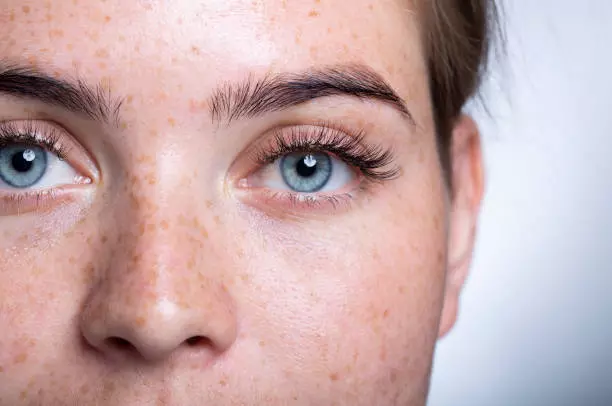
Eyelash Hair Transplant in Dubai for People With Glasses
People who wear glasses every day may wonder whether their frames will affect recovery after Eyelash Hair Transplant in Dubai.
Glasses are often part of a person's work routine, driving requirements, or daily comfort, so frame fit and pressure around the eyes are practical details worth discussing before treatment.
Wearing glasses does not automatically prevent someone from considering eyelash restoration. However, the position of the frames, the amount of contact near the eyelids, and any temporary sensitivity after the procedure may influence the aftercare plan.
Why Eyewear Matters During Eyelash Restoration
Glasses rest on the nose and ears, but some frames extend close to the brow or may touch the surrounding skin when the wearer looks down or adjusts the fit. After a procedure near the lash line, unnecessary pressure or friction around the treated area should be avoided.
The relevance of eyewear depends on the individual frame design and the treatment performed. Patients should bring up their usual glasses during consultation, especially if the frames sit close to the eyelids or frequently slide down.
A clinician can explain whether any temporary adjustment or alternative arrangement is appropriate during recovery.
Eyelash Hair Transplant in Dubai and Frame Fit
A useful consultation considers how the frames sit when the patient is in their normal position, not just how they look when held in the hand.
Important details include:
- Whether the upper edge of the frame touches the brow or eyelid area.
- Whether the glasses slide and require frequent adjustment.
- Whether heavy frames press against nearby skin.
- Whether protective eyewear is needed for work or outdoor activities.
- Whether the patient relies on glasses for safe mobility or driving.
Patients should not change their prescription or stop wearing medically necessary glasses without appropriate advice. If the usual frames may interfere with the treated area, ask the clinician how to manage this safely.
Planning Recovery Around Work and Daily Activities
Some people need their glasses throughout the day, while others wear them mainly for reading or screen use. This difference can affect how recovery is organized.
Before treatment, explain your daily requirements and ask whether any temporary precautions are necessary. If your work involves prolonged screen use, frequent travel, or environments where protective eyewear is required, include these details in the discussion.
Do not assume that contact lenses are automatically a suitable substitute. Their use may need separate consideration, particularly if the clinician recommends avoiding them temporarily or if you have existing eye conditions.
Contact Lenses as an Alternative
Contact lenses may offer an alternative for some glasses wearers, but they are not appropriate for everyone. The timing of insertion and removal should be discussed with the treating clinician because handling the eyelids may be restricted during recovery.
If you have dry eyes, contact lens intolerance, or a history of eye irritation, explain this before treatment. Do not switch to contact lenses solely to avoid wearing glasses without confirming that doing so is appropriate.
If you need clear vision for driving or work, make a practical plan before your procedure rather than trying to resolve the issue afterward.
Protecting the Treated Area During Recovery
Aftercare should prioritize the clinician's instructions. Avoid adjusting glasses in a way that rubs the eyelids or disturbs the treated area. If frames repeatedly touch a sensitive area, contact the clinic for guidance.
Other useful precautions may include:
- Keeping the written aftercare instructions accessible.
- Confirming whether your usual glasses can be worn immediately after treatment.
- Asking how to manage sunglasses and other eyewear.
- Avoiding unapproved creams or products where frames rest against the skin.
- Reporting unexpected discomfort rather than repeatedly adjusting the frames.
These steps are general planning considerations, not a replacement for individualized medical instructions.
What About Sunglasses and Outdoor Use?
Sunglasses can be useful for managing bright light, but the fit should be comfortable and should not press against the healing area. The clinician can advise when outdoor activities and particular types of eyewear are appropriate.
If your job or routine requires safety goggles, sports glasses, or other close-fitting equipment, mention this during the consultation. Some equipment may need to be avoided or modified temporarily depending on the treatment and recovery progress.
Do not compromise eye protection in a setting where it is required. Ask the treating clinician how to coordinate recovery precautions with workplace or activity-related safety needs.
Clinic note: Patients who depend on glasses should discuss frame fit and daily visual requirements before eyelash transplantation. The appropriate plan depends on the procedure, the eyewear design, and individual recovery.
Discuss Your Eyewear Needs at Tajmeels Clinic
If you wear glasses throughout the day, include this in your eyelash restoration consultation. Discuss your frame fit, contact lens options, work requirements, and any existing eye conditions so that recovery planning reflects your routine.