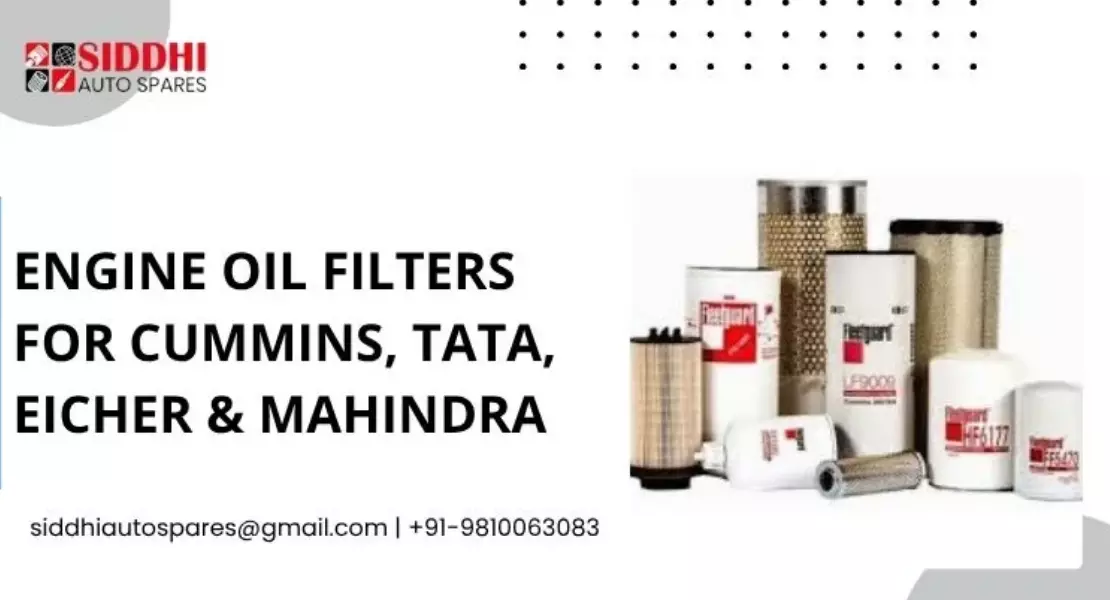
Extend Engine Life: Choosing the Right Oil Filter for Your Car
Every car owner knows that regular oil changes are essential for a healthy engine, but one component that often gets overlooked is the oil filter. This small yet vital part plays a critical role in keeping your engine clean and running efficiently. Without a reliable oil filter, even the highest-quality motor oil can fail to protect your engine from wear and damage. If you're looking to extend the life of your engine, choosing the right oil filter is just as important as the oil itself.
In this comprehensive guide, we’ll explore how oil filters work, why they matter, what features to look for, and which types are best suited for your car and driving habits.
What Does an Oil Filter Do?
Before we get into how to choose the right oil filter, it’s important to understand what it actually does. As engine oil circulates through your engine, it collects debris, metal particles, dirt, and carbon deposits. The oil filter traps these contaminants and prevents them from circulating, ensuring the oil remains clean and effective.
Clean oil reduces friction, lowers engine temperature, and minimizes wear on internal components. Without a properly functioning oil filter, the oil can become saturated with particles that lead to engine damage, sludge buildup, and even premature engine failure.
Why the Right Oil Filter Matters
Choosing the right oil filter does more than just maintain your engine—it extends its lifespan, improves fuel efficiency, and supports long-term vehicle reliability. A poor-quality or mismatched filter can:
- Allow debris to bypass the filter media
- Clog quickly, reducing oil flow
- Leak due to weak seals or housing
- Cause cold-start problems due to failed anti-drain-back valves
On the other hand, the right oil filter will enhance your engine’s performance, protect it during high-stress conditions, and keep it cleaner between oil changes.
Types of Oil Filters
There are several types of oil filters on the market. Understanding each one will help you make a smarter choice.
1. Full-Flow (Primary) Oil Filters
Most modern cars use full-flow filters, which allow all the engine oil to pass through the filter media before reaching engine components. These are designed for cold weather and high flow rates.
2. Secondary Oil Filters
These are additional filters that process a small amount of oil at a time, providing extra cleaning. They’re usually found in high-performance or heavy-duty applications.
3. Cartridge Oil Filters
Cartridge filters contain only the filter element and are installed in a permanent housing. They're more environmentally friendly and are making a comeback in newer car models.
4. Spin-On Oil Filters
These are the most common type and include both the filter media and the metal housing. They’re easy to install and widely available.
Key Features to Consider When Choosing an Oil Filter
To choose the right oil filter for your car, consider the following important features:
1. Filtration Efficiency
Look for filters that capture at least 95% of contaminants as small as 20–30 microns. Premium filters can filter down to 10 microns or less with over 99% efficiency.
2. Filter Media Type
- Cellulose: Inexpensive and effective for short intervals
- Synthetic: High-efficiency and longer-lasting
- Blend: A mix of both, offering good value and performance
3. Anti-Drain-Back Valve
This valve prevents oil from draining back into the oil pan when the engine is off, helping to ensure lubrication at startup. Silicone valves last longer than rubber ones.
4. Bypass Valve
If the filter clogs, the bypass valve opens to allow oil to flow. This prevents engine starvation and is especially important in cold climates or with dirty oil.
5. Construction Quality
Look for a sturdy metal housing, reliable base plates, and good internal seals. Cheap filters can collapse or burst under pressure.
6. Vehicle Compatibility
Always refer to your vehicle’s owner’s manual or use a verified filter lookup tool to ensure the filter matches your engine's specifications.
Top Oil Filter Brands to Consider
Here are some trusted oil filter brands known for quality, durability, and engine protection:
1. Mobil 1 Extended Performance
- Up to 99.6% efficiency
- Synthetic media for long oil change intervals
- Ideal for synthetic oils and extended performance
2. Bosch Premium FILTECH
- Enhanced filter area and thickness
- Excellent for conventional and synthetic oils
- Affordable yet dependable
3. FRAM Ultra Synthetic
- Dual-layer synthetic media
- 20,000+ km oil change support
- Great for high-mileage vehicles
4. Purolator ONE
- 99% dirt removal
- Ideal for mixed driving and synthetic oil
- Affordable and reliable for regular use
5. K&N Performance Gold
- High flow rate for performance engines
- Sturdy construction with easy removal nut
- Suited for modified or turbocharged vehicles
Choosing the Right Filter Based on Your Driving Habits
Your driving style and environment significantly influence which oil filter is best for your car:
Daily City Commuting
- Frequent start-stop driving
- Short distances
- Needs a filter with strong anti-drain-back and reliable media
Recommendation: FRAM Extra Guard or Purolator ONE
Long Highway Drives
- Constant engine speeds
- Longer intervals between oil changes
Recommendation: Mobil 1 Extended Performance or Bosch Premium
Performance Driving or Towing
- High RPMs and engine stress
- Requires high-pressure durability and flow
Recommendation: K&N Performance or WIX XP
Cold Weather Driving
- Thick oil at startup
- Critical need for anti-drain-back valves
Recommendation: Filters with silicone valves like Mobil 1 or STP Extended Life
How Often Should You Change Your Oil Filter?
For most cars, it’s recommended to replace the oil filter with every oil change, which typically occurs every 8,000 to 16,000 kilometers, depending on the oil type and driving conditions. Using synthetic oil and a high-end filter may allow for longer intervals, but always refer to your car’s manufacturer guidelines.
Signs you may need an oil filter change sooner include:
- Drop in oil pressure
- Unusual engine noise
- Sludge in engine oil
- Dark or gritty oil on dipstick
DIY Oil Filter Installation Tips
If you’re handling oil changes yourself, here are a few tips for installing the filter properly:
- Use the right filter size for your engine.
- Lubricate the gasket with clean oil before installation.
- Hand-tighten the filter—don’t overtighten it.
- Double-check for leaks after running the engine briefly.
Installing a new oil filter is quick, affordable, and crucial for effective engine maintenance.
Conclusion
Choosing the right oil filter may seem like a small detail, but it has a big impact on your engine’s health and longevity. With the proper filter, you not only protect your engine from harmful contaminants but also ensure smooth operation, better fuel economy, and fewer mechanical issues over time.
When selecting an oil filter, consider your driving habits, the type of oil you use, and your vehicle’s specifications. Whether you go for a premium option like Mobil 1 Extended Performance or a reliable budget filter like Purolator ONE, the key is to choose a filter that matches your engine’s needs and helps you get the most out of every oil change.
By making the right choice, you're investing in the long-term performance and durability of your car’s engine—a small decision today that pays off for years to come.