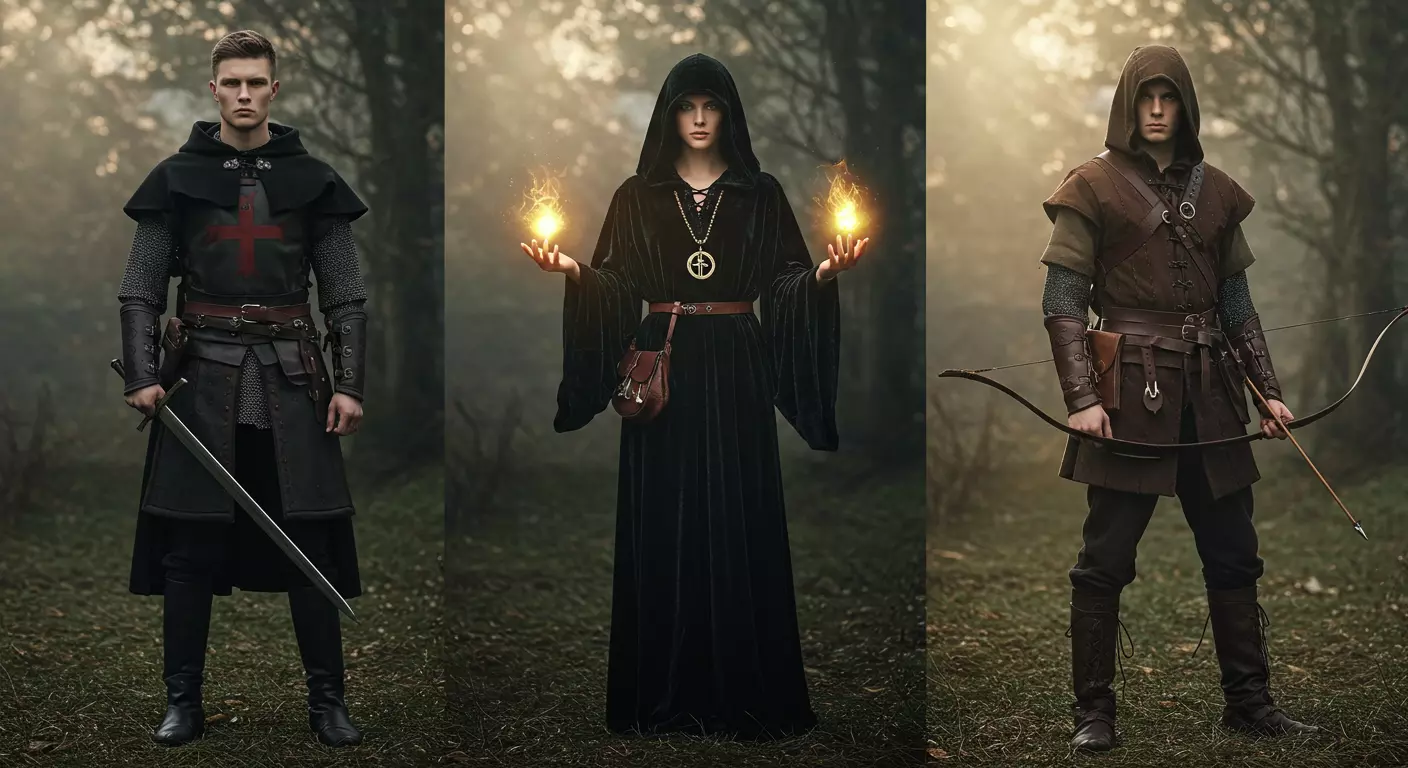
Exploring the World of Medieval Fashion: Cloaks, Armor & Leather Style
Medieval fashion is more than historical attire—it’s a gateway to storytelling, fantasy, and immersive experiences. Whether you're a passionate LARPer, fantasy cosplayer, or Renaissance fair enthusiast, medieval costumes allow you to embody characters of legend and lore.
In this guest post, we’ll explore the timeless elements of medieval costume design—from leather armor and flowing cloaks to handcrafted accessories—and provide insights into creating a memorable look rooted in both history and imagination.
If you want to go deeper into the practical guide for building a full medieval outfit, check out this excellent resource:
👉 Medieval Costumes Guide: Armor, Cloaks & Leather Wear
🏹 Why Medieval Fashion Captures the Imagination
There’s a reason the medieval aesthetic continues to dominate pop culture—from epic fantasy films and TV shows to open-world RPGs and comic conventions.
Key reasons medieval fashion is still popular:
- It’s visually powerful: From armor to royal cloaks, medieval outfits stand out.
- Rich storytelling potential: You can be a knight, rogue, noble, or witch.
- Versatile for events: Great for cosplay, festivals, LARP, reenactments, and Halloween.
- Blends history with fantasy: Authentic elements merge beautifully with creative reinterpretations.
🔥 The Core Pieces of a Medieval Costume
Let’s look at the foundational components you’ll need to assemble a proper medieval outfit—authentic, fantasy, or hybrid.
1. Tunic & Undergarments
- The base of any medieval look.
- Made from wool, linen, or cotton.
- Layered with surcoats or jerkins for nobles or knights.
2. Cloaks & Capes
- Instantly elevate a costume.
- Hooded styles for mystery; fur-trimmed for royalty or warriors.
- Can be plain for monks or richly embroidered for nobility.
3. Leather Armor
- Adds realism, durability, and fantasy flair.
- Includes chestplates, pauldrons, bracers, and greaves.
- Leather is lighter than metal but equally stylish.
Learn more about cloaks, armor types, and how to wear them:
👉 Ultimate Medieval Costume Guide
4. Accessories & Footwear
- Leather belts, boots, gloves, and satchels complete the look.
- Symbolic items (daggers, scrolls, horns) add narrative.
- Jewelry and metal accents signify class or magical affinity.
🎭 Medieval Character Costume Ideas
If you're unsure where to begin, here are character themes and how to build their outfit using cloaks, armor, and leather wear:
🔹 The Noble Knight
- Polished leather chestplate
- Blue or red surcoat
- Fur-lined cloak with crest pin
- Sword belt, tall leather boots
🔹 The Dark Ranger
- Studded leather armor
- Hooded green or black cloak
- Crossbody belt with pouch and dagger
- Fingerless gloves, boots
🔹 The Witch or Alchemist
- Long robe or tattered cloak
- Layered leather belts with vials
- Pendant necklace, staff, runes
- Mismatched gloves, leather pouches
🔹 The Rogue Assassin
- Black leather armor or jerkin
- Shadowy hooded cloak
- Daggers strapped across chest or thigh
- Minimalist boots for silent movement
🔹 The Forest Elf
- Leaf-toned cloak
- Light leather bracers and chest wrap
- Elven circlet, bow and arrows
- Embossed boots and gloves
🧥 Why Leather is Essential for Medieval Costumes
Leather isn’t just for armor—it plays a major role in medieval fashion overall.
Benefits of leather in costume design:
- Durability: Withstands wear at festivals or LARP events.
- Visual richness: Adds texture and depth.
- Customizable: Can be embossed, weathered, dyed, or reinforced.
- Fantasy friendly: Blends perfectly into both dark and high fantasy looks.
At Creed Leather, all pieces are handmade from real leather, crafted for cosplayers and reenactors who demand quality and uniqueness.
⚒️ Building a Realistic Medieval Costume (Step-by-Step)
If you're starting from scratch, here’s a simple 5-step guide to creating an authentic medieval look:
- Start with a tunic or long shirt
- Natural fabrics like linen or wool make a great foundation.
- Add a cloak for character
- Pick a hooded cloak for stealth or fur-lined for prestige.
- Layer with leather armor or a jerkin
- Choose a piece that fits your character’s purpose—fighter, traveler, mage, etc.
- Use functional belts and boots
- A good belt can carry props (scrolls, pouches, weapons), while boots ground the look.
- Accessorize with intent
- Think like your character. What do they carry? What do they fear or worship?
⚔️ Where to Wear Medieval Costumes
Modern medieval fashion is worn in more places than you might think. Here’s where to show off your outfit:
- Renaissance Fairs
- Cosplay Conventions
- Historical Reenactment Events
- Fantasy-Themed Weddings
- LARP Adventures
- Themed Photoshoots
- Halloween or Fantasy Parties
For outfit tips and breakdowns of character archetypes, read this detailed blog:
👉 Medieval Costumes Guide: Armor, Cloaks & Leather Wear
🌿 Medieval vs. Fantasy: Blending Styles
Not all medieval costumes have to be historically accurate. In fact, the best designs often mix real-world medieval inspiration with fantasy elements:
Historical Element Fantasy Enhancement Wool Tunic Elven embroidery Chainmail or leather Magic runes or dragon scales Fur cloak Mystical symbols or charms Sword belt Wand holster or scroll case Blend styles to suit your vision. That’s the magic of cosplay and fantasy roleplay.
🧽 Caring for Your Medieval Costume
To keep your costume lasting for years:
Leather
- Use leather balm or oil to prevent drying or cracking.
- Store in cool, dry space. Avoid folding.
Cloaks & Robes
- Dry clean wool or velvet cloaks.
- Hang in breathable garment bags.
Accessories
- Keep metal pieces rust-free with occasional polishing.
- Store props and belts separately to avoid creasing leather.
❓ FAQ: Medieval Costumes & Leather Armor
Q1: Is leather armor historically accurate?
Yes—brigandines and jerkins were used in the late Middle Ages. Today, leather is also perfect for fantasy adaptations.
Q2: What’s the best medieval outfit for beginners?
A tunic, leather belt, cloak, and boots. Add accessories based on your character (e.g., pouch, dagger, scroll).
Q3: Can I wear my costume at more than one event?
Absolutely! Mix and match pieces to create new characters. Swap cloaks, tunics, and belts to refresh your look.
Q4: Where can I get handmade leather costume pieces?
Check out the full costume guide with outfit ideas and handcrafted leather designs here:
✅ Final Thoughts
Whether you’re a knight ready for battle, a rogue lurking in shadows, or a priest whispering incantations, the medieval world is full of creative costume potential. Leather armor, elegant cloaks, and historical layers give your look authenticity and flair.
For more ideas, detailed guides, and handcrafted costume pieces, visit the full blog post: