Everything You Need to Know About Molded Pulp Inserts for Your Business
In today’s competitive market, businesses are constantly seeking sustainable, cost-effective, and protective packaging solutions. One such solution gaining popularity is the molded pulp insert. These inserts are made from recycled paper materials and molded into custom shapes to hold and protect products during shipping and storage. From electronics to fragile items, molded pulp inserts offer a versatile and eco-friendly alternative to traditional packaging materials like plastic and foam.
Using molded pulp inserts not only enhances product safety but also demonstrates a company’s commitment to sustainability. As consumers increasingly prefer eco-conscious brands, adopting molded pulp inserts can positively impact brand perception. Businesses can enjoy the dual benefit of protecting products while reducing their environmental footprint, making molded pulp inserts an essential consideration for modern packaging strategies.
What Are Molded Pulp Inserts?
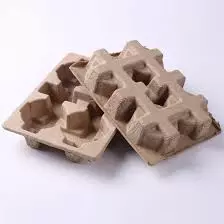
Molded pulp inserts are packaging components created by molding recycled paper pulp into specific shapes designed to fit products securely. This process involves soaking recycled paper, breaking it down into a pulp, and then pressing it into molds to form the desired shape. Once dried, these inserts are lightweight yet strong enough to protect delicate items from damage during transit.
The versatility of molded pulp insert allows them to accommodate various products, from electronics and kitchenware to cosmetics and industrial equipment. Unlike traditional packaging, molded pulp inserts can be custom-designed for unique product dimensions, ensuring a snug fit and reducing the need for additional protective materials. This customization not only prevents product damage but also enhances unboxing experiences for customers.
Benefits of Using Molded Pulp Inserts
One of the primary advantages of molded pulp inserts is their eco-friendliness. Made from recycled materials, these inserts are biodegradable and compostable, making them a sustainable choice for businesses aiming to reduce plastic waste. By switching to molded pulp inserts, companies can significantly lower their environmental impact while appealing to environmentally conscious consumers.
In addition to sustainability, molded pulp inserts are cost-effective. Their lightweight nature reduces shipping costs, and their durability ensures fewer product returns due to damage. Moreover, the manufacturing process can be scaled easily to meet varying business needs, from small startups to large enterprises. Overall, molded pulp inserts offer an ideal balance of protection, affordability, and environmental responsibility.
Industries That Benefit from Molded Pulp Inserts
Several industries have recognized the value of molded pulp inserts. In the electronics sector, these inserts are widely used to secure devices such as smartphones, laptops, and home appliances, preventing scratches and breakage during shipping. The food industry also uses molded pulp inserts for products like eggs and delicate produce, where cushioning is essential to minimize spoilage and damage.
The cosmetic and pharmaceutical industries benefit from molded pulp inserts as well. These inserts can be tailored to hold bottles, jars, and other fragile containers securely in place. Additionally, businesses in industrial manufacturing use molded pulp inserts to protect machinery parts, tools, and other heavy components. The adaptability of molded pulp inserts makes them suitable for virtually any industry requiring safe, eco-friendly packaging.
Read: Key Features of Custom Pre-Roll Boxes
How to Choose the Right Molded Pulp Insert
Selecting the right molded pulp insert involves considering the product’s size, weight, and fragility. Custom molds can be designed to match the exact dimensions of your product, ensuring maximum protection. It is also important to evaluate the thickness and density of the pulp material, as these factors influence the insert’s durability and cushioning ability.
Businesses should also consider their sustainability goals and packaging budgets when choosing molded pulp inserts. Some suppliers offer inserts made from 100% post-consumer recycled paper, while others provide blends to balance cost and strength. Partnering with a reliable supplier who can provide design expertise and quality assurance is crucial for achieving optimal results and maintaining product safety during shipping.
Future Trends in Molded Pulp Inserts
As consumer demand for sustainable packaging grows, the popularity of molded pulp inserts is expected to rise. Innovations in pulp processing and molding techniques are making it possible to create even more complex and lightweight designs, enhancing both product protection and aesthetics. Businesses are exploring ways to use molded pulp inserts not just for protection, but also for branding, incorporating logos and custom shapes into their packaging.
Furthermore, advancements in biodegradable coatings are expanding the applications of molded pulp inserts. These coatings can provide moisture resistance and durability without compromising eco-friendliness, allowing inserts to be used in industries previously limited by environmental factors. With these trends, molded pulp inserts are poised to become a standard solution for businesses seeking sustainable and effective packaging.
Conclusion
Molded pulp inserts are more than just protective packaging—they are a sustainable, versatile, and cost-effective solution for businesses across various industries. By choosing the right molded pulp insert, companies can protect their products, reduce environmental impact, and enhance customer satisfaction. As the world moves toward greener practices, molded pulp inserts are an investment that combines practicality with eco-conscious branding.