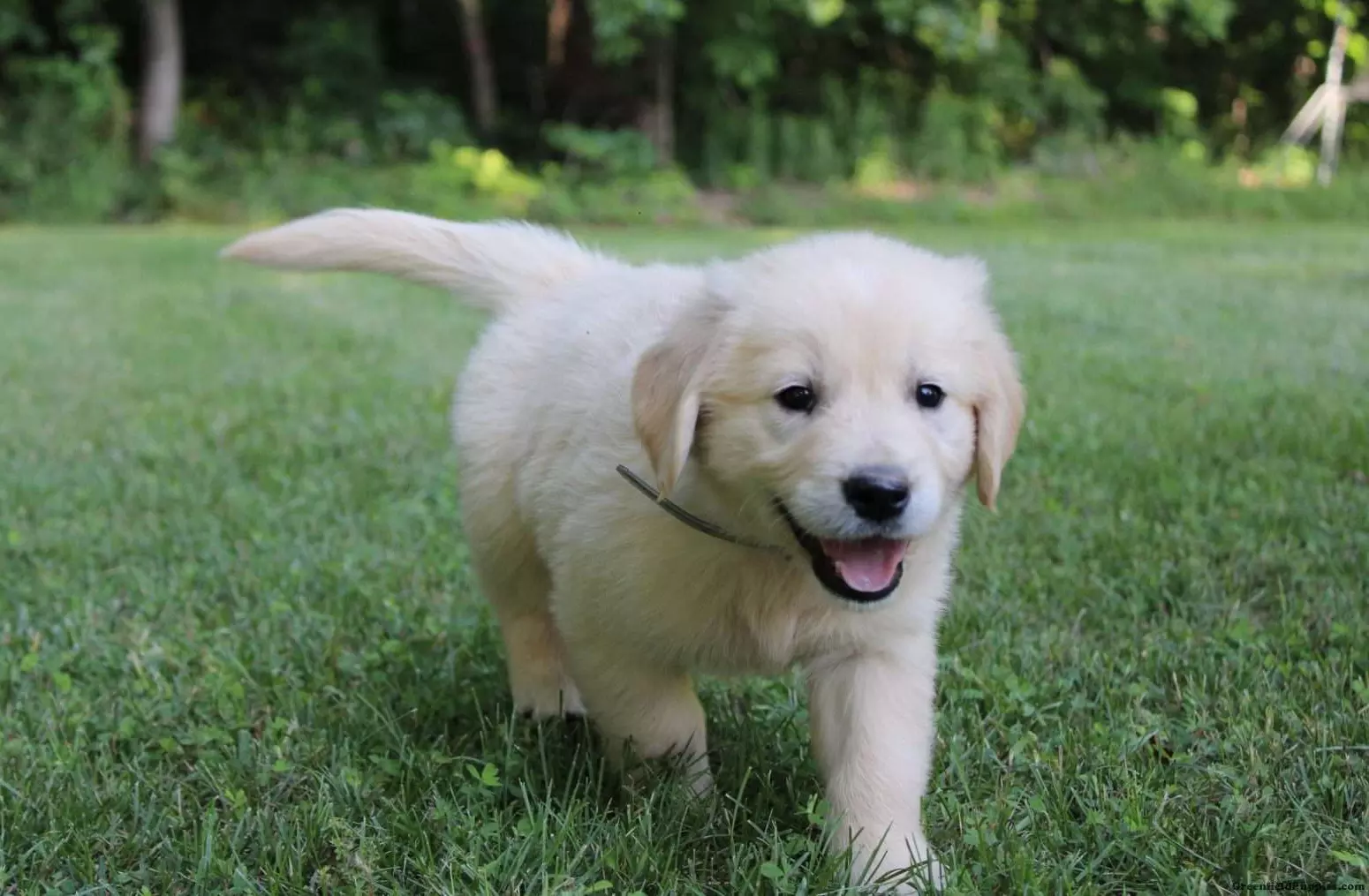
Essential Grooming Tips For Every Golden Retriever Owner
A Golden Retriever’s beautiful coat is more than something to admire—it needs regular care to stay clean, healthy, and comfortable. From shedding seasons to muddy paws, grooming is part of everyday ownership.
For families raising English cream golden retriever puppies, establishing simple grooming habits early can make future care much easier.
With the right routine, owners can protect their dog’s skin, coat, ears, teeth, and overall comfort without making grooming stressful.
Why Regular Grooming Matters for Golden Retrievers
Golden Retrievers have a dense double coat that naturally sheds throughout the year. Their longer outer coat can also collect dirt, leaves, moisture, and other debris, especially around the legs, tail, chest, and ears.
Regular grooming helps remove loose hair and dirt before they become a bigger problem. It also gives owners an opportunity to notice changes in the skin, coat, paws, ears, or body that may need veterinary attention.
For golden retriever puppies, grooming also serves another important purpose: it teaches them that handling can be a normal part of life.
Gentle brushing, touching the paws, checking the ears, and examining the mouth can help young dogs become more comfortable with routine care.
Create a Practical Grooming Schedule
A consistent schedule is easier to maintain than waiting until your dog looks dirty or heavily tangled. The exact routine will vary based on your dog's age, coat, lifestyle, and activity level.
Grooming Task
Suggested Frequency
Main Purpose
Brushing
Several times per week
Remove loose hair and prevent mats
Nail trimming
Every few weeks
Maintain comfortable paw movement
Ear checks
Weekly
Identify dirt, moisture, or irritation
Bathing
When needed
Remove dirt and odors
Teeth cleaning
Ideally daily
Support dental hygiene
Paw inspection
Several times per week
Check for cuts, debris, or irritation
Professional grooming
As needed
Manage trimming and difficult coat areas
Active dogs that spend lots of time outdoors may require more frequent brushing and cleaning. Likewise, dogs with particularly thick coats may need additional attention during heavy shedding periods.
Brush the Coat Regularly
Brushing is one of the most important parts of Golden Retriever grooming. It removes loose fur, distributes natural oils, and helps keep the coat looking neat.
Choose the Right Grooming Tools
A slicker brush can help remove loose hair and work through areas where the coat is thicker. An undercoat rake can be useful during heavy shedding periods, while a metal comb can help check areas such as behind the ears and around the legs for tangles.
Avoid aggressively pulling through knots. If you encounter a difficult mat, work gently from the outer edge rather than forcing the brush directly through it.
Pay Attention to Problem Areas
Some areas collect tangles more easily than others. Check the following locations carefully:
- Behind the ears
- Around the neck
- Under the front legs
- Around the tail
- Behind the back legs
- Between and around the paw pads
A few minutes of regular brushing can prevent small tangles from becoming painful mats.
Manage Seasonal Shedding
Golden Retrievers commonly shed year-round, with heavier shedding periods occurring seasonally. During these times, owners may notice significantly more hair around furniture, clothing, floors, and bedding.
Increasing brushing frequency can help remove loose undercoat before it spreads throughout the house. However, avoid shaving a Golden Retriever's coat unless specifically directed by a veterinarian for a medical reason.
The double coat provides insulation and helps protect the skin. Removing too much of it can interfere with the coat's natural protective function.
Bathe Your Golden Retriever When Necessary
Golden Retrievers can enjoy outdoor adventures, but frequent bathing is not always necessary. Too many baths can remove natural oils from the skin and potentially contribute to dryness or irritation.
Instead, bathe your dog when the coat is genuinely dirty, has an unpleasant odor, or needs cleaning after a particularly messy activity.
Use Dog-Specific Shampoo
Always choose a shampoo formulated for dogs. Human shampoos are not designed around canine skin needs and may cause irritation.
Before bathing, brush the coat thoroughly to remove loose hair and tangles. Use lukewarm water, carefully wet the entire coat, apply the appropriate amount of shampoo, and rinse thoroughly. Shampoo residue left behind can irritate the skin.
Afterward, dry the coat completely. Pay special attention to areas that remain damp for longer, particularly around the ears and dense parts of the coat.
Read: Top-Rated Dog Toys That Are Indestructible and Perfect
Keep the Ears Clean and Dry
Golden Retrievers have floppy ears that can retain moisture. This makes routine ear checks particularly useful, especially after swimming or bathing.
Check the ears weekly for unusual odor, excessive wax, redness, swelling, or discharge. A healthy ear should not have a strong unpleasant smell or obvious irritation.
Avoid Overcleaning
Cleaning too aggressively can irritate the delicate skin inside the ear. Do not insert cotton swabs deep into the ear canal.
If your dog repeatedly scratches an ear, shakes its head, develops an unusual odor, or seems uncomfortable when the ear is touched, contact a veterinarian rather than attempting to treat the problem yourself.
Maintain Healthy Nails
Long nails can affect how a dog stands and walks. They may also become uncomfortable when they press against hard surfaces.
Check your Golden Retriever's nails regularly. If you can hear nails clicking consistently on the floor, it may be time to evaluate their length.
Make Nail Care Less Stressful
Introduce nail handling gradually, especially with young dogs. Touch the paws calmly and reward relaxed behavior before attempting to trim anything.
If you're uncomfortable trimming nails yourself, a veterinarian or professional groomer can handle the task. This is particularly helpful if your dog has dark nails, where identifying the quick can be more difficult.
Practice Good Dental Hygiene
Dental care should be part of a dog's grooming routine rather than an occasional task. Plaque can accumulate on the teeth and contribute to dental disease if it is not managed.
Brushing your dog's teeth regularly with a dog-specific toothbrush and toothpaste can help support oral hygiene. Never use human toothpaste because some ingredients can be harmful to dogs.
For puppies, introduce mouth handling slowly. Let them become comfortable with having their lips and teeth touched before expecting them to tolerate a full brushing session.
Regular veterinary dental examinations are also important because brushing at home does not replace professional assessment.
Keep the Paws Clean and Comfortable
A Golden Retriever's paws can pick up mud, grass, sand, salt, and other debris during walks and outdoor activities. A quick paw inspection after an adventure can prevent small problems from becoming uncomfortable.
Look between the toes and around the paw pads for stones, burrs, cuts, redness, or excessive dryness.
During winter, road salt and ice-melting products can irritate paw pads. Wiping the paws after outdoor walks can help remove residue. In hot weather, avoid prolonged walks on extremely hot pavement because paw pads can burn.
Trim Only Where Appropriate
Golden Retrievers generally do not need extensive haircuts. Their natural coat serves important protective purposes, so routine shaving is unnecessary.
Some light trimming may be appropriate around the feet or areas where excess hair interferes with cleanliness. However, avoid cutting the coat excessively or attempting complicated grooming techniques without proper knowledge.
If your dog's coat has severe mats or requires specialized grooming, a professional groomer can help determine the safest approach.
Introduce Grooming Early
Grooming is easier when a dog learns to accept it from an early age. Young golden retriever puppies can gradually learn that brushing, paw handling, ear checks, and dental care are normal experiences.
Keep early sessions short. A puppy may tolerate only a few minutes at first, and that's fine.
Use Positive Reinforcement
Reward calm behavior with praise, affection, or an appropriate treat. If the puppy becomes overwhelmed, take a short break and try again later.
Avoid turning grooming into a wrestling match. Patience and consistency usually produce better long-term results than forcing a puppy through an uncomfortable session.
Recognize When Professional Help Is Needed
Home grooming can handle many routine tasks, but professional assistance can be valuable when the coat becomes heavily tangled or when an owner is uncomfortable with nail trimming or other detailed care.
A veterinarian should handle concerns involving persistent itching, skin changes, unexplained hair loss, ear problems, unusual odors, painful areas, or other health-related symptoms.
Professional grooming and veterinary care serve different purposes. A groomer can help maintain the coat and general appearance, while a veterinarian evaluates medical concerns.
Make Grooming Comfortable at Home
The grooming environment can make a major difference. Choose a secure, non-slip surface and keep tools within easy reach before starting.
Use calm movements and avoid rushing. If your dog becomes anxious, pause and give it time to settle.
A simple routine might look like this:
- Let your dog relax before grooming.
- Brush the coat gently.
- Check the ears and eyes.
- Inspect the paws and nails.
- Brush the teeth if scheduled.
- Reward calm cooperation.
- Clean and store the grooming tools.
Keeping the process predictable can help your dog understand what to expect.
Keep Grooming Tools Clean
Grooming tools can collect hair, dirt, skin debris, and moisture. Clean brushes, combs, nail tools, and other equipment regularly.
After using brushes, remove trapped hair and wash the tool according to its material and manufacturer's instructions. Allow washable tools to dry completely before storing them.
Clean equipment supports a more hygienic grooming routine and also helps tools work properly.
Adjust Grooming for Your Dog's Lifestyle
Not every Golden Retriever needs exactly the same grooming routine. A dog that spends most of its time indoors may have different needs from one that regularly swims, hikes, or plays outdoors.
For example, a dog that frequently swims may need extra attention to drying and ear care. An active dog that spends time on trails may need more frequent paw and coat inspections.
Age matters, too. Puppies need gentle introduction and patience, while older dogs may need shorter sessions if standing for long periods becomes uncomfortable.
Watch for Changes During Grooming
Grooming provides a useful opportunity to become familiar with your dog's normal appearance. While brushing, look for anything that seems different from usual.
Pay attention to:
- New lumps or bumps
- Red or irritated skin
- Unusual hair loss
- Persistent scratching
- Changes in the ears
- Cracked or injured paw pads
- Parasites or unusual debris
- Areas that appear painful when touched
Not every change is an emergency, but unusual or persistent findings should be discussed with a veterinarian.
Conclusion
Good grooming is not about making a Golden Retriever look perfect every day. It is about keeping the coat clean, the paws comfortable, the ears dry, the nails manageable, and the mouth healthy while helping your dog feel relaxed during routine care.
Start with short, positive sessions and build a consistent schedule around your dog's lifestyle.
For owners raising golden retriever puppies, early grooming practice can make these habits easier for years to come.
With regular brushing, sensible bathing, dental care, nail maintenance, and routine health checks, grooming can become a simple and rewarding part of responsible Golden Retriever ownership.
FAQs
1. How often should I brush my Golden Retriever?
Most Golden Retrievers benefit from brushing several times per week. During heavier shedding periods, more frequent brushing can help remove loose undercoat and reduce the amount of hair around the home.
2. Do Golden Retrievers need regular haircuts?
Golden Retrievers generally do not need full haircuts or shaving. Their double coat provides natural protection, although limited trimming around the feet or other areas may sometimes be appropriate.
3. When should I start grooming a Golden Retriever puppy?
You can introduce gentle grooming routines when your puppy comes home. Begin with short sessions involving brushing, paw handling, ear checks, and other calm interactions.
4. How often should I bathe my Golden Retriever?
Bathing should generally be based on your dog's cleanliness, activities, and individual needs rather than a rigid schedule. Dogs that get dirty or swim frequently may need baths more often.
5. What should I do if my dog dislikes grooming?
Keep sessions short and use positive reinforcement for calm behavior. If your dog remains extremely anxious or difficult to handle safely, consider working with a professional groomer or veterinarian for guidance.