ERPNext in Malaysia: Step-by-Step Implementation Guide and Trusted Partners (2026)
Malaysia’s SMEs and growing enterprises are moving toward integrated systems to manage finance, inventory, sales, procurement, and compliance in one place. Among the available options, ERPNext Malaysia has gained strong traction because of its flexibility, cost efficiency, and open architecture.
If you are planning to implement ERPNext in Malaysia, this guide will walk you through the complete process, key considerations, local compliance factors like SST, and how to choose the right ERPNext partners.
Why ERPNext Is Growing in Malaysia
Businesses in Malaysia face several operational challenges:
- SST compliance and reporting
- Multi-warehouse inventory control
- Trading and distribution complexity
- Manufacturing cost control and MRP planning
- Multi-branch retail management
ERPNext provides a modular ERP system that supports:
- Accounting and Finance
- Inventory and Warehouse Management
- Manufacturing and BOM management
- CRM and Sales
- Procurement and Supply Chain
- HR and Payroll
Because it is highly customizable and cloud-ready, many Malaysian companies prefer ERPNext over rigid legacy ERP systems.
Step by Step ERPNext Implementation Guide in Malaysia
Implementing ERPNext is not just about installing software. It requires planning, process alignment, data accuracy, and the right implementation strategy.
Below is a structured approach used by experienced ERPNext partners in Malaysia.
Step 1: Business Requirement Analysis
Before touching the system, conduct a detailed requirement analysis.
What should be defined?
- Current workflows (sales, purchasing, inventory, finance)
- Pain points in existing systems
- Reporting requirements
- SST and tax compliance needs
- Integration requirements (POS, eCommerce, payment gateways)
At this stage, avoid technical discussion. Focus purely on business processes.
A proper discovery phase reduces implementation failure by more than 40 percent.
Step 2: Choosing the Right ERPNext Partner in Malaysia
Your success depends heavily on the implementation partner.
What to look for:
- Proven ERPNext implementation experience
- Industry expertise (trading, manufacturing, retail, distribution)
- Understanding of Malaysian SST compliance
- Post-implementation support structure
- Transparent pricing model
Many businesses search for ERPNext partners in Malaysia without realizing that industry specialization matters more than just certification.
A trading ERP implementation is very different from a manufacturing ERP rollout.
Step 3: System Design and Process Mapping
Once requirements are finalized, your ERPNext partner will:
- Map existing workflows to ERPNext modules
- Redesign inefficient processes
- Define approval workflows
- Configure chart of accounts for Malaysia
- Set up tax templates for SST
This is where business transformation actually happens.
Do not blindly copy old manual processes into ERPNext. Use this opportunity to optimize.
Step 4: Data Migration and Validation
ERP systems are only as good as the data inside them.
Data migration includes:
- Customer and supplier master data
- Product and SKU records
- Opening stock quantities
- Outstanding invoices
- Historical financial data
Before going live, validate:
- Stock balances
- Financial reports
- Tax calculations
- Customer statements
Poor data preparation is the number one reason ERP projects fail.
Step 5: Customization and Localization
ERPNext allows customization. However, excessive customization increases long-term maintenance costs.
In Malaysia, common localization areas include:
- SST reporting formats
- Bank integration
- Multi-currency transactions
- Local payroll compliance
Choose configuration over customization whenever possible.
Step 6: User Training and UAT (User Acceptance Testing)
User resistance can destroy ERP success.
Training should include:
- Department-wise sessions
- Real transaction practice
- Error scenario simulations
- Report generation training
UAT ensures:
- Sales invoices post correctly
- Inventory updates accurately
- Manufacturing orders calculate cost properly
- Financial statements are accurate
Do not skip UAT.
Step 7: Go Live and Post Go Live Support
The go-live phase must be planned carefully.
Recommended approach:
- Go live at month-end closing
- Keep legacy system access for reference
- Monitor transactions daily
- Conduct weekly review meetings
Post go live support typically lasts 30 to 90 days.
Industry Specific ERPNext Implementation in Malaysia
ERPNext implementation differs by industry. Let’s break this down.
ERP for Trading Business in Malaysia

Trading companies require:
- Real-time stock tracking
- Batch and serial number tracking
- Multi-warehouse management
- Margin control
- Supplier price comparison
ERPNext supports advanced inventory workflows, which makes it ideal as a trading ERP solution in Malaysia.
Distribution ERP Software in Malaysia

For distribution companies, key modules include:
- Demand forecasting
- Reorder level automation
- Route planning integration
- Bulk order processing
Distribution ERP software must handle high transaction volumes without slowing down operations.
Manufacturing ERP Systems in Malaysia
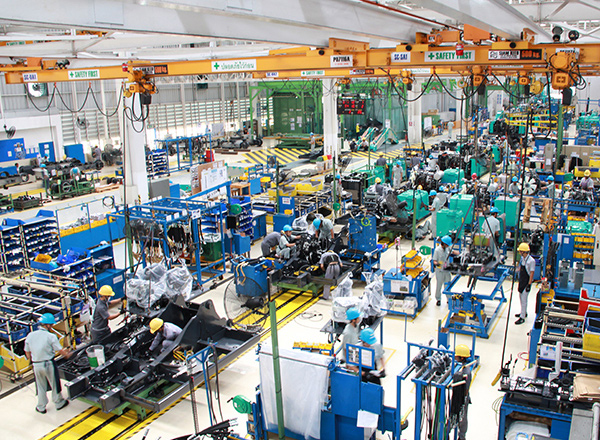
Manufacturers need:
- BOM management
- MRP planning
- Production scheduling
- Work order tracking
- Cost analysis
ERPNext supports cloud-based ERP for manufacturing companies, enabling real-time visibility of production and raw material consumption.
Common ERPNext Implementation Mistakes in Malaysia
- Choosing the cheapest partner instead of the most experienced
- Skipping business process mapping
- Underestimating user training
- Over-customizing the system
- Rushing go-live without proper testing
Avoid these mistakes to protect your ERP investment.
Read: Top 7 Custom Software Development Companies Leading
ERPNext Pricing and ROI in Malaysia
Cost depends on:
- Number of users
- Hosting type (cloud vs on-premise)
- Customization requirements
- Support contract
Compared to traditional ERP software in Malaysia, ERPNext offers:
- Lower licensing cost
- Flexible scaling
- Faster implementation
- Strong ROI for SMEs
Most Malaysian SMEs recover ERP implementation cost within 12 to 18 months through improved efficiency and reduced manual errors.
How to Select Trusted ERPNext Partners in Malaysia
Before signing a contract, ask:
- Can you show live ERPNext projects?
- Do you have experience in my industry?
- What is the post-go-live support structure?
- How do you handle data migration?
- What happens if the project timeline delays?
Trust is built through transparency, process clarity, and industry expertise.
Final Thoughts
ERPNext implementation in Malaysia is not just a technology upgrade. It is a business transformation decision.
With the right planning, structured implementation process, and trusted ERPNext partner, companies can:
- Improve operational visibility
- Strengthen SST compliance
- Reduce inventory errors
- Enhance financial accuracy
- Scale without operational chaos
If you are considering ERPNext Malaysia for your business, start with a proper requirement analysis and choose your implementation partner wisely.