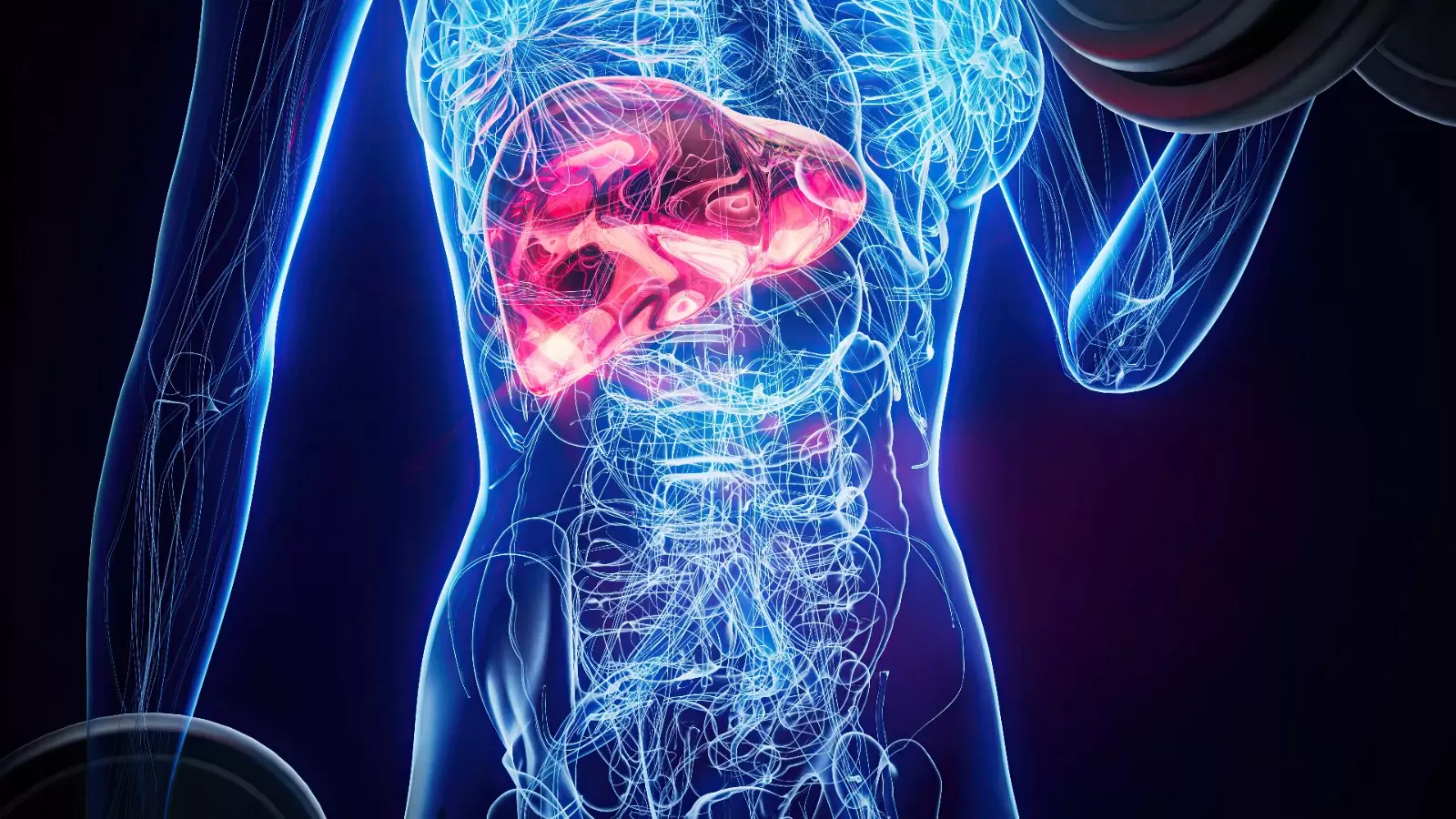
Enhancing Therapeutic Outcomes with Reliable Liver Disease Research Samples
Liver diseases remain a growing global health concern, affecting millions of patients across diverse populations.
From chronic conditions such as hepatitis and non-alcoholic fatty liver disease (NAFLD) to advanced disorders like cirrhosis and hepatocellular carcinoma, the complexity of liver pathology presents significant challenges for drug development.
For biotech and pharmaceutical companies working across multiple therapeutic areas, the need for accurate, high-quality biological materials is critical.
At the core of this progress lies the use of reliable liver disease research samples, which enable researchers to better understand disease mechanisms, identify biomarkers, and develop targeted therapies.
The quality, consistency, and traceability of these samples directly influence research outcomes and ultimately determine the success of therapeutic innovation.
The Importance of High-Quality Liver Disease Research Samples
In modern biomedical research, liver disease research samples serve as foundational tools for discovery and validation.
These samples provide insight into cellular behavior, molecular pathways, and disease progression, making them indispensable in both early-stage research and clinical trials.
Poor-quality or improperly handled samples can lead to inconsistent data, delayed timelines, and failed studies.
On the other hand, well-characterized and ethically sourced liver samples allow researchers to generate reproducible results and draw meaningful conclusions.
This is especially important for biotech companies aiming to reduce risk and accelerate development pipelines.
Types of Liver Samples Used in Research
To support diverse research needs, a variety of liver samples are utilized across preclinical and clinical studies. Each sample type offers unique advantages depending on the research objective:
1. Liver Biopsy Sample
A liver biopsy sample is one of the most valuable resources in hepatology research. Collected directly from liver tissue, these samples provide detailed insights into histological changes, fibrosis stages, inflammation, and tumor characteristics.
Biopsy samples are particularly useful for:
- Studying disease progression at the tissue level
- Identifying cellular and molecular biomarkers
- Evaluating treatment responses in clinical trials
Their high level of specificity makes them essential for precision-focused therapeutic development.
2. Liver Function Test Sample
A liver function test sample, typically derived from blood, is widely used to assess liver health by measuring enzymes, proteins, and bilirubin levels. These samples are critical in both research and clinical settings.
They help researchers:
- Monitor disease progression over time
- Evaluate drug safety and toxicity
- Identify early signs of liver dysfunction
Because they are less invasive than biopsies, these samples are often used in longitudinal studies and large-scale clinical trials.
3. Other Liver Samples
In addition to biopsy and blood-based samples, researchers also utilize:
- Tissue sections for histopathology
- Serum and plasma for biomarker discovery
- Frozen and FFPE samples for genomic and proteomic analysis
Together, these diverse liver samples provide a comprehensive view of liver disease biology.
Supporting Drug Development Across Therapeutic Areas
Liver disease research extends beyond hepatology and plays a crucial role in multiple therapeutic areas. Reliable liver disease research samples contribute to advancements in:
- Oncology: Understanding liver cancers such as hepatocellular carcinoma
- Metabolic Disorders: Studying conditions like NAFLD and NASH
- Infectious Diseases: Investigating viral hepatitis and immune responses
- Toxicology: Evaluating drug-induced liver injury (DILI)
By enabling cross-functional research, these samples help biotech and pharma companies develop safer and more effective therapies.
The Role of Clinical Research Organization in Sample Quality
A trusted clinical research organization plays a vital role in ensuring the quality and integrity of biospecimens. From sample collection and processing to storage and distribution, every step must adhere to strict protocols and regulatory standards.
Key responsibilities include:
- Ethical sourcing with proper patient consent
- Standardized collection and processing methods
- Comprehensive clinical data annotation
- Secure and controlled storage conditions
Partnering with an experienced organization ensures that researchers receive high-quality liver disease research samples that meet the demands of modern drug development.
Enhancing Therapeutic Outcomes Through Reliable Samples
The ultimate goal of any research effort is to improve patient outcomes. Reliable liver disease research samples contribute to this goal in several ways:
1. Improved Biomarker Discovery
High-quality samples enable the identification of accurate biomarkers, which are essential for early diagnosis, patient stratification, and targeted therapy development.
2. Better Clinical Trial Design
Access to well-characterized samples allows researchers to design more effective clinical trials with clearly defined endpoints and patient populations.
3. Reduced Development Risks
Consistent and reliable data minimize the risk of trial failure, helping companies save time and resources.
4. Accelerated Drug Approval
When supported by robust data from high-quality samples, regulatory approval processes can be more efficient, bringing therapies to market faster.
Key Considerations When Sourcing Liver Samples
For biotech and pharma companies, selecting the right sample provider is a strategic decision. Here are some important factors to consider:
- Quality Assurance: Ensure samples meet stringent quality control standards
- Clinical Data Availability: Look for samples with detailed patient information
- Scalability: Choose a provider capable of supporting large-scale studies
- Regulatory Compliance: Verify adherence to ethical and legal guidelines
- Customization: Access to specific sample types, including liver biopsy sample and liver function test sample, tailored to research needs
A reliable partner can significantly enhance the efficiency and success of research programs.
Read: Hepatitis D Test in Routine Health Checkups
Driving Innovation Through Strategic Partnerships
In today’s competitive landscape, collaboration is key. Biotech and pharmaceutical companies increasingly rely on specialized providers to supply high-quality liver samples that support innovation.
Strategic partnerships with experienced biospecimen providers allow organizations to:
- Focus on core research activities
- Access a consistent supply of samples
- Ensure data accuracy and reproducibility
- Accelerate time-to-market for new therapies
These partnerships are essential for advancing research and delivering meaningful clinical outcomes.
Conclusion
The development of effective therapies for liver diseases depends heavily on the quality and reliability of the biological materials used in research.
From liver biopsy sample analysis to liver function test sample evaluation, each component plays a critical role in understanding disease mechanisms and guiding drug development.
For biotech and pharmaceutical companies operating across diverse therapeutic areas, investing in high-quality liver disease research samples is not just a scientific necessity it is a strategic advantage.
By working with a trusted clinical research organziation, researchers can ensure access to ethically sourced, well- characterized samples that drive innovation and improve patient outcomes.
In a field where precision and reliability are paramount, the right samples can make the difference between delayed progress and breakthrough success.