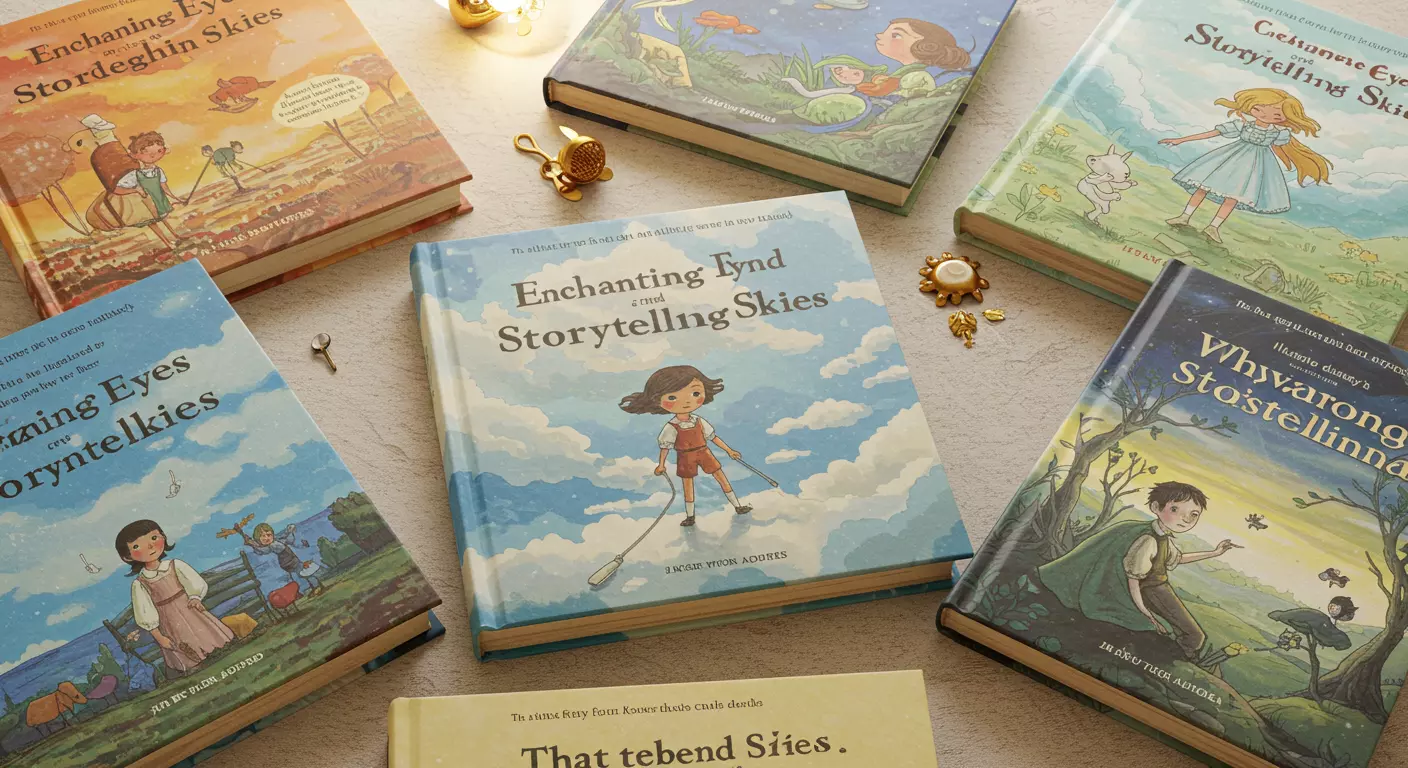
Enchanting Eyes and Storytelling Skies: A Look at the Best Illustrated Children’s Books
The best children’s books do more than tell a story—they show it. Through enchanting eyes and magical skies, illustration brings words to life and captures the hearts of young readers. Whether it’s a curious rabbit peeking out from a garden, or a dreamlike night sky swirling with stars, illustrated children’s books create lasting memories through every brushstroke and pencil line.
In this article, we explore what makes certain picture books stand out and highlight some of the best illustrated children’s books of all time.
Why Illustrations Matter in Children’s Books
For children, illustrations are not just complementary—they’re essential. Visual storytelling helps:
- Build comprehension and vocabulary
- Capture attention and spark imagination
- Provide emotional cues and context
- Make stories accessible to pre-readers
A well-illustrated book turns reading into a full sensory experience. The best illustrated children’s books engage young minds with characters that feel alive and worlds that invite exploration.
Defining Excellence in Children's Book Illustration
What makes illustrations truly unforgettable?
- Expressive characters that connect emotionally
- Imaginative settings that reflect the mood and tone of the story
- Cohesive style that supports and enhances the text
- Age-appropriate visual storytelling
- Attention to detail that invites re-reading
Let’s take a look at some titles that masterfully combine storytelling with visual magic.
Timeless Treasures with Enchanting Illustrations
1. The Very Hungry Caterpillar by Eric Carle
Eric Carle’s vibrant collage technique and use of bold colors have made The Very Hungry Caterpillar a classic. Each page bursts with life and movement, keeping young eyes engaged and excited. It’s one of the most beloved illustrated children’s books for a reason.
2. Goodnight Moon by Clement Hurd
Simple yet captivating, Hurd’s illustrations in Goodnight Moon use repetition, bold colors, and soft contrasts to create a calming bedtime atmosphere. The cozy scenes feel timeless and familiar to readers across generations.
3. Where the Wild Things Are by Maurice Sendak
Sendak’s art is emotionally rich and narratively powerful. His iconic monsters and dreamy landscapes create a perfect balance between wildness and tenderness—mirroring a child’s emotional world.
Modern Masterpieces of Illustration
Today’s illustrators continue to push boundaries, offering fresh styles and inclusive stories.
4. Last Stop on Market Street illustrated by Christian Robinson
Robinson’s collage-style illustrations bring an urban story to life with bright colors and a diverse cast of characters. His work emphasizes community and kindness while capturing the small wonders of everyday life.
5. Dreamers by Yuyi Morales
Blending traditional and digital art, Morales brings deep cultural richness to her pages. Dreamers is filled with intricate textures, vibrant patterns, and a heartfelt story of immigration, making it both visually and emotionally powerful.
6. We Are Water Protectors illustrated by Michaela Goede
Goede's watercolor illustrations shine with fluidity and symbolism. The skies, rivers, and natural elements she paints are stunning, making this book a visual celebration of Indigenous heritage and environmental justice.
Illustration Styles That Spark the Imagination
There’s no single formula for success, but these styles often dominate the best illustrated children’s books:
- Watercolor and Ink: Soft, flowing textures often used in bedtime or emotional stories.
- Digital Illustration: Crisp, clean lines and vibrant colors ideal for modern tales.
- Collage and Mixed Media: Tactile, layered images that offer richness and depth.
- Sketch and Line Drawing: Expressive and playful, often paired with humorous texts.
Each style has its own way of engaging children and helping them connect to the story visually.
The Role of Eyes and Skies in Illustration
Why focus on “eyes” and “skies”?
- Eyes express emotion. A glance can show curiosity, fear, love, or excitement—crucial for children learning about emotions and relationships.
- Skies set the mood. From sunny fields to twilight stargazing, the sky in a children’s book often reflects the emotional arc of the story.
Together, these elements anchor the emotional tone of the story, helping young readers feel safe, curious, or adventurous—whatever the moment calls for.
Lesser-Known Illustrated Gems Worth Exploring
While some books are household names, others quietly shine with beautiful artwork:
- Du Iz Tak? by Carson Ellis – Features a whimsical invented language and lush plant life in detailed illustrations.
- A Sick Day for Amos McGee by Erin E. Stead – Uses delicate pencil drawings and woodblock printing for a gentle, heartfelt story.
- Float by Daniel Miyares – A wordless book where rainy day adventures come to life through moody watercolor artwork.
These books may not always top bestseller lists, but their illustrations are nothing short of enchanting.
Final Thoughts: Where Words and Pictures Meet
At the heart of every unforgettable children’s book is a marriage between words and illustrations. It’s in the twinkle of an eye, the glow of a moonlit sky, or the wild rush of color across a page that stories truly come alive. The Rainbow Stories .
The best illustrated children’s books are more than just pretty pictures. They are visual stories that help children see themselves, dream bigger, and fall in love with the world of books.
So, whether you’re a parent, teacher, author, or artist, celebrate those brushstrokes of wonder that turn children into lifelong readers—one picture at a time.