Emerging Growth in the Chlorinated Paraffin Wax Market Across Global Industries
Introduction
Without a doubt, the Chlorinated Paraffin Wax (CPW) Market is undergoing a remarkable transformation. As industrialization surges worldwide and manufacturing processes diversify rapidly, chlorinated paraffin wax is becoming increasingly indispensable.
This synthetic compound, derived from the chlorination of paraffin fractions obtained from petroleum distillation, serves multiple purposes across a vast array of sectors. Not only is it used as a plasticizer and flame retardant, but it also plays a pivotal role in metalworking, sealants, and lubricants.
Moreover, what makes this market especially intriguing is its versatility. It serves as a critical ingredient in rubber, paints, and coatings, thereby ensuring that demand continues to rise in line with global construction and automotive trends. Even more interestingly, regulatory frameworks and environmental concerns are reshaping the development and usage of this material, making it an area of great interest for investors, manufacturers, and policymakers alike.
Therefore, this article explores the evolution of the market, emerging trends, ongoing challenges, market scope, size estimations, and key drivers contributing to its growth.
Source: https://www.databridgemarketresearch.com/reports/global-chlorinated-paraffin-wax-market
The Evolution of the Chlorinated Paraffin Wax Market
To truly understand the current state of the chlorinated paraffin wax market, one must begin by examining its roots. Initially, CPW emerged as a low-cost alternative to expensive plasticizers and flame retardants. It was largely used in PVC manufacturing and was considered a revolutionary innovation for enhancing flexibility and durability.
Subsequently, as the global economy matured, so too did the applications of CPW. By the late 20th century, it found favor in lubricants and cutting fluids due to its ability to withstand high temperatures and reduce friction. Furthermore, its flame-retardant properties became critically important in the manufacture of electrical cables and construction materials.
In addition, innovations in chemical processing allowed manufacturers to create CPW with varying chlorine content, enabling customized applications across industries. Consequently, this adaptability turned CPW into a multipurpose agent that could serve specialized needs, whether in textiles, adhesives, or paints.
Despite its early success, however, environmental and health-related concerns began to surface. Regulatory bodies, particularly in Europe and North America, began imposing restrictions, thereby pushing manufacturers to innovate cleaner alternatives.
Nevertheless, in emerging economies, CPW continued to thrive due to fewer restrictions and growing industrial activity. Hence, the market entered a bifurcated state—progressing sustainably in developed regions while expanding rapidly in developing markets.
Market Trends
As one might expect, the chlorinated paraffin wax market is shaped by a number of influential trends. Firstly, the shift towards environmentally friendly and sustainable materials is altering the product development landscape. Companies are now focusing on producing low-chlorine or chlorine-free alternatives that meet both performance and regulatory benchmarks.
Secondly, digital transformation is beginning to permeate this sector as well. Manufacturers are adopting smart technologies to enhance quality control, optimize supply chains, and reduce waste. This, in turn, leads to improved efficiency, greater product consistency, and reduced environmental impact.
Thirdly, the rising demand for CPW in flame-retardant applications cannot be overstated. With global emphasis on safety in construction and automotive manufacturing, chlorinated paraffin remains a go-to additive. Whether it is fire-resistant cables or protective coatings, CPW continues to provide essential benefits.
Additionally, increased urbanization across the globe is accelerating demand in sectors like paints, adhesives, and rubber. Cities expanding at unprecedented rates require buildings, infrastructure, and transportation—all of which rely heavily on CPW-infused products.
Equally important is the growing demand for CPW in the Asia-Pacific region. Countries such as China, India, and Indonesia are witnessing industrial booms, driving up the consumption of CPW in metalworking fluids, plastics, and lubricants.
Moreover, companies are investing more in R&D to create bio-based or low-toxicity variants to stay competitive. Given the current climate of regulatory scrutiny, this trend is likely to become even more significant in the coming years.
Challenges
Yet, for all its growth and promise, the chlorinated paraffin wax market is not without its challenges. One of the foremost hurdles lies in regulatory pressure. Various governing bodies have raised red flags regarding the environmental persistence and bioaccumulation of short-chain chlorinated paraffins (SCCPs). As a result, manufacturers must invest heavily in research and compliance, which can eat into profit margins.
In addition, fluctuating raw material prices pose a considerable risk. Since CPW is derived from petroleum by-products, any volatility in oil prices can directly affect production costs. This unpredictability makes long-term planning and budgeting particularly difficult for producers and end-users alike.
Furthermore, the lack of global standardization adds another layer of complexity. Different countries have different safety, environmental, and labeling requirements, which can hinder trade and complicate market entry strategies.
Moreover, there is increasing consumer awareness about the health effects of chemicals used in everyday products. This rising consciousness is prompting businesses to rethink their formulation strategies or risk losing brand loyalty.
Also worth noting is the limited availability of non-toxic, eco-friendly alternatives that can match the performance of CPW. Until such options become commercially viable and scalable, companies remain caught between compliance and cost-effectiveness.
Market Scope
Considering all these dynamics, it is clear that the scope of the chlorinated paraffin wax market is both broad and evolving. The market spans multiple industries—including construction, plastics, metalworking, automotive, and textiles—and offers applications ranging from lubricants and plasticizers to flame retardants and sealants.
Because CPW comes in different grades—short-chain, medium-chain, and long-chain—each type serves distinct industrial functions. For example, while short-chain CPWs are largely used in metalworking fluids and sealants, long-chain CPWs are popular in plastics and coatings due to their excellent flame resistance and low volatility.
Moreover, regional diversification is expanding the scope even further. While North America and Europe are emphasizing eco-friendly variants, Asia-Pacific and Latin America are driving volume growth through industrial expansion. This dual-pronged development opens up a wide spectrum of opportunities for both global and niche players.
Another crucial point to highlight is that advancements in chemical engineering and process technology are enabling manufacturers to produce CPW with enhanced stability, lower toxicity, and improved performance. This is paving the way for broader adoption in high-value sectors like aerospace and electronics.
Market Size
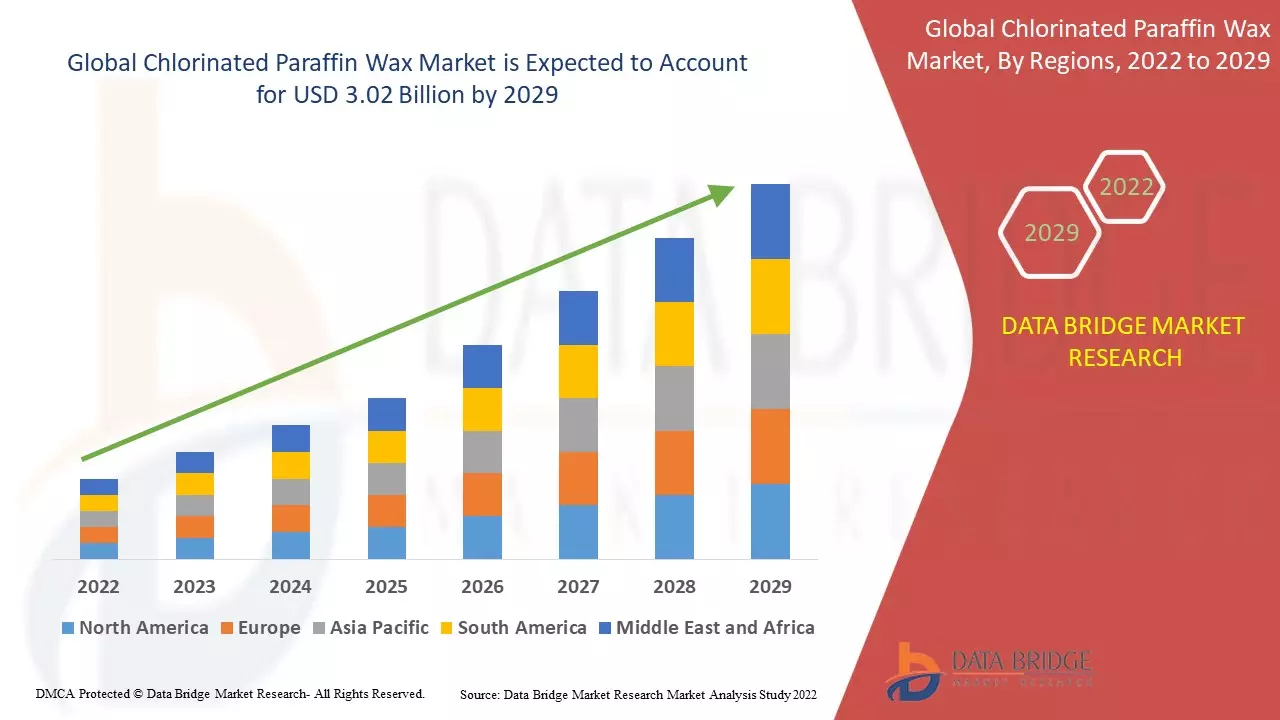
When evaluating the size of the chlorinated paraffin wax market, it becomes evident that this is a multi-billion-dollar industry with strong upward potential. Although growth rates may vary by region and segment, the overall trajectory remains positive.
Recent market estimates suggest that the industry is poised for significant expansion over the next decade. While some of this growth can be attributed to traditional sectors such as construction and automotive, new areas like electronics and renewable energy are emerging as promising avenues.
Furthermore, the Asia-Pacific region is expected to dominate the market share, driven largely by aggressive industrialization and fewer regulatory constraints. As industries continue to grow and infrastructure projects proliferate, demand for CPW is projected to rise sharply.
Simultaneously, innovations in product development and improved manufacturing processes are helping reduce production costs, thereby making CPW more accessible across the globe. This cost efficiency, in turn, is facilitating market penetration in price-sensitive regions.
Altogether, with consistent investment and technological innovation, the market size is not only growing but also becoming more resilient and diversified.
Factors Driving Growth
What, then, are the primary drivers behind the rapid growth of the chlorinated paraffin wax market? First and foremost, the material’s versatility plays a crucial role. From lubricants and plasticizers to coatings and sealants, CPW meets the unique needs of multiple industries.
Secondly, the increasing demand for flame-retardant materials in construction, automotive, and electronics is fueling CPW usage. As safety regulations become stricter, the need for reliable fire-resistant components rises concurrently.
Moreover, the expansion of the manufacturing sector in emerging economies provides a robust platform for CPW adoption. Nations investing in industrial infrastructure are turning to CPW-based products for their cost-effectiveness and functional efficiency.
Additionally, ongoing research and innovation are making CPW formulations safer and more environmentally friendly.
Companies that can offer greener alternatives without compromising performance are enjoying a significant competitive edge.
Furthermore, the rising popularity of CPW in the paints and coatings sector is contributing to its growing appeal. Not only does it enhance product durability, but it also provides vital resistance against heat, water, and chemicals.
Lastly, increasing foreign direct investment (FDI) in manufacturing-intensive economies is propelling demand. As new factories and production units come online, the need for CPW in everything from machines to maintenance becomes even more pronounced.
Conclusion
In conclusion, the Chlorinated Paraffin Wax Market represents a dynamic and rapidly evolving sector that holds immense promise. Despite facing several challenges, especially concerning environmental compliance and raw material costs, the market continues to push forward. Technological innovation, expanding applications, and global industrial growth are all converging to ensure its continued success.
While developed regions may focus on sustainable development and eco-compliant formulations, emerging economies are capitalizing on cost and availability. Consequently, the market stands at a unique intersection of opportunity and responsibility. Those who can balance performance, price, and sustainability will undoubtedly shape the future of this industry.