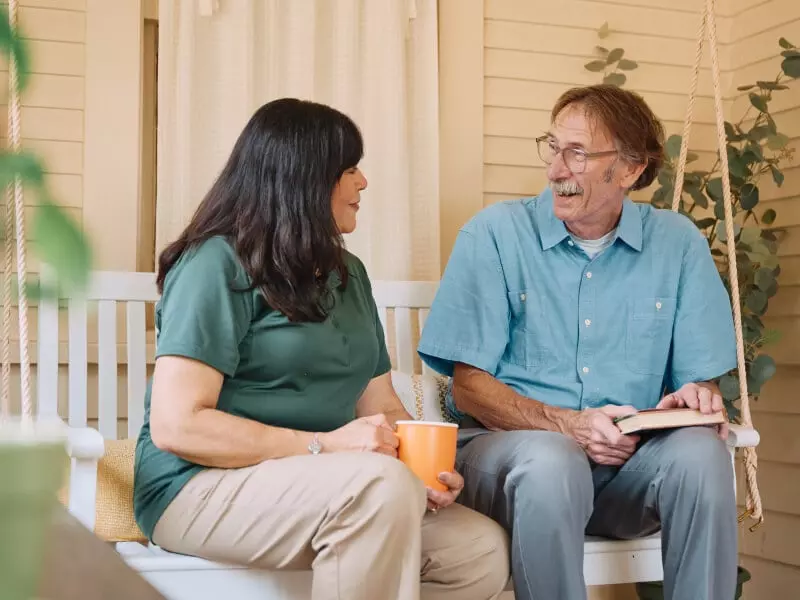
Elderly Care Services that Adapt to Changing Senior Needs
As individuals grow older, their physical, emotional, and cognitive needs naturally shift. What may have worked well in their early retirement years may not be sufficient a decade later. That’s where flexible Elderly Care Services Dubai come in—offering support that evolves as seniors do.
Aging doesn't follow a set pattern. Some may remain highly independent well into their 80s, while others may need support earlier on. Good elderly care services take these individual differences into account and adjust their approach over time.
Personalized Care for Every Stage
Adapting Care Plans Over Time
The most effective elderly care services don’t rely on one-size-fits-all models. Instead, they begin with a personalized care plan based on current health status, daily needs, and personal preferences. As time goes on, these plans are reviewed and revised. Regular assessments ensure the care being provided matches the senior’s changing physical and emotional condition.
Holistic Support for Overall Wellbeing
Holistic care doesn’t just mean addressing physical needs. Emotional support, mental stimulation, and companionship are all important elements. Services may include:
- Daily living assistance such as meal preparation and grooming
- Companionship and activities to reduce isolation
- Memory care techniques tailored for cognitive changes
- Encouragement of hobbies and gentle exercise routines
This balance between physical assistance and emotional connection can greatly enhance a senior’s quality of life.
Flexible Living Arrangements
In-Home and Community-Based Care
Care services can adapt by allowing seniors to remain in their familiar environments while still receiving professional support. Whether through caregivers visiting the home or services being delivered in a community setting, flexibility is key. These arrangements can be adjusted depending on how much help is needed, ranging from occasional support to full-time care.
Transitioning to More Structured Support
When independent or home-based care is no longer ideal, transitioning to a more structured environment may be necessary. What makes this easier is when services already have a relationship with the senior and can ease the transition smoothly. With compassionate guidance, the move becomes less overwhelming.
Support for Families and Loved Ones
Keeping Families Informed
Caring for an aging loved one can be emotionally challenging for families. Transparent communication between care providers and families helps everyone stay informed about changing needs. Whether it’s through regular updates or open discussions, families gain peace of mind knowing their loved one is being supported thoughtfully.
Caregiver Relief and Emotional Support
Family caregivers often need a break themselves. Elderly care services can provide temporary or regular relief, giving family members time to recharge. This shared responsibility helps prevent burnout and strengthens the caregiving partnership.
Promoting Independence Through Support
Encouraging Autonomy
Maintaining a sense of independence is vital for emotional wellbeing. Seniors are more likely to thrive when they’re given the freedom to make choices about their daily routine, meals, and activities. Caregivers trained to promote rather than control help seniors feel respected and empowered.
Safe Environments That Foster Freedom
As needs change, safety becomes more important. Adapting the home or living space with thoughtful design and simple modifications can prevent falls and increase confidence. Elderly care services may assist with evaluating the living space to ensure it's aligned with the individual’s current capabilities.
Encouraging Social Engagement
Avoiding Isolation
Social interaction is vital for mental health, yet it often decreases with age. Elderly care services place a strong focus on keeping seniors connected. Whether it's through community events, group activities, or one-on-one time with caregivers, maintaining relationships can brighten daily life.
Activities That Match Interests
Adapting to changing needs also means choosing the right kind of engagement. As energy levels or abilities shift, so too can hobbies and activities. A good care provider listens to these changes and adjusts recreational options accordingly, from gentle walks to creative indoor activities.
Building Trust Over Time
Familiar Faces and Consistency
The bond between seniors and their caregivers is deeply personal. Elderly care that adapts to changing needs builds on trust developed over time. Familiar caregivers who understand the senior’s habits, likes, and dislikes can respond more intuitively to new challenges.
Predictable Routines with Flexibility
A familiar routine provides comfort, especially for those dealing with cognitive changes. At the same time, the routine should be flexible enough to adjust to new preferences or needs. This blend of stability and adaptability allows seniors to feel secure and supported.
FAQs
What makes elderly care services adaptable?
Adaptable elderly care services continually assess a senior’s needs and modify support based on changes in health, mood, lifestyle, and preferences. The ability to shift care plans ensures that seniors always receive the right level of assistance without feeling restricted.
How do caregivers know when it’s time to change the level of care?
Caregivers observe daily behaviors, physical mobility, communication patterns, and energy levels. Any noticeable decline or shift is discussed with the senior and their family to determine whether adjustments are needed. Periodic reviews are also part of the process.
Can seniors remain independent while receiving care?
Yes, quality elderly care emphasizes helping seniors maintain their independence as long as possible. Caregivers provide support without taking over, encouraging decision-making and self-reliance within safe boundaries.
Is emotional wellbeing included in care services?
Absolutely. Emotional support is a core part of elderly care. Caregivers often build meaningful relationships with seniors, offer companionship, and promote participation in social or engaging activities to lift mood and reduce feelings of loneliness.
Are these care services suited for seniors with memory challenges?
Yes, elderly care services can be tailored for those experiencing cognitive decline. Memory support techniques, consistent routines, and patient interaction all help seniors feel more comfortable and supported throughout their journey.
Final Thoughts
Elderly Care Services in Dubai that evolve with a senior’s changing needs provide more than just physical help—they offer dignity, comfort, and a sense of belonging. Through thoughtful attention, compassionate companionship, and flexible support, seniors are given the chance to thrive in each stage of their later years.