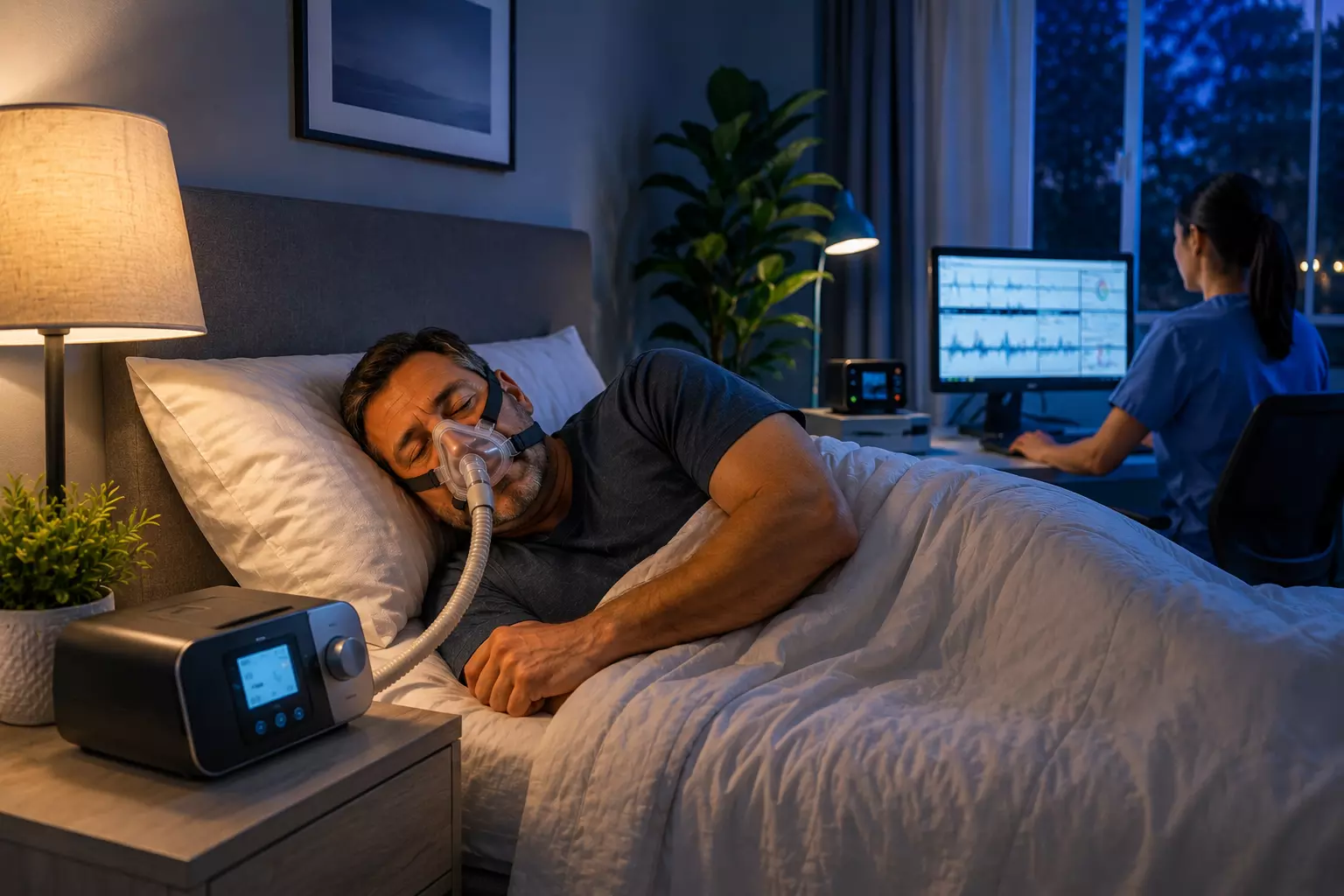
Effective Solutions for Sleep Disorders in Woodhaven
Quality sleep is essential for maintaining physical health, mental well-being, and overall quality of life.
When sleep is consistently interrupted or inadequate, it can affect your energy levels, mood, concentration, and long-term health. Sleep disorders can impact people of all ages, making it important to recognize symptoms early and seek professional evaluation.
Whether you're experiencing difficulty falling asleep, staying asleep, or waking up feeling exhausted, understanding the causes of sleep problems is the first step toward better rest and improved wellness.
Understanding the Importance of Sleep Care
Finding effective Sleep Disorder Treatment in Woodhaven can help address ongoing sleep challenges before they begin affecting your daily life. Sleep disorders often develop gradually and may interfere with work performance, relationships, emotional health, and physical wellness if left untreated.
A personalized approach to sleep care focuses on identifying potential causes, evaluating sleep patterns, and creating treatment plans that support healthier, more restorative sleep.
Personalized Sleep Care for Every Patient
At Haven Health Care Medical Group, patient-centered care begins with understanding each individual's symptoms, medical history, lifestyle, and sleep habits.
Since every patient experiences sleep difficulties differently, treatment plans are customized to address specific concerns and promote long-term improvements in sleep quality.
Personalized sleep care may include:
- Comprehensive sleep evaluations
- Lifestyle and sleep habit assessments
- Medical history review
- Treatment planning
- Ongoing symptom monitoring
- Preventive healthcare guidance
- Follow-up care and progress evaluations
This individualized approach helps patients receive care that aligns with their unique health needs and wellness goals.
Common Signs of a Sleep Disorder
Sleep disorders may present with a variety of symptoms that extend beyond nighttime rest.
Common warning signs include:
- Difficulty falling asleep
- Frequent nighttime awakenings
- Excessive daytime fatigue
- Loud snoring
- Morning headaches
- Difficulty concentrating
- Mood changes
- Restless sleep
- Waking up feeling unrefreshed
Persistent symptoms should be evaluated by a healthcare professional to determine the most appropriate course of care.
Why Healthy Sleep Matters
Sleep supports nearly every system within the body. Poor sleep over time may affect physical health, emotional wellness, and daily performance.
Healthy sleep contributes to:
- Improved concentration
- Better memory
- Stronger immune function
- Increased energy levels
- Emotional balance
- Heart health
- Healthy metabolism
- Overall well-being
Prioritizing sleep is an important part of maintaining a healthy lifestyle.
Read: Rent Polysomnography Test Machine in India: Complete Guide
Common Types of Sleep Disorders
Sleep disorders can develop for many different reasons and may vary from person to person.
Some commonly recognized sleep conditions include:
- Insomnia
- Sleep apnea
- Restless legs syndrome
- Circadian rhythm disorders
- Excessive daytime sleepiness
- Sleep-related breathing disorders
Accurate evaluation helps determine the underlying cause and guides personalized treatment recommendations.
Lifestyle Habits That Support Better Sleep
In addition to medical evaluation, healthy daily habits often play an important role in improving sleep quality.
Helpful sleep practices may include:
- Maintaining a consistent sleep schedule
- Limiting screen time before bed
- Creating a comfortable sleep environment
- Reducing caffeine late in the day
- Managing daily stress
- Staying physically active
- Following healthy nutrition habits
Small lifestyle improvements can make a significant difference in achieving more restful sleep.
Benefits of Early Sleep Evaluation
Seeking professional care early can help identify sleep-related concerns before they begin affecting long-term health.
Early evaluation may help:
- Improve sleep quality
- Increase daytime energy
- Support mental wellness
- Reduce daytime fatigue
- Enhance work productivity
- Improve overall quality of life
- Promote long-term health
Early intervention often provides more effective opportunities to manage ongoing sleep concerns.
Taking a Long-Term Approach to Better Sleep
Improving sleep is often an ongoing process rather than a one-time solution. Regular follow-up appointments allow healthcare providers to monitor progress, evaluate treatment effectiveness, and adjust care plans as needed.
Combining medical guidance with healthy lifestyle habits can help patients build sustainable sleep routines that support lasting wellness.
Conclusion
Healthy sleep is one of the most important foundations of overall health and well-being. Addressing sleep concerns early through personalized evaluation and patient-centered care can improve energy levels, emotional wellness, concentration, and long-term health.
With individualized treatment strategies and ongoing support, patients can take meaningful steps toward achieving more restful, restorative sleep and a healthier quality of life.
Frequently Asked Questions
1. What are the most common symptoms of a sleep disorder?
Common symptoms include difficulty falling asleep, frequent waking during the night, loud snoring, daytime fatigue, poor concentration, restless sleep, and waking up feeling unrefreshed.
2. When should I seek medical care for sleep problems?
If sleep difficulties continue for several weeks, interfere with daily activities, or cause excessive daytime tiredness, it is recommended to seek a professional evaluation.
3. Can lifestyle changes improve sleep quality?
Yes. Maintaining a regular sleep schedule, reducing screen time before bed, exercising regularly, and creating a comfortable sleep environment may help improve sleep quality.
4. What happens during a sleep evaluation?
A healthcare provider typically reviews your symptoms, medical history, lifestyle habits, and sleep patterns before recommending an appropriate treatment plan.
5. Can untreated sleep disorders affect overall health?
Yes. Ongoing sleep problems may contribute to reduced concentration, lower energy levels, mood changes, decreased productivity, and other long-term health concerns.
6. Is every sleep disorder treated the same way?
No. Treatment depends on the underlying cause, severity of symptoms, medical history, and each patient's individual healthcare needs, making personalized care an important part of effective sleep management.