Eco Friendly Storage Solutions That Actually Work in Modern Homes
Modern homes are constantly balancing two competing needs: maintaining a clean, organized space while reducing unnecessary consumption and waste. The problem is that many storage products marketed as “eco friendly” often prioritize appearance over practicality.
They may look beautiful in photographs, but in everyday life they fail to handle clutter, maximize space, or adapt to changing routines.
The best sustainable storage solutions are the ones people genuinely continue
The good news is that eco conscious storage no longer means sacrificing style. Thoughtfully designed solutions can make homes feel calmer, more organized, and visually refined while also encouraging more sustainable habits over time.
Natural Fiber Baskets Create Flexible Storage
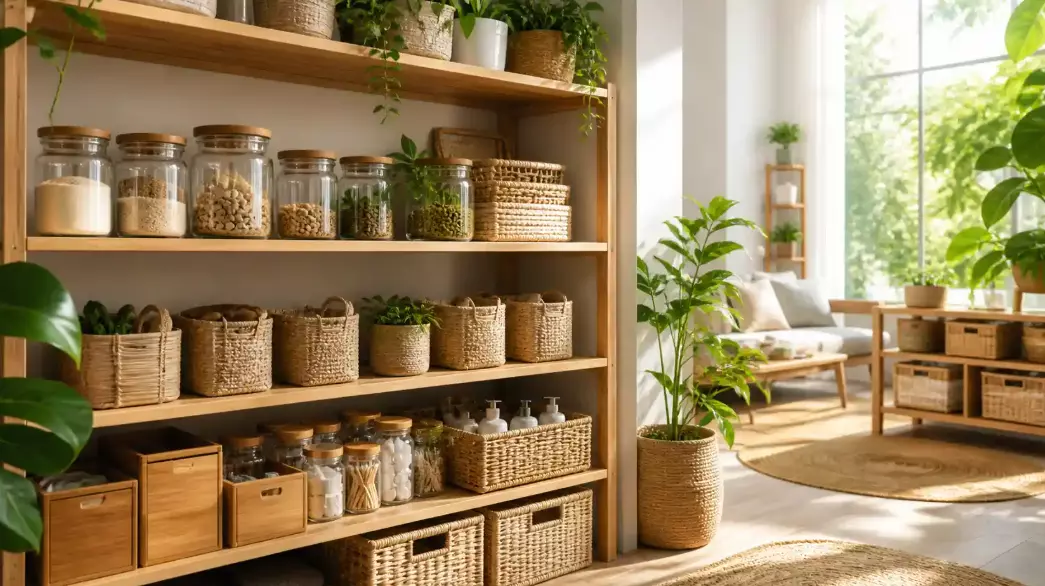
Woven baskets made from rattan, seagrass, jute, or bamboo remain some of the most practical sustainable storage options available. Unlike rigid plastic containers, they introduce warmth and texture while blending effortlessly into modern interiors.
They work especially well because they are versatile. A single basket can store blankets in the living room, toys in a child’s bedroom, or laundry in a bathroom without feeling out of place.
Natural materials also soften modern spaces that might otherwise feel overly cold or minimal. In homes filled with hard surfaces like metal, concrete, or glass, woven textures create visual balance while still remaining functional.
Glass Containers Replace Disposable Kitchen Storage
Modern kitchens often accumulate unnecessary plastic packaging and mismatched food containers. Glass jars and containers solve both storage and sustainability issues at once.
Dry ingredients, snacks, spices, coffee beans, and pantry staples instantly look more organized when transferred into reusable glass containers. Transparent storage also makes kitchens more efficient because contents remain visible at all times.
Unlike plastic, glass does not absorb odors or discolor easily, making it a long-term storage solution that remains visually clean over time.
Modular Shelving Reduces Furniture Waste
One reason furniture waste has increased is because many storage systems are designed for short-term convenience rather than long-term adaptability.
Modular shelving changes that. Adjustable systems can evolve as storage needs change, reducing the need to constantly replace furniture.
Open shelving, stackable cubes, and customizable units work particularly well in modern homes because they adapt to different layouts without requiring complete redesigns. A shelving system used in a home office today may later function perfectly in a living room or bedroom.
This flexibility makes modular storage both practical and more sustainable in the long run.
Under Bed Storage Maximizes Existing Space
One of the most overlooked storage areas in modern homes is the space beneath the bed. Properly designed under-bed storage can eliminate the need for additional cabinets or bulky furniture pieces entirely.
Wooden rolling drawers, fabric storage bags, or low-profile boxes allow seasonal clothing, linens, and extra household items to remain accessible without cluttering visible living areas.
Using hidden storage efficiently also helps smaller homes feel less crowded and more intentional.
Reclaimed Wood Storage Adds Character
Reclaimed wood shelves, cabinets, and storage benches have become increasingly popular because they combine sustainability with unique visual texture.
Unlike mass-produced furniture, reclaimed wood often carries natural imperfections that make interiors feel warmer and more authentic. These pieces work especiall
The appeal is not only environmental. Reclaimed materials often age better visually than cheaper synthetic alternatives.
Multi Functional Furniture Reduces Excess
Modern homes increasingly benefit from furniture that serves more than one purpose. Storage benches, ottomans with hidden compartments, fold-out desks, and bed frames with integrated drawers reduce the need for additional standalone storage pieces.
This approach minimizes clutter while improving overall space efficiency.
In smaller apartments especially, multi-purpose furniture can dramatically improve daily functionality without overcrowding the room.
Open Storage Encourages Conscious Organization
Hidden storage can sometimes lead to accumulation because clutter remains out of sight. Open shelving creates a different relationship with possessions by making items more visible and intentional.
This often encourages people to keep only what they genuinely use or value.
When styled thoughtfully, open storage also becomes part of the home’s design rather than simply a practical necessity. Neutral containers, natural materials, books, ceramics, and greenery can all contribute to a cleaner and more curated atmosphere.
Fabric Storage Works Better Than Plastic in Many Spaces
Plastic bins dominate many storage systems because they are inexpensive and widely available. However, fabric storage alternatives are often more visually appealing and environmentally responsible.
Canvas bins, linen organizers, and cotton storage bags feel softer within modern interiors while remaining highly functional. They also collapse easily when not in use, which improves flexibility in smaller spaces.
Neutral fabric storage especially complements minimalist and Scandinavian-inspired homes where texture plays a major role in the overall design.
Read: Protecting Our Planet: Practical Steps Toward a Sustainable Future
Wall Mounted Storage Frees Valuable Floor Space
Vertical storage solutions are essential in modern homes where square footage may be limited. Wall-mounted shelves, pegboards, hooks, and hanging organizers maximize functionality without making rooms feel crowded.
This approach is especially effective in kitchens, bathrooms, entryways, and compact workspaces.
By shifting storage upward rather than outward, rooms maintain better visual openness and circulation.
Sustainable Organization Starts With Fewer Things
One uncomfortable truth about home organization is that no storage system can permanently solve excessive accumulation.
The most effective eco friendly storage strategy often begins with reducing unnecessary purchases altogether. When homes contain fewer disposable or rarely used items, storage naturally becomes easier and more intentional.
Sustainable organization is not only about choosing better containers. It is also about creating healthier relationships with consumption, clutter, and long-term habits.
Timeless Storage Ages Better Than Trend Driven Designs
Storage trends change constantly, but overly fashionable solutions often become outdated quickly and end up discarded.
Timeless materials like wood, metal, glass, linen, and woven fibers tend to remain visually relevant for years. Choosing neutral, adaptable storage pieces reduces waste because the items continue fitting into evolving interiors rather than being replaced with every redesign.
This long-term mindset is one of the most overlooked aspects of sustainable home design.
Practical Sustainability Works Best
The reason many eco friendly products fail is because they focus more on appearance than usability. Truly sustainable storage succeeds when it fits naturally into real daily life.
If a storage system feels inconvenient, difficult to maintain, or visually disconnected from the home, people eventually stop using it.
The most effective solutions are often simple: adaptable furniture, reusable containers, natural materials, and efficient use of existing space. These choices quietly improve organization while reducing waste over time.
Modern homes do not need to look overly rustic or minimal to become more sustainable. With thoughtful storage decisions, it is possible to create spaces that feel cleaner, calmer, and more functional while supporting a more environmentally conscious way of living.