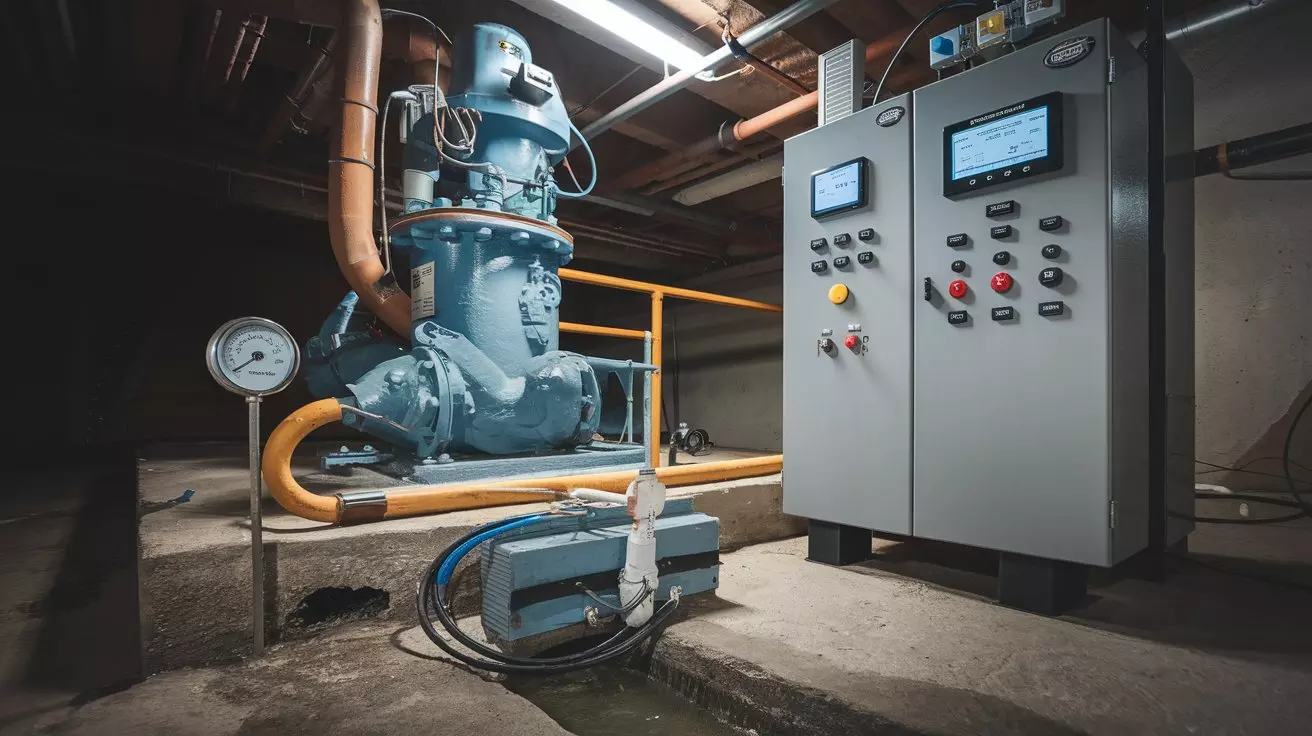
Easy Lift Station Monitoring Solutions
It was just past 3 a.m. when the small town’s public works supervisor got the alert. One of the lift stations on the south side had stopped pumping. In years past, no one would’ve known until sewage backed up or alarms blared across the neighborhood. But this time, thanks to the OmniSite monitoring system, a simple message on his phone helped him solve the issue before most residents even woke up.
This is the new standard for wastewater management in small towns and growing communities simple, responsive, and proactive. Lift station monitoring, once complicated and delayed by manual processes, has become easier, smarter, and more efficient thanks to accessible technology.
Why Lift Station Monitoring Matters
Lift stations are critical in any wastewater system. They move sewage from lower to higher elevations, especially in areas where gravity flow isn't possible. When lift stations fail, the consequences are severe: backups, spills, environmental violations, and expensive emergency repairs.
Small towns, however, often rely on outdated systems or manual checks, with staff visiting each site to inspect operations or troubleshoot issues. This reactive approach not only wastes time but leaves the entire system vulnerable during weekends, holidays, or extreme weather events.
The growing demand for real-time oversight has led many municipalities to seek smarter, affordable alternatives that don’t require a full-scale SCADA system or a large workforce. That’s where cloud-based, cellular-powered monitoring comes in.
The Simplicity of Modern Monitoring Systems
Unlike the complex and expensive solutions of the past, modern lift station monitoring is now easy to deploy and manage even for teams with limited tech experience.
Today’s systems are:
- Wireless – Eliminating the need for trenching and hardwired networks
- Cloud-based – Allowing staff to access data and alarms from any device
- Compact and rugged – Built to endure harsh lift station environments
- Plug-and-play – Fast installation with minimal setup
These features allow even the smallest municipal departments to gain 24/7 visibility into pump cycles, power failures, tank levels, runtimes, and backup alarms all from a simple dashboard.
A standout example is the OmniSite monitoring system, which combines durability with smart functionality, offering remote lift station monitoring that requires minimal maintenance while delivering maximum reliability. Operators can receive instant alerts via text or email when something goes wrong, long before problems become public disasters.
Real-World Efficiency: Time Saved, Costs Cut
Imagine this: an operator used to drive 80 miles a day to check five remote lift stations, recording pump cycles and checking float switches. With remote monitoring, those miles and hours are eliminated. Instead, they can log in to a dashboard over coffee and review real-time metrics, with alerts already pinpointing potential issues.
This efficiency doesn’t just benefit operations it protects municipal budgets. By catching problems early, towns avoid costly emergency repairs, overtime labor, environmental penalties, and public backlash.
In fact, many towns see a return on investment within the first year, simply from reduced travel, fewer manual inspections, and faster emergency response.
Common Lift Station Issues Solved by Smart Monitoring
Modern monitoring isn’t just about knowing when something fails it’s about preventing failure altogether. With real-time data and performance trends, towns can identify early warning signs and schedule preventive maintenance.
Some of the most common issues that smart systems detect include:
- Pump Short Cycling: Frequent start-stop behavior can signal float switch problems or clogging.
- High-Level Alarms: Immediate alerts help prevent sewage overflows.
- Power Loss: Backup systems can be triggered faster when outages are detected remotely.
- Motor Overload: Identifying excessive current draw before motors burn out.
- Pump Runtime Anomalies: Spot inefficiencies or wear by tracking duration and frequency of operation.
Operators can also generate automated reports to comply with state and federal regulations, ensuring documentation is always accurate and up-to-date.
A System That Adapts to the Town, Not the Other Way Around
One of the biggest advantages of cloud-connected lift station monitoring is scalability. Systems like OmniSite aren’t one-size-fits-all they grow with the needs of a town.
Starting with just one lift station? No problem. Need to add four more stations in six months? It’s a simple plug-in process. No software overhaul. No IT headaches.
This modular design is perfect for communities that are planning gradual infrastructure improvements or experiencing steady growth. It also helps future-proof the town's wastewater system for the next generation.
Installation and Setup: As Easy as It Gets
In the past, installing a new monitoring system meant shutting down parts of the station, coordinating with multiple contractors, and dealing with costly delays. Today’s systems change that narrative completely.
A modern lift station monitor can be installed in less than a day. The units are:
- Compact and easily mounted inside control panels
- Preconfigured for plug-and-play installation
- Powered via solar, battery, or AC, depending on site needs
- Tested remotely by the provider to ensure signal strength and data flow
That means no complicated programming, no third-party consultants, and no extended downtime. Operators can begin monitoring pump health and receiving alerts within hours of installation.
Supporting the Operators Behind the Scenes
Often overlooked in discussions about infrastructure are the people behind the scenes the operators, techs, and supervisors who keep things running. Smart lift station monitoring doesn’t replace them; it empowers them.
With better tools:
- They make faster, more confident decisions
- They reduce stress from “unknowns” during nights or holidays
- They focus on proactive work instead of chasing problems
- They gain access to historical data to track asset performance
Younger staff also find these systems more intuitive, helping towns recruit and retain the next generation of skilled public utility workers.
Environmental and Community Benefits
The benefits of smart lift station monitoring extend beyond just the public works department. They ripple through the entire community.
- Fewer Overflows mean cleaner waterways and better environmental compliance
- Faster Response Times reduce public health risks and service disruptions
- Smarter Resource Use improves trust in municipal management
- Transparent Reporting helps meet grant and state funding requirements
Residents may never see the technology working behind the scenes but they notice when things go wrong. With real-time monitoring, towns can keep things running smoothly and protect their most valuable asset: community confidence.
Final Thoughts
In the modern age of infrastructure, towns no longer need to choose between affordability and performance. With tools like the OmniSite monitoring system, small and mid-size municipalities can enjoy robust, real-time lift station monitoring without the cost or complexity of traditional SCADA systems.