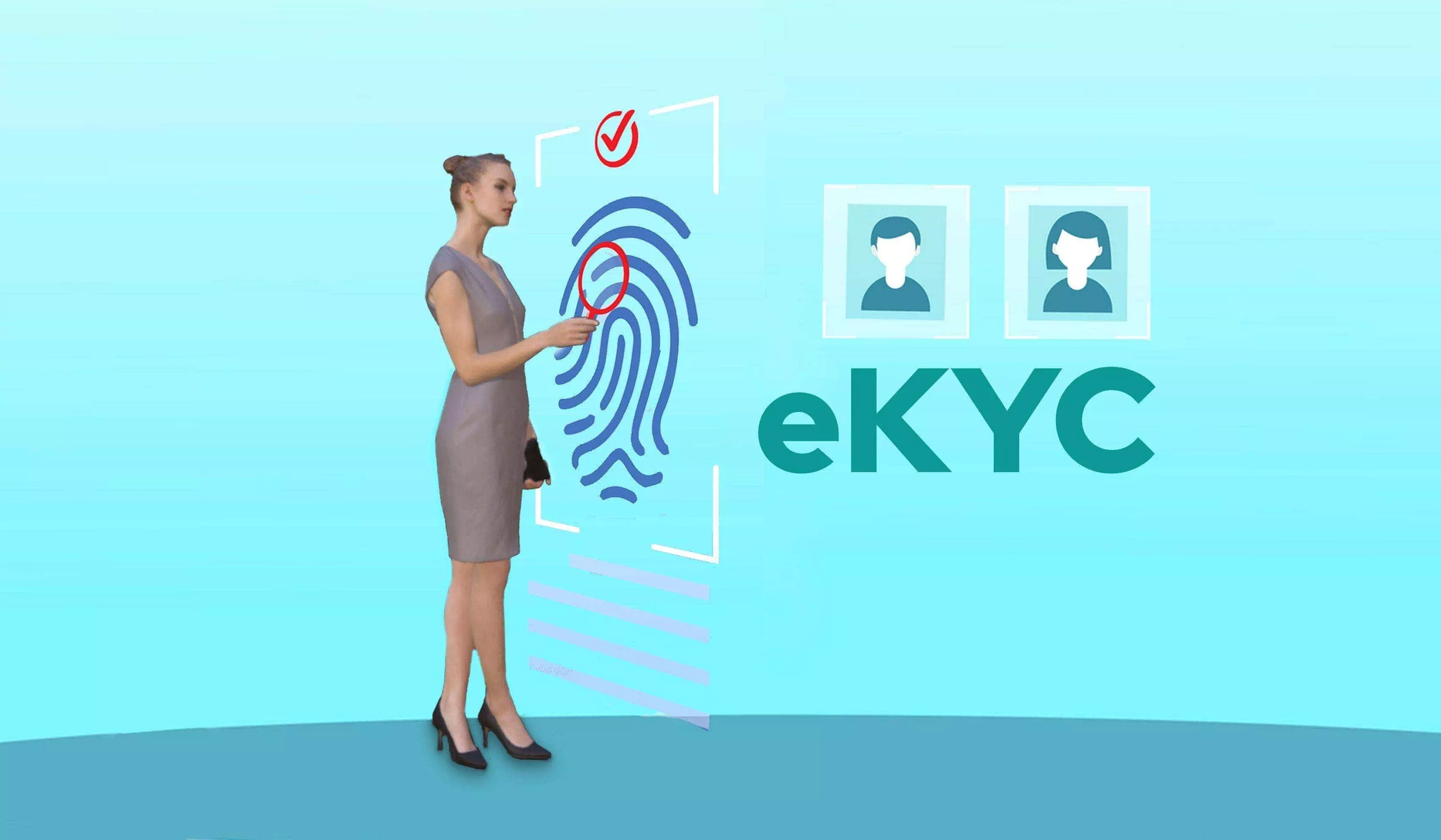
e KYC Full Form and How Digital Verification Speeds Up Loans
In today's fast-paced digital world, being able to verify an individual's identity quickly and efficiently is crucial for various financial processes, especially during loan applications.
One solution prominently used in this domain is Electronic Know Your Customer, commonly referred to as e-KYC.
In this article, we will explore the e-KYC full form, its importance in the digital verification landscape, and how it facilitates faster loan processing while also highlighting the methods to identify fake Aadhaar cards.
Understanding e-KYC: The Full Form
The e KYC full form is "Electronic Know Your Customer." This process involves the electronic verification of an individual's identity, which is a vital step for financial institutions, especially banks, to complete before granting any service such as loans, accounts, or other financial products.
The e-KYC process is a digital alternative to the traditional KYC (Know Your Customer) system, which often required physical documentation, lengthy forms, and in-person verification.
The e-KYC process uses technology to authenticate the identity of customers by verifying their official documents like Aadhaar numbers in India, thereby expediting the customer onboarding process.
The Significance of e-KYC in Digital Verification
The transition to e-KYC has brought about several advantages in digital verification:
Speed and Efficiency
One of the most significant benefits of e-KYC is the speed at which businesses can verify the identity of customers.
Traditional KYC processes could take days or even weeks to complete due to paperwork and manual verification. On the other hand, e-KYC can significantly reduce this time to just a few minutes or seconds.
This rapid processing is particularly advantageous for loan applications, allowing individuals to receive funds much faster than ever before.
Read: How to Buy Bitcoin (BTC) with Canadian Dollars (CAD)
Reduced Operational Costs
Implementing e-KYC reduces the need for extensive paperwork and manual labor in the verification process.
Financial institutions can save substantial amounts of money on administrative costs, which can be redirected to improve customer services or lower interest rates on loans.
Enhanced Customer Experience
In today's digital age, customers seek seamless services. The adoption of e-KYC enhances the user experience by making the loan application process quicker and more convenient.
Customers can complete verification from the comfort of their homes, which is especially appealing in a post-pandemic world where in-person interactions are limited.
Better Security and Fraud Prevention
e-KYC also plays a crucial role in increasing security. It utilizes biometric identification, such as facial recognition and fingerprint scanning, which are much harder to forge compared to traditional documents like Aadhar cards.
This helps in significantly reducing fraud in financial transactions and ensuring that the individuals accessing loans are indeed who they claim to be.
How e-KYC Works
The process of e-KYC typically consists of the following steps:
- Document Upload: The applicant submits their identification documents online, including an Aadhaar number or other identification forms required by the financial institution.
- Biometric Verification: The institution verifies the submitted identity through biometric data. For instance, a fingerprint or facial recognition system can be used to validate the person’s identity against their Aadhaar information.
- API Integration: Financial institutions often use APIs that connect to Aadhaar verification databases, ensuring authentic and instantaneous verification.
- Approval or Rejection: Based on successful verification, the applicant is either approved or denied the loan. This process happens much faster than traditional methods.
How to Identify a Fake Aadhaar Card
As technology progresses, so does the ability of fraudsters to create fake identity documents, including Aadhaar cards. Here are some tips on how to identify a fake Aadhaar card:
1. Examine the QR Code
A genuine Aadhaar card contains a QR code that can be scanned for verification. Scanning this code using authorized applications can provide detailed information about the cardholder, including their photograph and other personal details.
2. Check for Holograms
Real Aadhaar cards come with security features, including holograms. Inspect the card for these holographic images, which can be challenging to replicate.
3. Verify with UIDAI
You can visit the official UIDAI (Unique Identification Authority of India) website to verify the authenticity of the Aadhaar number printed on the card. This will confirm whether the number is indeed registered.
4. Inspect the Font and Quality
Fake Aadhaar cards often have poorer print quality and can exhibit inconsistencies in font size and color. Look for high-resolution printing and clear text.
5. Mismatched Information
Personal details such as the name, photograph, and other information must be consistent and accurate on the Aadhaar card. Any discrepancies can indicate fraud.
Conclusion
In a rapidly changing financial landscape, e-KYC plays a transformative role in customer verification, making processes like loan approvals faster, cheaper, and more secure.
Understanding the e-KYC full form and its workings can help users appreciate the technological advancements that enhance their financial experiences. As we move towards a more digital future, the importance of maintaining secure and efficient systems cannot be overstated.
By being vigilant and knowing how to identify fake Aadhaar cards, customers can further protect themselves from fraud while benefiting from the advantages offered by e-KYC.