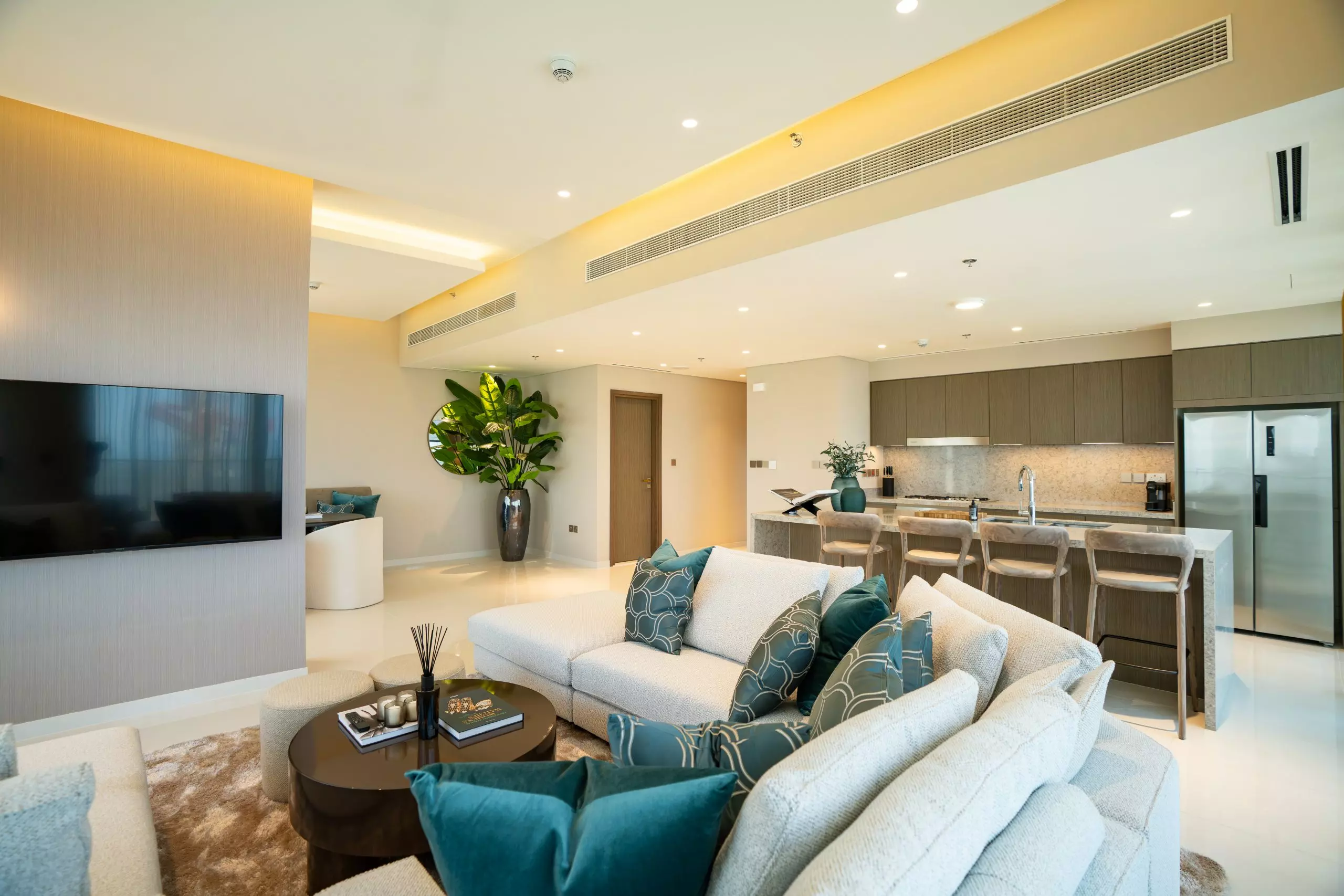
Dubai Interior Fit-Out Works Simplified Checklist – 2025 Edition
Interior fit-out projects in Dubai demand precision, planning, and a strong understanding of both design and technical execution. Whether you’re working on a luxury villa, a modern apartment, or a commercial space, the process can be overwhelming if you don’t know where to start.
Dubai has its own approval systems, construction regulations, and high expectations when it comes to craftsmanship. That’s why homeowners and developers often rely on experienced fit out companies in Dubai to navigate the process smoothly.
This checklist breaks down the essential stages of interior fit-out work so you can move from concept to completion with clarity. It’s written from the perspective of someone who has seen projects succeed and fail — and understands what really makes the difference.
Understanding What “Interior Fit-Out” Means in Dubai
A fit-out is the complete transformation of an empty or semi-finished space into a fully usable interior. This involves structural modifications, MEP works, joinery, finishes, furniture, and final beautification.
In Dubai, you’ll usually encounter two conditions:
Shell and Core
The space has only the building’s basic structure. Everything else must be built from scratch.
Category A
Basic flooring, ceilings, and lighting exist, but customization is required to match your design vision.
A reliable interior fit out company in Dubai will guide you from assessing the condition of the space to understanding what the fit-out scope truly demands.
Step 1: Define Your Vision, Needs, and Lifestyle
Before anything begins, clarity is essential.
This includes:
• Purpose of the space
• Number of occupants or employees
• Functional requirements
• Design style preferences
• Storage needs
• Lighting preferences
• Budget range
For homeowners, especially those working with villa contractors in Dubai, this stage determines everything from layout flow to material choices.
For commercial clients, it defines employee experience, meeting rooms, work zones, and brand expression.
Step 2: Choose the Right Fit-Out Partner
Expertise matters more than many clients realize. The wrong contractor leads to delays, poor execution, and cost overruns.
When shortlisting interior design fit out companies, evaluate:
Experience with similar spaces
Villa projects differ greatly from commercial fit-outs.
In-house joinery
Companies like S3T Koncepts deliver stronger quality because they control both design and craftsmanship.
Approval knowledge
Dubai Municipality, DCD, DEWA, and free zone approvals can slow your project if mishandled.
Transparent pricing
Detailed BOQs prevent surprises later.
References and portfolios
Look for variety, technical competency, and design coherence.
Villa owners typically prefer villa fit out companies in Dubai with structural and MEP experience, while commercial clients look for scale, speed, and compliance strength.
Step 3: Concept Design and Space Planning
Once the project begins, the design team starts translating your vision into organized plans.
This phase includes:
• Mood boards
• Initial layouts
• Furniture planning
• Color palette selection
• Lighting concepts
• Functional zoning
If you want a luxury aesthetic, look for firms experienced in Luxury interior design, where lighting, textures, and detailing matter as much as the layout.
A seasoned interior design company in Dubai ensures that concepts are both beautiful and practical.
Step 4: Detailed Drawings and Technical Documentation
This is where the project turns serious.
Technical drawings guide contractors, engineers, and suppliers. Mistakes here lead to costly corrections later.
Your contractor prepares:
• MEP drawings (mechanical, electrical, plumbing)
• Fire safety plans
• HVAC layouts
• Joinery details
• Ceiling plans
• Material specifications
• IT and networking plans
• Structural modification drawings
Joinery deserves special attention. A skilled joinery company in UAE must execute custom storage, kitchens, wall cladding, and built-in furniture to ensure durability and flawless finishes.
Read: Comprehensive Guide to HVAC Services: Your Trusted Partner
Step 5: Approvals, Permits, and Compliance
Dubai’s approval process can be time-consuming without experienced guidance.
Your fit-out partner will handle:
• Dubai Municipality approvals
• DCD fire safety reviews
• Building management NOCs
• Free zone approvals (Tecom, DIFC, JAFZA, etc.)
• DEWA requirements
• HSE compliance
• Structural approvals if walls or slabs are altered
A professional interior fit out company in Dubai prevents delays by preparing the right documents and coordinating with authorities efficiently.
Step 6: Execution and Site Works
The construction stage is where your project comes to life.
This involves:
Partitions
Gypsum, blockwork, or glass—depending on acoustics and privacy needs.
Ceilings
Exposed, gypsum, or grid ceilings, depending on style and utilities.
Flooring
Tiles, parquet, vinyl, carpets, or marble.
Paint and Wall Finishes
Accent walls, textured finishes, special coatings, or wallpaper.
MEP Installations
HVAC, electrical wiring, plumbing, data cabling, fire alarms.
Joinery and Carpentry
Kitchens, wardrobes, doors, vanity units, wall panels, and shelving.
Lighting
Feature lights, ambient lighting, track systems, and task lighting.
Quality and site supervision matter most here.
The best firms ensure consistent communication, daily site reporting, and periodic inspections.
Step 7: Custom-Made Furniture and Luxury Finishes
Many Dubai homes and offices rely on custom pieces instead of mass-produced items.
This helps achieve the right proportion, style, and functionality.
Clients often require:
• Custom made furniture Dubai studios craft specifically for the space
• Bespoke seating
• Tailored reception counters
• Designer cabinetry
• Luxury finishes and veneers
• Premium stone and metal detailing
High-end work calls for experienced craftsmen, which is why established firms like S3T Koncepts invest heavily in in-house joinery and fabrication.
Step 8: Final Fixes, Testing, and Snag Clearance
Before handover, every detail needs review.
This includes:
• HVAC testing
• Electrical load testing
• Water flow checks
• Door and cabinet alignment
• Tile and grout inspection
• Paint touch-ups
• Lighting performance
• Safety compliance checks
• Furniture fitting accuracy
A professional team resolves snags quickly and ensures every detail aligns with the original design intent.
Step 9: Handover and Documentation
After tests and snags are completed, the final handover includes:
• Warranty documents
• Material certificates
• Final drawings (as-built)
• Maintenance guidance
• Authority approval records
Well-organized documentation helps avoid future issues and supports future renovations.
Why Turnkey Interior Design Offers More Peace of Mind
Many clients now prefer turnkey interior solutions because they include everything from design to execution under one contract.
This eliminates coordination stress, delays, and miscommunication.
Turnkey systems offer:
• Faster delivery
• Clear accountability
• Streamlined supervision
• Better quality control
• Seamless communication
A turnkey partner like S3T Koncepts delivers unified design-build services with in-house joinery—making complex projects far more manageable.
FAQs
How long does an interior fit-out project take in Dubai?
Smaller spaces may take 4–8 weeks. Larger villas or commercial projects range from 10–20 weeks depending on complexity.
What affects the cost of interior fit-out?
Material choices, custom joinery, MEP complexity, approvals, and space size influence pricing.
Do I need approvals for residential villas?
Yes. Structural changes, MEP work, and some design modifications require municipal approvals.
Is custom-made furniture worth it?
Yes, especially for awkward layouts, luxury designs, or unique storage needs.
What is the benefit of hiring fit-out companies instead of freelancers?
Experienced firms offer supervision, compliance handling, integrated design-build workflows, and warranties.