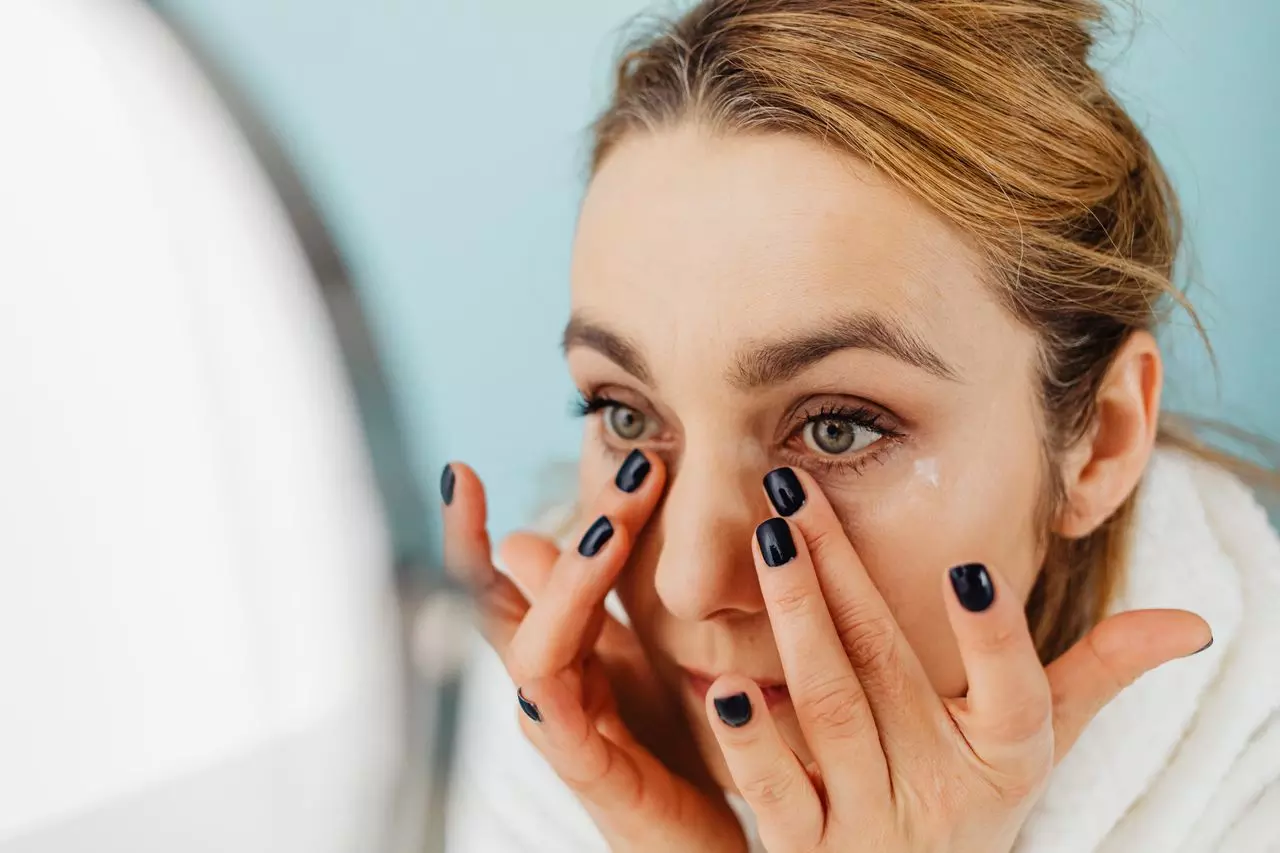
Dry Skin Under Eyes: Causes, Fixes, and When to See a Doctor
If you've noticed dry skin under eyes that feels tight, flaky, or rough to the touch, you're not imagining it — the skin in this area is thinner and more delicate than anywhere else on your face, which makes it one of the first places to show signs of moisture loss.
The good news is that in most cases, dry skin under eyes is manageable at home once you understand what's causing it.
This guide walks through the real reasons this happens, how to tell dryness apart from other skin conditions, a simple routine that actually works, and the warning signs that mean it's time to call a dermatologist.
Why the Skin Under Your Eyes Gets Dry So Easily
The skin under your eyes is roughly five times thinner than the skin on the rest of your face. It also has far fewer oil (sebaceous) glands, which means it produces less of the natural oil that normally locks moisture in.
Add in the fact that this area moves constantly — blinking, squinting, smiling — and you've got skin that's structurally set up to lose moisture faster and show damage sooner than anywhere else.
This is also why under-eye dryness often shows up before other visible signs of aging. As oil and collagen production naturally decline over time, this already-thin area is affected first.
Is It Dry Skin, Dehydrated Skin, or Something Else?
These three get confused constantly, but they're not the same thing — and the fix is different for each.
Type
What's Actually Happening
Typical Signs
Dry skin
Skin isn't producing enough oil
Flaking, rough texture, tightness that doesn't go away with water
Dehydrated skin
Skin lacks water, not oil
Skin can feel oily and tight at the same time; fine lines look more noticeable
A skin condition
An underlying issue is triggering symptoms
Redness, swelling, crusting, itching that doesn't improve, spreading rash
If moisturizer alone doesn't help within a week or two, or if you're seeing redness, swelling, or crusting, you're likely dealing with something beyond simple dryness — more on that below.
Common Causes of Dry Skin Under the Eyes
Environmental and Lifestyle Factors
- Cold, dry weather or low indoor humidity (heating and air conditioning both pull moisture from the air)
- Long hours in front of screens, which reduces blink rate and can dry out the surrounding skin
- Hot showers or washing your face with hot water
- Not drinking enough water throughout the day
Skincare Habits
- Harsh cleansers, alcohol-based toners, or exfoliating scrubs used too close to the eyes
- Overusing active ingredients like retinoids or strong acids in the eye area
- Rubbing or scratching the eyes, which damages the skin barrier further and can create a cycle of irritation
- Incomplete makeup removal, especially waterproof formulas
Skin and Eye Conditions
- Eczema (atopic dermatitis) — causes patches of dry, itchy, inflamed skin
- Contact dermatitis — an allergic or irritant reaction to a product, fragrance, or metal (like in some eyelash tools)
- Blepharitis — inflammation of the eyelid margins, often linked to clogged oil glands
- Conjunctivitis — eye inflammation that can sometimes cause dryness and irritation in the surrounding skin
Internal and Systemic Factors
- Vitamin B, E, or K deficiencies
- Thyroid conditions, kidney disease, or diabetes
- Certain medications, including antihistamines, statins, diuretics, and some eye drops
- Smoking, which reduces skin's ability to retain moisture
Read: Brighten Your Eyes: Top Dark Circles Treatments in Dubai
How to Treat Dry Skin Under Your Eyes
1. Simplify Your Routine First
Before adding anything new, strip back what might be causing irritation. Switch to a fragrance-free, soap-free cleanser and stop using scrubs, peels, or strong actives near the eye area for at least a week.
2. Choose the Right Ingredients
Look for products formulated specifically for the eye area with:
- Ceramides — help rebuild the skin's protective barrier
- Hyaluronic acid — draws water into the skin (best applied to slightly damp skin)
- Squalane or glycerin — lightweight humectants that don't clog the area
- Petrolatum-based balms — seal in moisture, especially useful overnight
Avoid fragrance, alcohol, and strong exfoliating acids directly under the eyes, since this skin can react to ingredients that are fine elsewhere on your face.
3. Build a Simple AM/PM Routine
- Morning: Gentle cleanse (or just water) → hydrating eye cream → broad-spectrum SPF
- Night: Full makeup removal → gentle cleanser → ceramide-based eye cream or balm
4. Adjust Your Environment
Run a humidifier if you're in heated or air-conditioned rooms often, and switch to lukewarm water when washing your face.
5. Support Skin From the Inside
Stay consistently hydrated, eat foods rich in omega-3s and antioxidants (leafy greens, nuts, fatty fish), and talk to your doctor about testing for a deficiency if diet changes don't seem to help.
When to See a Doctor
Most cases of dry skin under the eyes respond to a gentler routine within one to two weeks. See a dermatologist or doctor if you notice:
- Deep or bleeding cracks in the skin
- Crusting, oozing, or signs of infection
- Swelling or pain around the eye
- Vision changes
- Symptoms that keep spreading or worsening despite treatment
These can point to a condition like blepharitis, an infection, or an allergic reaction that needs targeted treatment rather than moisturizer alone.
FAQs About Dry Skin Under the Eyes
Why is the skin under my eyes so dry all of a sudden?
Sudden dryness is often triggered by a new product, a change in weather, increased screen time, or a new medication. If it appeared abruptly, think back to any recent changes in your skincare routine or environment first.
Does dry skin under the eyes cause wrinkles?
Dryness itself doesn't create wrinkles, but it does make existing fine lines more visible and can accelerate how quickly skin shows signs of aging if left untreated, since a compromised moisture barrier ages skin faster over time.
Can dry skin under the eyes be a sign of something serious?
Occasionally. Persistent dryness paired with other symptoms can be linked to thyroid issues, vitamin deficiencies, or eczema. If home care doesn't help within two weeks, it's worth mentioning to a doctor.
Is it okay to use regular face moisturizer under my eyes?
It can work in a pinch, but eye-area skin is thinner and more reactive, so a moisturizer designed for that area (usually lighter and free of common irritants) is a safer long-term choice.
How long does it take for dry skin under the eyes to heal?
With a consistent, gentle routine, most people see improvement within one to two weeks. Underlying conditions like eczema or blepharitis may take longer and often respond better with medical treatment.
The Bottom Line
Dry skin under eyes is common, and in the vast majority of cases, it's a fixable problem rather than a serious one.
Once you identify whether the cause is environmental, product-related, or tied to an underlying condition, a simplified routine built around gentle, barrier-supporting ingredients is usually enough to bring comfort back to this delicate area.
If dryness doesn't improve with basic care, don't hesitate to check in with a dermatologist — they can rule out anything more serious and get you back to feeling comfortable again.