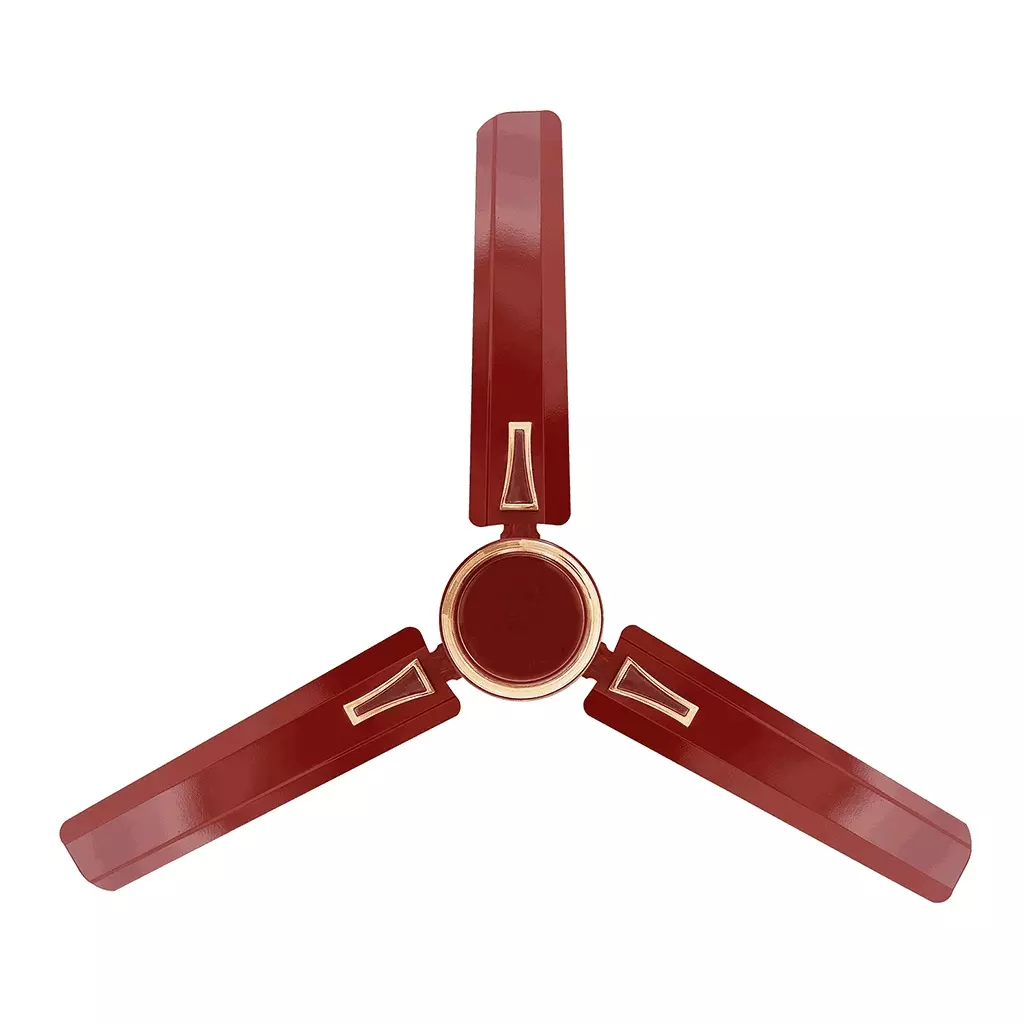
Do Ceiling Fans Help with Humidity
Humidity plays a significant role in our comfort level, especially in warmer climates or during muggy summer months. It’s that heavy, sticky feeling you get when moisture fills the air, making it harder for sweat to evaporate from your skin. While air conditioners are known to actively reduce humidity, many people wonder whether a ceiling fan can do the same. After all, fans are one of the most common household appliances for cooling rooms and promoting airflow.
So, do ceiling fans actually help with humidity? The answer is not as straightforward as a simple yes or no—it depends on what you mean by “help.” Let’s explore do ceiling fans help with humidity, their actual impact on moisture levels, and how they can contribute to overall comfort.
Understanding Humidity and Its Effects
To understand whether a ceiling fan can help with humidity, it’s important to know what humidity really is.
Humidity is the amount of water vapor present in the air. It’s often measured in two ways:
- Absolute Humidity – The actual amount of water vapor in the air, expressed in grams per cubic meter.
- Relative Humidity (RH) – A percentage that compares the amount of moisture in the air to the maximum it could hold at a given temperature.
High humidity levels—especially above 60% RH—can make the air feel warmer than it actually is. This is because our bodies rely on sweat evaporating to cool us down, but when the air is saturated with moisture, evaporation slows down.
Too much humidity indoors can cause more than just discomfort. It can also:
- Encourage mold and mildew growth
- Damage wooden furniture, floors, and musical instruments
- Make air feel stale and heavy
- Increase the risk of respiratory issues
Given these effects, it’s understandable why homeowners look for ways to control humidity and improve indoor comfort.
How Ceiling Fans Work
Ceiling fans don’t actually cool the air; instead, they move air around the room to create a wind chill effect. When air moves across your skin, it helps sweat evaporate more quickly, making you feel cooler even if the temperature remains the same.
Most ceiling fans have blades angled to push air downward when spinning counterclockwise (in summer mode). This creates a steady breeze in the room. In winter mode (clockwise rotation at low speed), the fan can circulate warm air trapped near the ceiling back into the living space.
The important point here is that ceiling fans do not remove moisture from the air the way a dehumidifier or an air conditioner would. However, they can make high-humidity environments feel less oppressive by enhancing evaporation and air movement.
The Role of Ceiling Fans in Humid Conditions
While a ceiling fan doesn’t physically reduce humidity levels, it can still help in several indirect ways:
1. Improved Comfort in High Humidity
When the air is humid, sweat on your skin evaporates more slowly. A ceiling fan speeds up the movement of air across your body, which increases the evaporation rate. Even though the moisture content in the air doesn’t change, your body perceives a cooling effect, making the environment feel less sticky.
2. Even Air Distribution
Humidity can sometimes be unevenly distributed in a space, especially if you have poor ventilation or certain corners that trap stagnant air. A ceiling fan can help mix the air so that humid pockets don’t linger in one spot for too long.
3. Preventing Moisture Buildup
In areas like kitchens, bathrooms, or laundry rooms where steam and moisture can build up, a ceiling fan combined with proper ventilation can prevent the air from feeling heavy. While an exhaust fan is better for actively removing moisture, a ceiling fan helps disperse it before it condenses on surfaces.
4. Complementing Other Humidity-Control Methods
If you’re using a dehumidifier or air conditioner, a ceiling fan can assist by circulating the dry, cool air more effectively throughout the room. This means your AC or dehumidifier doesn’t have to work as hard to achieve even comfort.
Why Ceiling Fans Don’t Actually Lower Humidity
If your goal is to reduce the actual humidity level in your home, a ceiling fan alone won’t do the job. This is because humidity is a measure of water vapor in the air, and simply moving the air around doesn’t remove any moisture.
To lower indoor humidity, you need one of these approaches:
- Air Conditioning – Cools air and removes moisture as part of the refrigeration cycle.
- Dehumidifiers – Designed specifically to pull moisture out of the air.
- Ventilation – Exchanges humid indoor air with drier outdoor air (depending on conditions).
In fact, if you live in a humid climate and keep windows open while running a ceiling fan, you may be bringing in more moisture rather than reducing it. The fan will still make you feel cooler, but the relative humidity inside could remain high.
Ceiling Fans and Perceived Humidity
The distinction between actual and perceived humidity is crucial.
- Actual Humidity: Measured scientifically; does not change with fan use.
- Perceived Humidity: How humid it feels to you; can change with fan use.
A ceiling fan improves comfort by lowering the perceived humidity. When air moves faster over your skin, your sweat evaporates more efficiently, tricking your body into feeling less hot and sticky. This can make a room feel up to 4°F (about 2°C) cooler without adjusting the thermostat.
The Science Behind Fans and Moisture
The human body cools itself primarily through evaporative cooling—the process where sweat turns into vapor and carries heat away. High humidity slows down this process because the air is already saturated with moisture.
A ceiling fan boosts evaporative cooling by:
- Increasing Airflow – More air passes over your skin, picking up sweat vapor and carrying it away.
- Enhancing Evaporation Rate – Faster air movement lowers the boundary layer of moist air that clings to your skin, allowing sweat to evaporate more quickly.
In a humid room without a fan, that layer of moist air around your body can make you feel uncomfortably warm. With a ceiling fan, the moving air helps break it up, improving comfort without physically drying the room.
Using Ceiling Fans Effectively in Humid Environments
To get the most benefit from a ceiling fan in high humidity, consider the following tips:
- Pair with AC or Dehumidifiers – Use fans to circulate air after moisture has been removed by other appliances.
- Set the Right Direction – In summer, set your fan to spin counterclockwise to push air downward and create a cooling breeze.
- Choose the Right Size – A fan too small for the room won’t circulate enough air; a larger fan can move more air with less energy.
- Use in Occupied Rooms Only – Fans cool people, not spaces. Turn them off when you leave to save energy.
- Combine with Ventilation – In kitchens and bathrooms, run exhaust fans to remove moisture, then use ceiling fans to maintain airflow.
Energy Efficiency Benefits
One of the biggest advantages of using ceiling fans in humid climates is energy savings. Because fans make you feel cooler, you can often raise your thermostat by a few degrees without sacrificing comfort. Each degree you raise the thermostat can reduce your cooling costs by around 3–5%.
This is especially valuable in regions with high humidity where air conditioners may have to work harder to remove moisture from the air. The fan won’t reduce that workload directly, but it will make it easier for you to tolerate slightly warmer, more humid air.
When Ceiling Fans Might Not Help
While ceiling fans can enhance comfort in humid spaces, there are scenarios where they might be less effective or even counterproductive:
- Extremely Humid and Still Air Outdoors – If you’re outside on a muggy day and the air is saturated, the breeze from a fan may help, but you may still feel sticky.
- High Humidity with High Heat – In dangerously hot and humid environments, fans can delay heat-related illness symptoms, but they cannot lower core body temperature as effectively as air conditioning.
- Poor Indoor Ventilation – If humidity sources like cooking steam or shower moisture aren’t vented outside, a fan may simply redistribute that humid air rather than reduce it.
The Bottom Line
Ceiling fans do not reduce the actual humidity in a room. They do, however, make humid conditions more bearable by improving airflow and enhancing your body’s natural cooling process. This results in a noticeable improvement in comfort, especially when paired with other humidity-control measures like air conditioning, dehumidifiers, or proper ventilation.
In humid climates, ceiling fans serve as an effective complement—not a replacement—for devices that physically remove moisture from the air. They’re affordable to operate, can help you save energy, and create a more pleasant living environment.
If your main concern is reducing the stuffy, sticky feeling caused by high humidity, a ceiling fan can absolutely help. But if your goal is to lower the actual moisture content in the air, you’ll need to combine it with more targeted solutions.