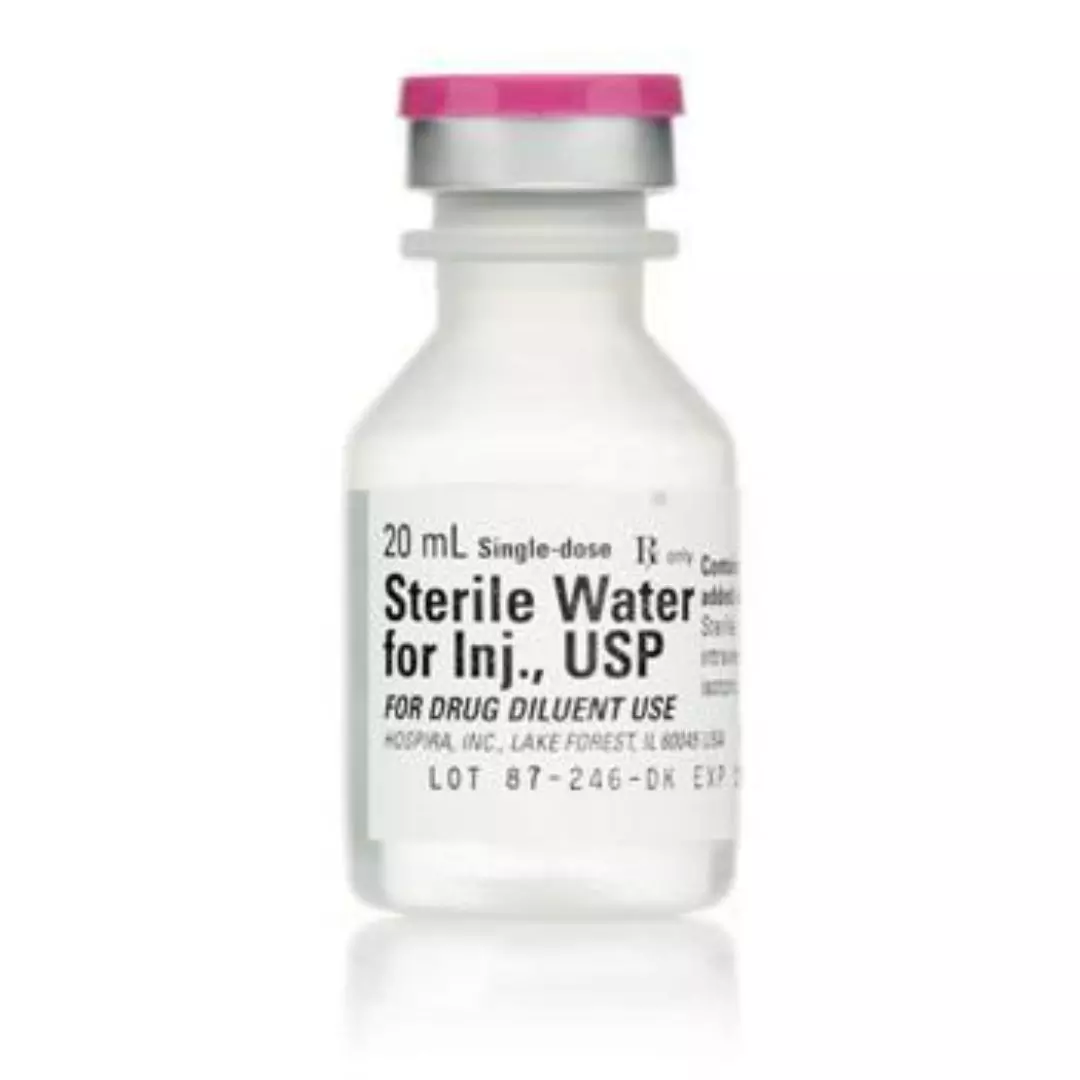
Distilled Water Adelaide: Complete Guide to Uses, Benefits, and Where to Buy
If you're looking to Buy Distilled Water Adelaide, it's important to understand what distilled water is, how it differs from sterile and bacteriostatic water, and where it is commonly used.
Distilled water is purified through a distillation process that removes minerals, salts, and many contaminants, making it suitable for medical equipment, laboratory work, automotive applications, and household appliances.
Distilled water is one of the purest forms of water available and is widely used across healthcare, scientific research, industrial applications, and everyday household tasks.
As demand for highly purified water continues to grow, many Australians are searching for reliable information before they Buy Distilled Water Adelaide for medical devices, laboratory procedures, or home use.
Understanding the differences between distilled water, sterile water, and Bacteriostatic Water helps ensure the right product is selected for the intended purpose.
Although these purified waters may appear similar, each has unique manufacturing standards, intended uses, and safety considerations.
This guide explains how distilled water is produced, its advantages, common applications, important safety information, and how it compares with other purified water products.
What Is Distilled Water?
Distilled water is purified water produced through the process of distillation. During this process, water is heated until it becomes steam.
The steam is then cooled and condensed back into liquid form, leaving behind dissolved minerals, salts, heavy metals, microorganisms, and many other impurities.
The result is water with an extremely low mineral content and a high level of purity.
Unlike ordinary tap water, distilled water contains virtually no calcium, magnesium, sodium, or other dissolved solids that may interfere with sensitive equipment or scientific procedures.
Because of its purity, distilled water is commonly used in:
- Medical environments
- Pharmaceutical manufacturing
- Laboratories
- Automotive maintenance
- Steam irons and humidifiers
- Cosmetic production
- Battery maintenance
Its versatility makes it one of the most widely used purified water products across numerous industries.
How Distilled Water Works
The effectiveness of distilled water comes from the distillation process itself.
Step 1: Heating
Water is heated until it reaches its boiling point.
Step 2: Evaporation
Only the water molecules evaporate, while minerals, salts, bacteria, and many contaminants remain behind.
Step 3: Condensation
The water vapor is cooled inside a condenser and converted back into liquid.
Step 4: Collection
The purified water is collected in sterile containers for storage and distribution.
This process significantly reduces impurities and produces water suitable for applications where mineral-free water is essential.
Key Uses and Benefits of Distilled Water
Distilled water offers several practical advantages because it contains very few dissolved substances.
Medical Equipment
Many medical devices require purified water to prevent mineral deposits that may affect performance or hygiene.
Examples include:
- CPAP machines
- Respiratory humidifiers
- Certain diagnostic equipment
Using distilled water helps reduce scaling and extends equipment life.
Laboratory Applications
Research laboratories frequently use distilled water when preparing solutions, cleaning glassware, or conducting experiments that require controlled conditions.
Minerals found in ordinary water can interfere with chemical reactions, making distilled water the preferred option.
Pharmaceutical Manufacturing
Distilled water is commonly used during pharmaceutical manufacturing as part of production processes where purified water is required.
However, injectable medications require specially manufactured sterile products rather than standard distilled water.
Household Appliances
Many Australians use distilled water in:
- Steam irons
- Humidifiers
- Vaporizers
- Coffee equipment
- Air purification systems
Because it contains no minerals, distilled water helps reduce scale buildup and improves appliance longevity.
Automotive Maintenance
Distilled water is often recommended for:
- Lead-acid batteries
- Cooling systems (when specified)
- Windshield washer formulations
Mineral-free water reduces corrosion and mineral deposits inside automotive systems.
Cosmetic and Personal Care Manufacturing
Manufacturers frequently use distilled water when producing:
- Skin care products
- Hair care products
- Essential oil formulations
- Cosmetic preparations
Purified water helps maintain product consistency and quality.
Benefits of Choosing Distilled Water
Some of the primary advantages include:
- Extremely low mineral content
- Reduced scaling in appliances
- Suitable for laboratory applications
- Supports sensitive medical equipment
- High purity through distillation
- Consistent water quality
- Wide range of industrial and healthcare uses
These characteristics explain why demand continues to grow among healthcare providers, laboratories, and households.
Safety, Risks, and Important Considerations
Although distilled water is highly purified, it is important to understand its intended purpose.
Distilled water should not automatically be considered interchangeable with sterile water or injectable water products. Different manufacturing standards apply depending on the intended medical use.
Some important considerations include:
- Distilled water is generally intended for external equipment or industrial applications unless specifically labeled for another purpose.
- Not all distilled water is sterile.
- Distilled water should never be injected unless it has been manufactured and approved specifically for injection.
- Storage conditions can affect water quality after opening.
- Always use products according to manufacturer recommendations.
Reading the product label carefully helps ensure safe and appropriate use.
Read: Best Medicine for Weight Loss | Safe and Effective Options
Distilled Water vs. Sterile Water vs. Bacteriostatic Water
Although these products are often confused, they serve different purposes.
Distilled water is purified through distillation to remove dissolved minerals and contaminants. It is widely used for equipment, laboratories, and industrial applications.
Sterile water undergoes sterilization and is manufactured specifically for medical procedures where sterility is essential. Certain formulations are intended for injection under professional guidance.
Bacteriostatic Water contains a preservative, commonly benzyl alcohol, which helps inhibit bacterial growth after opening. This allows multiple withdrawals from the same vial within the manufacturer's recommended usage period.
Similarly, Bac Water is a commonly used abbreviation for bacteriostatic water and is frequently referenced in clinical and pharmaceutical settings. Despite their similarities, each type of purified water should only be used for its intended application.
Real-World Use Cases in Australia
Across Australia, distilled water supports a wide range of industries and healthcare services.
Hospitals and research laboratories use purified water during equipment preparation and analytical procedures. Dental clinics rely on purified water for selected equipment, while manufacturing facilities use it in production processes that require low-mineral water.
Many Adelaide households also choose distilled water for humidifiers, CPAP machines, steam appliances, and battery maintenance because mineral-free water helps reduce maintenance requirements.
Healthcare professionals continue to emphasize selecting the correct purified water product based on its intended application. Educational resources provided by Bacteriostatic Water Australia also help explain these differences for healthcare and laboratory audiences.
Frequently Asked Questions
1. Is distilled water the same as sterile water?
No. Distilled water is purified by removing minerals and many contaminants through distillation, while sterile water undergoes validated sterilization processes to eliminate microorganisms.
Sterile water intended for medical use is manufactured under strict pharmaceutical standards and should not be considered identical to standard distilled water.
2. Can distilled water be used in CPAP machines?
Yes. Many CPAP manufacturers recommend distilled water because it minimizes mineral buildup inside the humidifier chamber. Using distilled water may help improve equipment longevity and reduce cleaning requirements compared with ordinary tap water.
3. How to make bacteriostatic water?
Bacteriostatic water is not simply homemade distilled water. It is manufactured under pharmaceutical-quality conditions by combining sterile water with a specified concentration of benzyl alcohol as a preservative.
Because of sterility and quality requirements, healthcare professionals generally recommend using commercially prepared products rather than attempting to make bacteriostatic water yourself.
4. What is Hospira Bac Water?
Hospira Bac Water refers to bacteriostatic water manufactured by Hospira for specific medical applications.
It contains benzyl alcohol to help inhibit bacterial growth after opening and is intended for reconstitution of certain medications when appropriate according to product labeling and healthcare guidance.
5. Is distilled water safe for laboratory use?
Yes. Distilled water is widely used in laboratories for cleaning equipment, preparing solutions, and supporting analytical procedures where low mineral content is important. However, some advanced laboratory procedures may require even higher grades of purified water.
6. Why is distilled water preferred for appliances?
Because distilled water contains very few dissolved minerals, it helps prevent scale buildup inside steam irons, humidifiers, vaporizers, and similar equipment. This can improve efficiency and reduce maintenance over time.
Key Takeaways
- Distilled water is purified through the distillation process.
- It contains very low levels of dissolved minerals.
- It is widely used in healthcare, laboratories, manufacturing, and households.
- Distilled water is different from sterile water and bacteriostatic water.
- Always choose the appropriate purified water product for its intended purpose.
- Understanding product differences helps improve safety and performance across medical and non-medical applications.
Disclaimer
This article is provided for educational and informational purposes only and should not replace professional medical, pharmaceutical, or clinical advice. Always follow product labeling and consult a qualified healthcare professional before using purified water products in medical or healthcare settings.