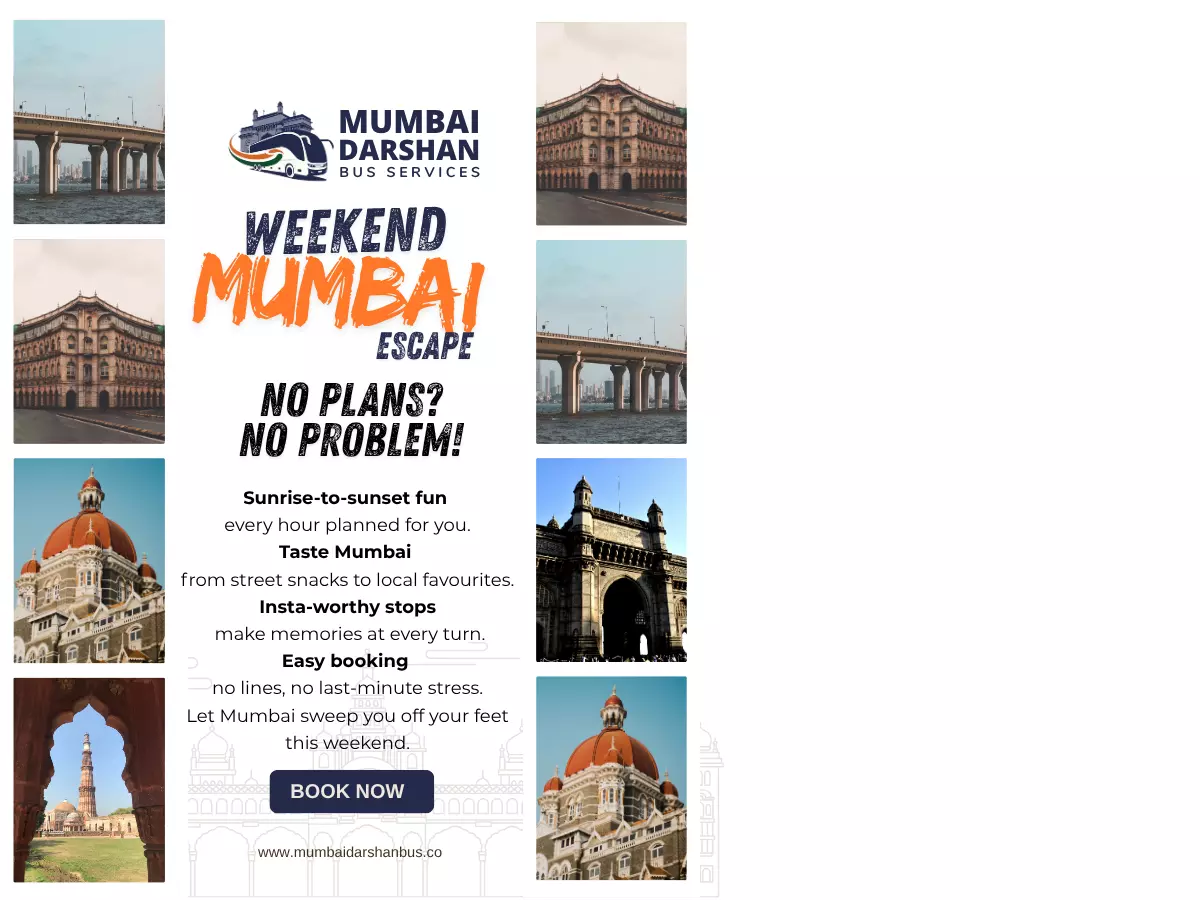
Discover Mumbai’s Iconic Sites on the Darshan Bus from CSTM
Starting your city tour with the Mumbai darshan bus from cstm offers a structured and convenient way to explore Mumbai’s iconic landmarks. CSTM, being a major railway hub, provides easy access for both local and outstation travelers, making it an ideal starting point.
This article explains how CSTM-based darshan buses work, which sites you will visit, the differences between AC and non-AC options, timing and pricing, and practical tips for a smooth sightseeing experience.
Why Choose CSTM as Your Starting Point
CSTM (Chhatrapati Shivaji Terminus) is a historic landmark itself and a central point in South Mumbai. Starting from here allows you to explore the city efficiently without backtracking.
The mumbai darshan bus from cstm gives you immediate access to the heritage heart of the city, making it perfect for first-time visitors and those traveling by train. You begin your journey in a well-connected location with minimal commuting stress.
CSTM: A Landmark and Convenient Pickup
CSTM is a UNESCO World Heritage site and a transportation hub. Most darshan buses use the station’s nearby designated stops for boarding.
Starting here ensures you are near hotels, restaurants, and other transport links. You can begin sightseeing immediately, surrounded by the grandeur of Victorian-era architecture and bustling city life.
How Mumbai Darshan Bus from CSTM Operates
The tour usually starts early morning between 7 AM and 9 AM. You report at the pickup point, confirm your booking, and board the bus.
A full-day tour covers South, Central, and Western Mumbai, including temples, beaches, heritage sites, and city viewpoints. Guided narration or recorded audio guides are often provided to enhance your sightseeing experience.
Popular Attractions Covered
While itineraries may vary slightly, the following landmarks are commonly included:
CST Building (Chhatrapati Shivaji Terminus)
Gateway of India
Marine Drive and Queen’s Necklace
Haji Ali Dargah
Siddhivinayak Temple
Hanging Gardens
Juhu Beach or Bandra Bandstand
Nehru Science Centre or Planetarium
Taraporewala Aquarium
Colaba Causeway
Starting from CSTM allows an efficient route from South Mumbai northwards, reducing unnecessary travel time.
Read: Is Haier AC a Good Choice for First-Time Buyers in India?
AC vs Non-AC Options
AC buses provide a comfortable experience, especially in Mumbai’s humid summers. Non-AC buses are budget-friendly but may feel hot during mid-day hours.
Your choice depends on weather conditions, personal comfort, and budget. AC buses are ideal for senior citizens, families with children, and tourists who prefer a relaxed ride.
Timing and Duration
Tours from CSTM generally last 10 to 12 hours. Early departures avoid heavy traffic in South and Central Mumbai.
Non-AC buses may feel warmer during peak afternoon hours, while AC buses maintain a steady temperature, ensuring a more comfortable journey.
Ideal Travelers for CSTM Departure
If you are arriving by train, staying near CST, Fort, or Churchgate, starting your Mumbai darshan from CSTM is highly convenient.
It is suitable for first-time visitors, families, solo travelers, and photography enthusiasts who want a full-day structured experience without navigating city traffic themselves.
Tips for a Smooth Tour
Arrive at least 15 minutes before the departure.
Carry water, snacks, sunscreen, and sunglasses.
Wear comfortable clothing and footwear.
Keep your mobile charged and carry a power bank.
Check seat availability for AC and non-AC buses.
Note the tour route and planned stops to manage your day efficiently.
Following these tips ensures a hassle-free and enjoyable tour.
Meals and Breaks
Most operators provide a lunch or tea break, either included in the ticket or at nearby restaurants. Breaks are usually short, so plan your meals quickly.
Some stops, like Juhu Beach or Colaba Causeway, also allow you to try local street food or snacks, enhancing your cultural experience.
Safety and Comfort Considerations
Darshan buses from CSTM are operated by licensed tour operators with trained drivers. Buses follow regulated routes to ensure passenger safety.
AC buses are recommended if you travel with children, elderly, or in summer. Non-AC buses are comfortable for travelers accustomed to Mumbai’s weather.
Pricing Overview
AC buses cost more than non-AC buses due to added comfort and air-conditioning. Non-AC buses are economical but basic.
Ticket prices vary depending on the operator, bus condition, and inclusions such as entry fees or guide services. Compare options before booking to match your budget and comfort needs.
Conclusion
Choosing the mumbai darshan bus from cstm provides a convenient, full-day sightseeing experience. Starting from this central hub allows you to efficiently cover Mumbai’s iconic attractions. AC buses offer comfort in hot weather, while non-AC buses are budget-friendly. With the right preparation, you can enjoy a smooth, memorable tour that highlights Mumbai’s culture, heritage, and coastal beauty.
Frequently Asked Questions
1. What is the starting point for the Mumbai Darshan bus from CSTM?
The pickup point is near Chhatrapati Shivaji Terminus station.
2. How long is the Mumbai Darshan tour from CSTM?
It usually lasts 10 to 12 hours.
3. Are AC and non-AC buses available?
Yes. AC buses offer more comfort, especially in summer, while non-AC buses are economical.
4. What major attractions are covered?
Gateway of India, Marine Drive, Haji Ali Dargah, Siddhivinayak Temple, and Juhu Beach are commonly included.
5. Are entry fees included in the ticket?
Typically, entry fees are not included and are paid separately at attractions.
6. Can I book the tour online?
Yes. Many operators provide online booking and e-tickets.
7. Is the tour suitable for seniors and children?
Yes, especially if you choose an AC bus for comfort.
8. Are meals included?
Meals are usually not included, but designated lunch and tea breaks are provided.
9. What should I carry during the tour?
Carry water, snacks, sunscreen, sunglasses, and a power bank.
10. Does the bus follow a fixed route?
Yes, most operators follow a structured route covering major landmarks efficiently.