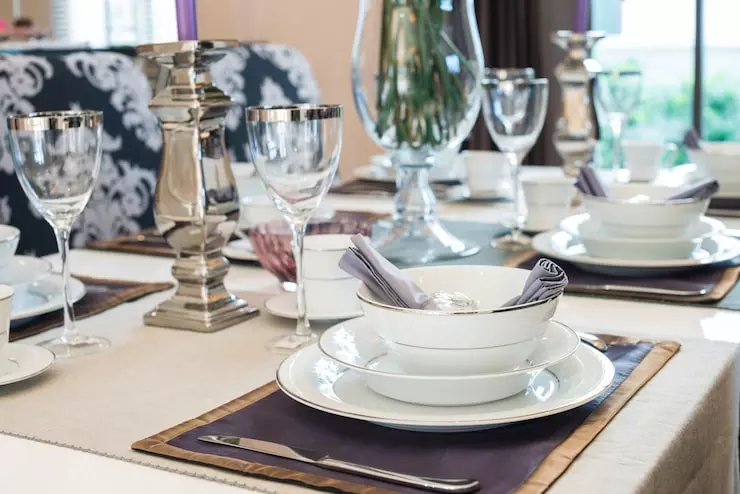
Dinner Set Price in Pakistan: How Currency Fluctuations Affect Cost
Introduction: The Unseen Force Shaping Our Dining Tables
The selection of a beautiful, long-lasting dinner set is a meaningful decision for every Pakistani household, representing hospitality and culture. Yet, the final price tag on that perfect crockery often hides a complex story of global economics and local market forces.
Many consumers find themselves genuinely perplexed when prices unexpectedly rise, wondering exactly what unseen factors are influencing this significant purchase. This detailed article explores the powerful and undeniable link between the volatile Pakistani Rupee (PKR) and the constantly shifting dinner set price in pakistan.
We will clearly show how international currency fluctuations directly translate into higher costs for both local consumers and struggling importers alike. Understanding this economic dynamic is absolutely crucial for making smart, well-timed purchases in today's unpredictable retail environment.
Phase 1: Why Dinnerware Prices Are Highly Sensitive to the Rupee
A major percentage of the high-quality dinner sets sold throughout Pakistan are either fully imported or rely completely on imported raw materials for their final production. Fine Bone China, premium Opalware, and specialized glazes are frequently sourced from international hubs like China, Thailand, or various European countries.
When the value of the Pakistani Rupee significantly drops against the US Dollar (USD), the entire cost structure for these essential items instantly changes. Importers must essentially pay far more Rupees just to acquire the exact same amount of foreign currency needed for basic raw material procurement. This immediate increase in fundamental procurement costs creates an unavoidable pressure that is subsequently passed down entirely to the ultimate consumer.
1.1 The Direct Impact of Import Duties and Tariffs
Currency devaluation doesn't just impact the material cost; it simultaneously inflates the government-mandated import duties and all related tariffs as well. These official taxes are usually calculated as a specific percentage of the imported product's overall landed value at the local port.
As the Rupee’s value decreases, that landed value dramatically increases when measured in Rupees, naturally pushing the calculated tax amount higher. Therefore, every dinner set entering the country becomes more expensive in a compounding fashion due to both the depreciated currency and the higher tax burden imposed.
This dual impact explains why the final dinner set price in pakistan often sees sharp, noticeable increases following periods of severe economic instability. This situation leaves consumers feeling frustrated and forces retailers to constantly adjust their shelf prices upward against their will.
1.2 Retailers’ Dilemma: Inventory Risk and Hedging Strategies
Local retailers and large-scale distributors face tremendous risk when purchasing high-value inventory using constantly fluctuating foreign currency. They must often decide whether to absorb some of the increasing cost or fully pass the entire increase onto the waiting consumer.
To protect their core business margins, many retailers implement currency hedging, factoring in potential future Rupee declines into their currently listed prices. This crucial protective measure ensures they can afford to restock their shelves when the next inventory shipment arrives successfully. Consequently, consumers often pay prices based on the anticipated future currency rate, even if the actual devaluation has not yet fully materialized in the market.
Phase 2: The Cascading Effect on Local Dinnerware Production
It is a common mistake to assume that only imported dinnerware is negatively affected by the relentless pressure of currency depreciation alone. Even those proudly labeled "Made in Pakistan" sets cannot completely escape the severe economic ripple effects being felt throughout the industry.
The local manufacturing of ceramics and glass still heavily relies upon imported industrial machinery, highly specialized chemical additives, and high-quality packaging materials. These necessary production components must be acquired using foreign currency, ensuring that local factories also face significantly higher operational costs almost immediately.
2.1 Fuel Costs and Logistics Inflation
A significant portion of the total cost of any dinner set involves its final transportation and energy consumption during the lengthy manufacturing process itself. In Pakistan, the price of industrial gas and all vehicle fuels is strongly pegged to the current international oil price, which is always denominated in US Dollars.
Read: Top Logistic Company in Delhi Ensuring On-Time Deliveries
When the Rupee weakens its position, the cost of generating electricity and transporting goods across the country dramatically surges upwards without warning. This dramatic logistical inflation makes local manufacturing less cost-effective, unfortunately forcing local brands to raise their prices just like their imported counterparts. The innocent consumer often ends up paying a much higher final price due to these hidden, indirect economic forces at play in the background.
2.2 Shift in Consumer Demand: The Material Trade-Off
As the price of high-end materials like Bone China or premium Opalware rises sharply due to currency devaluation, consumers naturally start shifting their purchasing preferences. They reluctantly move away from expensive, durable options and increasingly choose cheaper alternatives like basic Melamine or lower-quality ceramic sets instead.
This widespread change in consumer purchasing behavior puts immense pressure on the luxury segment, making it even harder for premium importers to sustain their business operations. Consumers are forced to make disappointing compromises, often sacrificing necessary longevity and aesthetic quality just to remain within their rapidly shrinking household budgets. It is truly heartbreaking to see quality being sacrificed for mere affordability.
Phase 3: Smart Buying Strategies in a Volatile Market
Navigating this economically challenging landscape requires more than just knowing the current dinner set price in pakistan; it demands a strategic, informed approach. Shoppers must learn to be incredibly patient and highly flexible with their desired brand and specific material choices for the best deals.
- Prioritize Durability: Focus primarily on materials like Opalware that offer the longest lifespan, ensuring you minimize the need for costly replacements in the near future.
- Monitor Local Sales Cycles: Large-scale retailers often hold seasonal sales or specific clearance events to offload older stock, providing temporary relief from immediate currency-driven price hikes.
- Buy Fewer Pieces, Higher Quality: Consider purchasing a smaller, high-quality $24$-piece set instead of a larger, cheaper $60$-piece set to maximize the inherent value per item purchased.
Conclusion: Investing Wisely in Tomorrow's Meals
The price of a beautiful dinner set in Pakistan is truly a direct reflection of the volatile economic relationship between the Rupee and the strong US Dollar. Currency fluctuations affect every single stage, from the initial raw material importation to the final transportation costs across the supply chain.
Understanding these economic realities empowers you to make thoughtful and effective purchasing decisions for your family. By prioritizing genuine durability and strategically timing your necessary purchases, you can successfully secure an elegant dining experience without completely breaking your hard-earned budget.