Digital Construction in the USA: Why BIM Services Are Now a Necessity, Not an Option
The US construction industry now relies on speed, clarity, and accuracy. Digital methods replace slow manual processes. Teams expect faster results and fewer errors. This shift makes technology essential for daily operations.
One major driver of this change is BIM Services in USA, which help teams plan, design, and build with greater control. Companies that adopt digital construction gain better coordination, stronger trust, and higher efficiency across every phase.
What Is Digital Construction?
Digital construction uses software, data, and automation to plan and manage building projects. Teams replace paper drawings with digital models and real-time updates. These tools help everyone stay aligned from design to completion.
Designers, engineers, and contractors share one clear project vision. This method reduces confusion, speeds decisions, and prevents costly mistakes. It also allows better tracking of costs, timelines, and resources.
Understanding BIM Services: The Backbone of Digital Construction
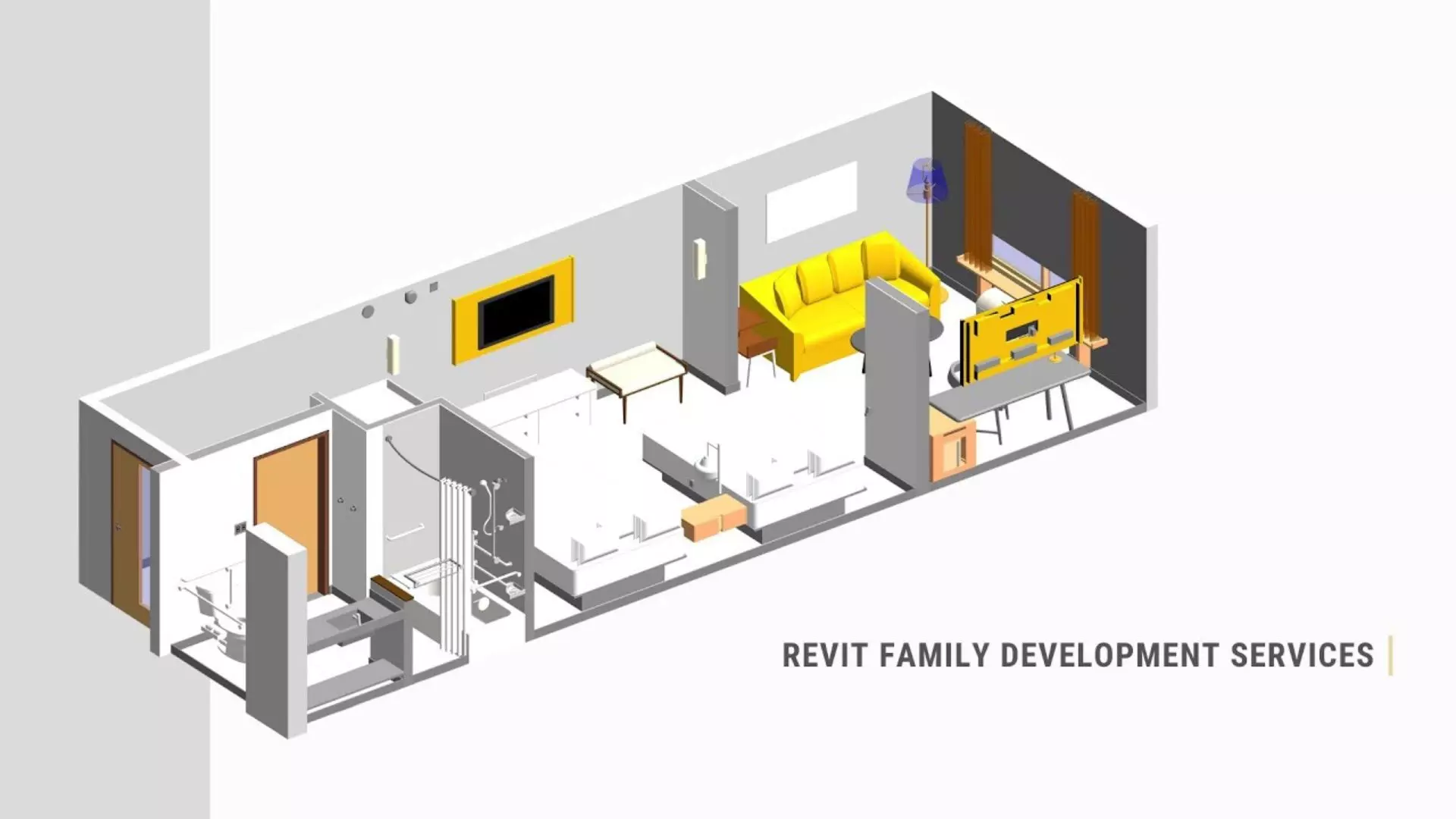
BIM services create detailed digital models that represent real buildings. These models show structure, layout, materials, and systems.
Teams use them to test ideas before construction begins. They spot conflicts early and fix problems before site work starts.
This approach saves time and money. BIM also supports clear communication among all stakeholders. Every team member sees the same updated data, which helps avoid errors and delays.
BIM also supports better planning. Teams study space use, energy flow, and site logistics. This insight leads to smarter design and smoother construction.
With accurate data, teams reduce waste and control risk. The model also helps during operation and maintenance. Facility managers use it for repairs, upgrades, and asset tracking.
Why BIM Services Are No Longer Optional in the USA
US projects now face tight deadlines, labor gaps, and high material costs. Clients demand faster delivery and better quality. Regulatory rules also require strict compliance. BIM helps teams meet these demands with precision and speed.
Many public projects now expect BIM use. Private developers also follow this path to reduce risk and cost. Firms that avoid BIM struggle to compete and often lose bids.
Key Benefits of BIM Services for US Construction Projects
BIM improves project clarity from day one. Teams detect clashes early and prevent costly rework.
Accurate models support precise cost estimates and tighter budgets. Schedules stay realistic due to clear planning. Communication improves as everyone shares the same project view.
BIM also supports safety and quality. Teams plan site logistics and reduce hazards. Builders follow accurate models, which limits errors.
Clients gain clear project insight and stronger confidence. This approach leads to smoother delivery and long-term value.
How BIM Enables Smart & Sustainable Construction
BIM helps teams design buildings that use less energy and fewer resources. Digital models show heat flow, lighting levels, and material use.
Designers test options before final choices. This approach supports smart decisions and limits waste. Teams select better layouts, systems, and materials.
These steps lower energy demand and operating cost. Owners gain buildings that last longer and perform better. BIM also helps track carbon output and water use. These insights support green goals and strict project standards.
BIM Use Cases Across Major US Construction Sectors
BIM supports many project types across the USA. Commercial projects use it to plan office space and retail layouts.
Healthcare teams rely on BIM to plan safe patient flow and system placement. Infrastructure projects apply BIM to manage bridges, roads, and transit hubs.
Residential developers use BIM for space planning and faster approvals. Industrial projects depend on BIM for system layout and site safety. Each sector gains better control, accuracy, and predictability.
BIM Adoption Trends & Market Growth in the USA
US demand for BIM services continues to rise. Public agencies now include BIM in many project rules. Large contractors invest in BIM to gain efficiency and control. Real estate developers adopt it to reduce cost and delay.
Cloud platforms also boost collaboration across regions. Remote access supports faster decision cycles. Training programs help expand skilled talent. These trends push steady market growth and long-term adoption.
Challenges Without BIM in Modern Construction
Projects without BIM face higher risk. Teams rely on manual drawings and scattered files. This setup causes confusion and delay.
Design conflicts often appear during construction. These errors increase cost and waste. Schedules slip due to poor planning.
Teams struggle to manage change. Clients face limited project clarity. These issues damage trust and profit. BIM helps prevent these problems through clear data and structured workflows.
How to Choose the Right BIM Services Provider in the USA
Start with proven experience across project types. Review past work and technical strength. Check software skills and compliance standards. Evaluate coordination methods and response time. Clear communication remains vital for success.
Strong quality checks ensure accurate output. Data security also matters for large projects. Choose a provider that values long-term support and project clarity. A reliable BIM partner helps protect cost, time, and quality.
Future of Digital Construction & BIM in the USA
The future of construction in the USA depends on data-driven planning and smart execution. BIM will connect design, build, and operations into one clear workflow.
Digital twins will help teams test changes before site action. Artificial intelligence will support faster decisions and risk control. Automation will improve site productivity and safety.
Cloud platforms will allow instant collaboration across cities and teams. Mobile access will support real-time updates and faster approvals.
Advanced analytics will improve cost control and schedule accuracy. Smart sensors will feed live data into models for better asset care. These trends will push higher project efficiency and stronger results.
As demand grows, firms will invest more in training and digital tools. Clients will expect full project visibility and stronger delivery control.
BIM will remain the core platform that supports this shift. Companies that adopt these tools will lead the market and win complex projects.
Read: Structural Steel Estimating: Tools, Techniques, and Best Practices
Conclusion
Digital construction now defines project success across the USA. BIM transforms planning, coordination, and execution. It reduces risk, controls cost, and improves quality. Teams gain clear insight, faster delivery, and stronger outcomes.
Firms that invest in BIM Modeling Services gain long-term project stability and market advantage. These services support smart design, accurate planning, and smooth construction flow. Clients benefit from better control and lasting value.
As the industry evolves, BIM will stay central to modern construction strategy. Companies that adapt early will stay competitive, efficient, and trusted.