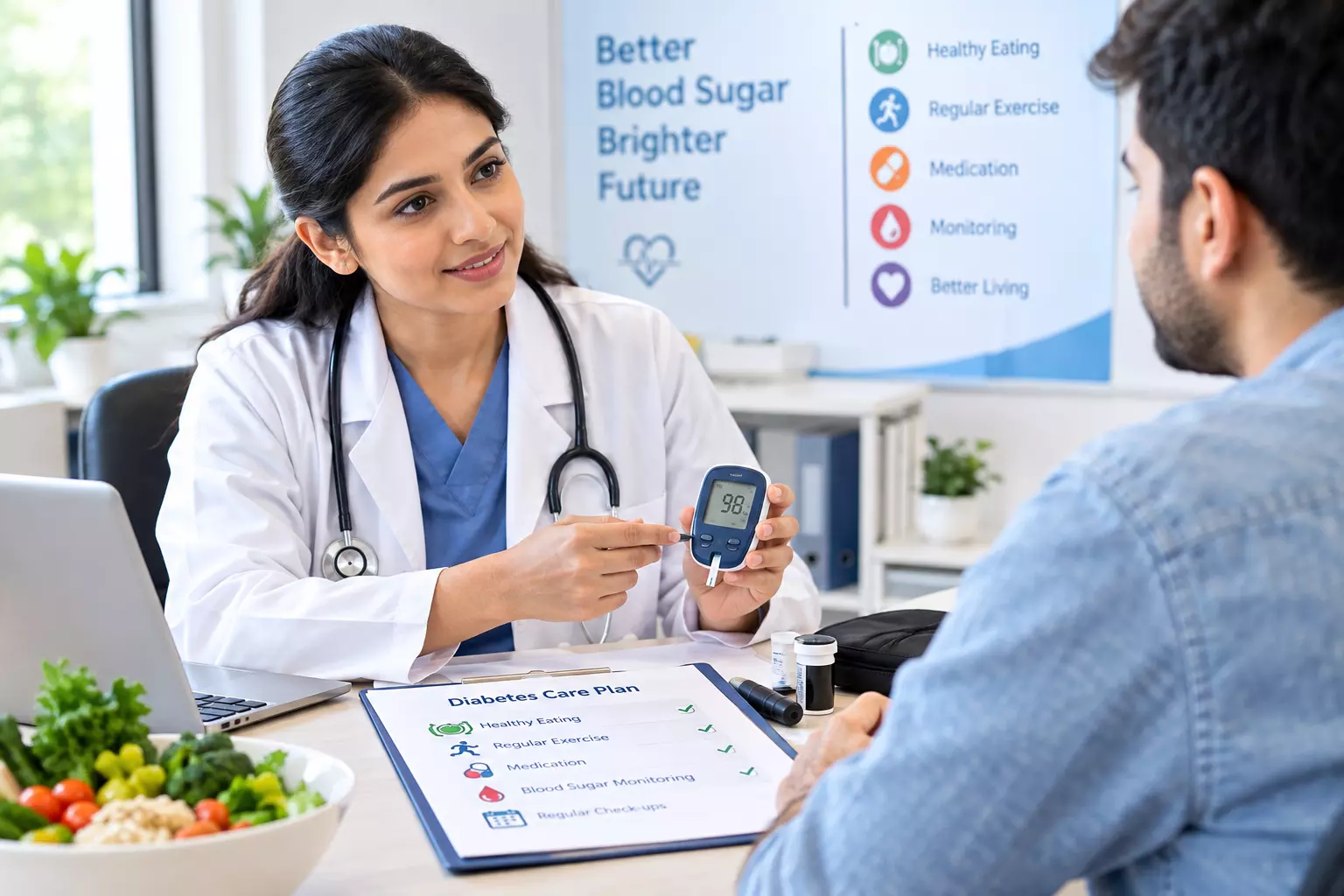
diabetes treatment & care services LS clinic
Managing diabetes requires consistent care, informed decisions, and a treatment plan that reflects each patient's individual health needs.
At LS Clinic, diabetes treatment and care service at LS Clinic focuses on helping patients understand their condition, manage blood glucose levels, and develop healthier daily habits with appropriate medical guidance.
Diabetes affects how the body regulates blood sugar, also known as blood glucose. Without suitable management, persistently elevated glucose levels can increase the risk of complications involving the heart, kidneys, eyes, nerves, and other parts of the body.
Regular medical follow-ups and a well-planned care routine can help patients manage their condition and protect their long-term health.
LS Clinic aims to support patients through informed healthcare, individualized guidance, and ongoing attention to their diabetes management needs.
Whether someone has recently received a diagnosis or has been living with diabetes for years, understanding the available care options is an important step toward making confident health decisions.
Comprehensive Diabetes Treatment and Care Services
Diabetes treatment and care service at LS Clinic involves more than occasional blood sugar checks; it requires consistent monitoring and a comprehensive approach to managing overall health.
It may include medical assessment, laboratory testing, medication management, nutrition guidance, lifestyle support, and screening for possible complications.
The appropriate services depend on the patient's diabetes type, medical history, current glucose levels, medications, and overall health. A qualified healthcare professional can help determine which aspects of care are suitable for each individual.
Diabetes Assessment and Consultation
A diabetes consultation provides an opportunity to discuss symptoms, previous test results, family history, current medications, and personal health goals.
This information helps a healthcare professional assess the patient's condition and determine whether additional investigations or treatment adjustments may be appropriate.
People experiencing frequent thirst, increased urination, unexplained weight changes, fatigue, or blurred vision should consider seeking medical advice. These symptoms can have several causes, so professional assessment is important rather than relying on symptoms alone.
For patients who already have a diagnosis, consultations can help review how well their current management plan is working and identify areas where additional support may be beneficial.
Type 1 Diabetes Care
Type 1 diabetes develops when the immune system mistakenly attacks the insulin-producing cells in the pancreas, reducing the body's ability to produce insulin. People with this condition require insulin treatment to survive.
Care generally involves insulin administration, blood glucose monitoring, meal planning, education about physical activity, and awareness of low and high blood sugar. Treatment plans should be individualized according to age, lifestyle, medical history, and other relevant factors.
Patients with type 1 diabetes benefit from understanding how food, exercise, illness, and insulin can influence glucose levels. Regular professional follow-up can help address changing needs and reduce the risk of serious complications.
Type 2 Diabetes Management
Type 2 diabetes develops when the body becomes less responsive to insulin and gradually loses the ability to produce enough of it to keep blood sugar levels within a healthy range.
Management may involve nutrition changes, regular physical activity, prescribed medication, weight management when appropriate, and routine monitoring. Some patients may also require insulin or other injectable therapies.
A suitable treatment plan depends on several factors, including glucose control, cardiovascular health, kidney function, other medical conditions, and individual preferences. Medication should be selected and adjusted by a qualified healthcare professional rather than changed without medical advice.
Gestational Diabetes Care
Gestational diabetes develops during pregnancy and requires careful monitoring to support the health of both the pregnant individual and the baby.
Care may include blood glucose checks, dietary guidance, appropriate physical activity, and medication when recommended by the treating clinician Postpartum follow-up is essential, as women who experience gestational diabetes have a higher likelihood of developing type 2 diabetes later in life.
Pregnant patients should follow guidance from their maternity and diabetes care teams and attend recommended screening appointments.
Blood Glucose Monitoring and Diabetes Testing
Monitoring blood glucose helps patients and healthcare professionals understand how different factors affect diabetes control. Depending on the treatment plan, monitoring may involve a home glucose meter, a continuous glucose monitoring system, or laboratory testing.
Blood Sugar Testing
A blood glucose test measures the amount of sugar in the bloodstream at a particular time. Depending on the reason for testing, a clinician may recommend fasting measurements, testing after meals, or checking glucose when symptoms occur.
Home monitoring schedules vary. Some patients need frequent checks because they use insulin or certain glucose-lowering medications, while others may follow a different schedule based on their treatment and risk of hypoglycemia.
Patients should receive clear instructions about when to test, how to record results, and what actions to take when readings fall outside their recommended range.
HbA1c Testing
The HbA1c test measures average blood sugar levels over the past two to three months, helping assess long-term glucose control. It is commonly used to help diagnose diabetes and assess longer-term glucose management.
The appropriate testing interval depends on the patient's circumstances and treatment plan. Results should be interpreted by a healthcare professional because some medical conditions can affect the reliability of the test.
An HbA1c goal is not identical for everyone. Age, pregnancy, medication risks, other health conditions, and individual circumstances can influence the target selected by the treating clinician.
Understanding Your Results
Blood glucose results provide useful information, but a single reading rarely tells the whole story. Patterns over time can help identify the effects of meals, physical activity, stress, illness, sleep, and medication.
Patients should discuss recurring high or low readings with their healthcare professional. Keeping a record of glucose measurements, symptoms, meals, and medications may make consultations more productive.
Medication Management for Diabetes
Medication may play a key role in managing diabetes and maintaining healthy blood glucose levels..
The choice of treatment depends on the type of diabetes, current glucose levels, other medical conditions, potential side effects, and the patient's individual needs.
Some people with type 2 diabetes manage their condition with lifestyle measures and non-insulin medications, while others require insulin or combination therapy. People with type 1 diabetes need insulin replacement.
A healthcare professional can explain how prescribed medicines work, when they should be taken, and what precautions are necessary. Patients should not stop, start, or change diabetes medication without appropriate medical guidance.
Insulin Treatment Support
Insulin helps regulate blood glucose by allowing the body to use and store glucose appropriately. Different insulin formulations act over different periods, and the prescribed regimen varies according to individual needs.
Patients who use insulin should understand their prescribed dose, injection technique, storage requirements, glucose monitoring routine, and the steps to take when they are unwell or experience unusual readings.
Because insulin can cause hypoglycemia, patients should also learn to recognize and respond to low blood sugar. Any uncertainty about dosing should be discussed with the prescribing healthcare professional.
Non-Insulin Diabetes Medicines
Several classes of medication are available for type 2 diabetes. These medicines work through different mechanisms and may have additional effects on weight, cardiovascular health, or kidney outcomes, depending on the specific drug and patient.
Not every medication is appropriate for every individual. Kidney function, other prescriptions, pregnancy considerations, potential side effects, and personal treatment goals should be reviewed before selecting or changing therapy.
LS Clinic's website should describe only those medication-related services that the clinic actually provides and that its qualified clinicians are authorized to offer.
Nutrition Guidance for Diabetes Management
Food choices can influence blood glucose levels, energy, weight, and overall metabolic health. A balanced eating pattern can support diabetes management without requiring every patient to follow the same restrictive diet.
Nutrition advice should take account of cultural food preferences, work schedules, budget, activity levels, medication use, and other health conditions. A registered dietitian or qualified healthcare professional can help patients develop a practical approach.
Balanced Meals and Portion Awareness
Meals that include vegetables, suitable sources of protein, fiber-rich carbohydrates, and appropriate amounts of healthy fats may help support balanced nutrition.
Portion sizes and carbohydrate intake can affect glucose responses. Patients using insulin or certain medicines may need specific advice on coordinating meals and medication.
Rather than following extreme diets, many people benefit from sustainable eating habits that they can maintain over time.
Carbohydrate Awareness
Carbohydrates are found in foods such as bread, rice, potatoes, fruit, milk, beans, and many packaged products. They are broken down into glucose and can influence blood sugar levels.
Learning to recognize carbohydrate-containing foods can help patients make informed meal choices. However, carbohydrates do not need to be eliminated entirely from every diabetes meal plan.
The amount and distribution of carbohydrates should reflect each person's nutritional requirements, medication regimen, and glucose patterns.
Hydration and Healthy Food Choices
Water is generally a suitable everyday drink for hydration. Sugar-sweetened beverages can raise blood glucose quickly, so patients may benefit from discussing alternatives that fit their preferences and medical needs.
Food choices should also support cardiovascular health, blood pressure management, and healthy cholesterol levels. These factors are particularly important because diabetes can increase the risk of heart and blood vessel disease.
Lifestyle Support and Physical Activity
Regular physical activity can improve insulin sensitivity, support cardiovascular health, and contribute to overall well-being. The most appropriate activity plan depends on the patient's fitness, current health, diabetes complications, and risk of low blood glucose.
Walking, cycling, swimming, resistance exercises, and other activities may be suitable for different individuals. Patients who have significant complications or other medical concerns should seek personalized guidance before beginning a new exercise program.
Building Consistent Exercise Habits
Small, achievable changes can help make activity a regular part of daily life. Some patients may begin with short walks and gradually increase their activity as their fitness improves.
People who use insulin or medications that can cause hypoglycemia may need to monitor glucose around exercise and follow an individualized plan for food, medication, and low blood sugar prevention.
Comfortable footwear, hydration, and appropriate foot care are also important, particularly for people who have reduced sensation or circulation problems.
Weight Management Support
For some people with type 2 diabetes, weight management can improve glucose regulation and reduce certain health risks. The appropriate approach depends on the patient's overall health, nutritional requirements, and personal goals.
Weight-related care should be respectful, practical, and free from unrealistic promises. Changes in eating patterns, activity, medication, and sleep may all be relevant.
Not every patient needs to lose weight. Healthcare recommendations should be based on an individual's circumstances rather than assumptions about body size.
Read: Top Clinics Offering Mounjaro in Islamabad
Preventing and Monitoring Diabetes Complications
Consistent diabetes care includes monitoring for complications that may develop over time. Appropriate screening can help identify problems early and guide treatment.
Eye Health
Diabetes can damage the small blood vessels in the retina, potentially affecting vision. Regular diabetic eye examinations can identify changes before significant symptoms develop.
Patients should follow the recommended screening schedule and seek prompt medical attention for sudden vision loss, new flashes or floaters, or other abrupt visual changes.
Kidney Health
Diabetes can affect kidney function. Healthcare professionals may recommend blood and urine tests to evaluate kidney health, alongside monitoring blood pressure and reviewing medications.
The frequency of testing depends on the patient's diagnosis, previous results, and risk factors. Early identification of kidney changes can help clinicians determine appropriate treatment and follow-up.
Foot Care
Nerve damage and reduced circulation can increase the risk of foot injuries and slow healing in people with diabetes.
Daily foot checks, appropriate footwear, regular clinical assessment, and prompt attention to cuts, blisters, swelling, redness, or wounds can help reduce the risk of serious problems.
A new foot wound, spreading redness, or signs of infection should be assessed promptly. Patients with reduced sensation should not assume that an injury is harmless simply because it does not hurt.
Heart and Blood Vessel Health
Diabetes is associated with an increased risk of cardiovascular disease. Managing blood pressure, cholesterol, smoking, physical activity, and blood glucose can form part of a broader risk-reduction plan.
Healthcare professionals may recommend additional preventive treatment according to the patient's medical history and overall cardiovascular risk.
Diabetes Education for Patients and Families
Education can help people make informed decisions and participate actively in their care. Understanding the condition, treatment options, and warning signs can make day-to-day management easier.
Family members may also benefit from learning how to support meal planning, medication routines, and glucose monitoring. With the patient's permission, involving family in consultations may improve understanding and practical support.
Important topics can include recognizing low blood sugar, understanding prescribed medications, preparing for travel, managing illness, and knowing when to seek medical attention.
Education should be accessible, culturally appropriate, and tailored to the patient's level of understanding.
Recognizing Low and High Blood Sugar
Blood glucose can fall below or rise above a person's recommended range. Both situations may require attention, and the appropriate response depends on the severity of symptoms and the treatment being used.
Low Blood Sugar
Hypoglycemia can cause shakiness, sweating, hunger, dizziness, confusion, or difficulty concentrating. Severe hypoglycemia may lead to seizures or unconsciousness.
People at risk should follow the action plan provided by their healthcare professional. A conscious person who can swallow safely is often advised to take fast-acting carbohydrate according to their individualized instructions and recheck glucose as directed.
If someone is unconscious, having a seizure, or unable to swallow safely, do not give food or drink by mouth. Seek emergency assistance and use prescribed glucagon if available and the responder knows how to administer it.
High Blood Sugar
High blood glucose may cause increased thirst, frequent urination, fatigue, and blurred vision. Persistently elevated readings may indicate that the current treatment plan needs review.
Very high glucose can sometimes lead to diabetic ketoacidosis or another serious metabolic emergency. Warning signs may include vomiting, abdominal pain, rapid or deep breathing, dehydration, and unusual drowsiness.
Suspected diabetic ketoacidosis or severe illness requires urgent medical evaluation. Patients should not delay emergency care while waiting for a routine clinic appointment.
Diabetes Care During Illness
Illness can change blood glucose levels and affect food intake, hydration, and medication requirements. Patients with diabetes should ask their healthcare professional for a personalized sick-day plan.
The plan may explain how often to monitor glucose, when to check ketones if appropriate, how to maintain fluids, and when medication adjustments or urgent assessment are necessary.
People with type 1 diabetes should not stop insulin entirely without specialist medical direction, even when they are eating less. Individual instructions are particularly important during vomiting, fever, or significant illness.
Ongoing Diabetes Follow-Up
Diabetes management can change as health needs, daily routines, and treatment responses evolve. Regular follow-up provides an opportunity to review glucose patterns, medications, laboratory results, and screening needs.
Appointments may also address questions about food, physical activity, sleep, emotional well-being, and barriers to following a treatment plan.
Keeping a list of medications and recent test results can help patients prepare for consultations. Sharing concerns openly allows the healthcare professional to consider practical changes that may make treatment easier to follow.
Why Choose LS Clinic for Diabetes Care?
Choosing a healthcare provider involves considering clinical qualifications, communication, service availability, and the ability to receive appropriate follow-up.
LS Clinic can use this section to explain its actual diabetes care services, the qualifications of its healthcare team, its appointment process, and the types of patients it supports.
Patients should be able to understand what a consultation includes, which investigations are available, whether referrals are provided when needed, and how follow-up care is arranged.
Clear information helps people decide whether a clinic meets their needs. Any statements about specialist expertise, diagnostic equipment, treatment facilities, or clinical outcomes should be accurate and independently verifiable.
Book a Diabetes Consultation at LS Clinic
Taking the next step with diabetes treatment and care service at LS Clinic begins with understanding your health and discussing your concerns with a qualified healthcare professional.
Whether you need an initial assessment, a review of an existing treatment plan, or advice about monitoring and lifestyle changes, a consultation can help clarify appropriate next steps.
Contact LS Clinic through its verified appointment channels to learn about available services, consultation arrangements, and the information you should bring to your visit.
Regular follow-up, personalized medical guidance, and practical self-management strategies can help patients work toward better diabetes control and long-term health.
Frequently Asked Questions About Diabetes Treatment and Care
What diabetes services should I look for at a clinic?
Look for appropriately qualified clinicians, individualized treatment planning, access to recommended testing, medication reviews, patient education, and suitable screening or referrals for complications.
How often should I have my blood sugar checked?
The frequency depends on your diabetes type, medications, glucose stability, and risk of hypoglycemia. Follow the monitoring schedule recommended by your healthcare professional.
Can type 2 diabetes be managed without medication?
Some people can initially manage type 2 diabetes through lifestyle changes, but others require medication from the outset or as their condition changes. Treatment decisions should be made with a qualified clinician.
Is diabetes treatment the same for everyone?
No. Care varies according to diabetes type, age, medical history, glucose levels, pregnancy status, kidney function, other health conditions, and individual treatment goals.
Why is HbA1c testing important?
HbA1c provides an estimate of average blood glucose over approximately two to three months. It helps healthcare professionals assess longer-term glucose management and review treatment when appropriate.
Does diabetes require lifelong care?
Diabetes generally requires ongoing attention, although the type and intensity of care can change. People with type 1 diabetes need lifelong insulin, while the treatment needs of people with type 2 diabetes vary.
Can healthy eating and exercise replace prescribed medication?
Not necessarily. Nutrition and physical activity are important components of diabetes management, but they do not replace medication when medication is medically necessary. Discuss any proposed treatment changes with your healthcare professional.
When should someone with diabetes seek urgent medical care?
Urgent assessment may be needed for severe hypoglycemia, confusion, unconsciousness, persistent vomiting, difficulty breathing, severe dehydration, or symptoms suggesting diabetic ketoacidosis. Emergencies should not be managed through a routine appointment alone.
How can I prepare for a diabetes appointment?
Bring your medication list, available glucose readings, recent laboratory results, and questions about symptoms or treatment. Mention any changes in health, difficulties following the plan, or possible medication side effects.
Medical and publication note: This article is general educational content and does not replace professional medical advice.
Before publishing, LS Clinic should verify all service descriptions, clinician credentials, contact details, and treatment claims. Medical content should be reviewed by an appropriately qualified healthcare professional and updated to reflect current clinical guidance.