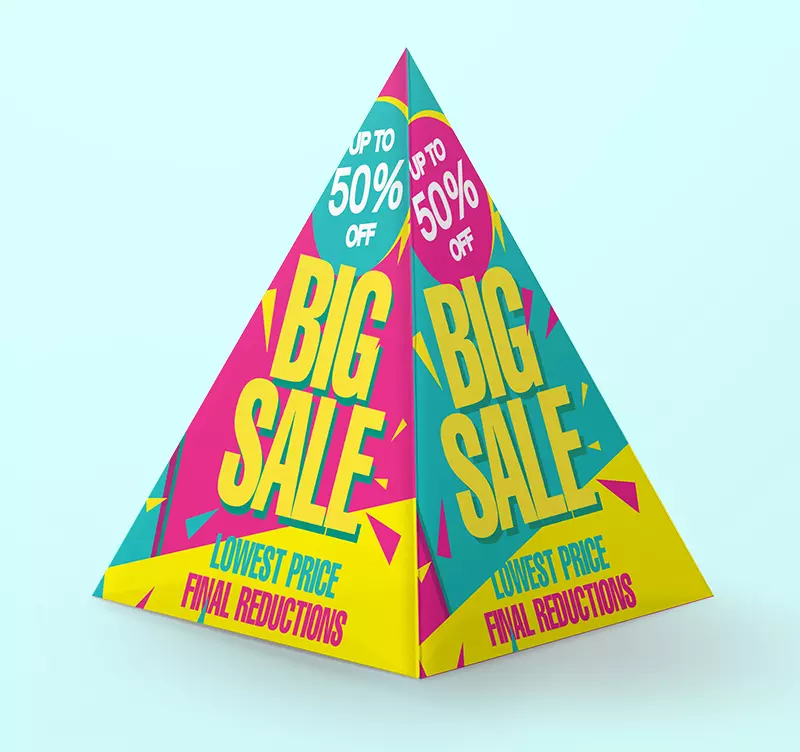
Designing the Perfect POS Display for Retail & Exhibitions
In the competitive world of retail and exhibitions, a well-designed point-of-sale (POS) display can make all the difference. It's not just about showcasing products; it's about creating an experience that engages customers and drives sales. This guide delves into the essentials of crafting effective POS displays tailored for the UK market, focusing on design principles, strategic placement, and the integration of technology.
Understanding the Role of POS Displays
POS displays serve as the final touchpoint in a customer's purchasing journey. They are strategically placed to catch the eye, inform, and persuade. Whether it's a countertop display in a high-street store or a freestanding unit at an exhibition, the goal remains the same: to influence the customer's decision at the point of purchase.
Key Elements of Effective POS Display Design
1. Visual Appeal
The first impression matters. A visually appealing pos printing display can bring people in and stimulate their interest. Consider the following:
- Colour Psychology: Colours significantly influence consumer emotions and decisions. Red, for instance, stimulates urgency and excitement, prompting immediate action, while blue fosters trust and calm, encouraging confidence in purchases.
- High-Quality Imagery: Professional, high-resolution images are crucial in e-commerce. They replicate the in-store experience, allowing customers to examine products closely, which can boost confidence and sales.
- Brand Consistency: Maintaining consistent use of colours, fonts, and design elements across all platforms reinforces brand identity. By being consistent, you increase brand awareness and trust, which increases brand recall.
A skincare brand might use soft pastels and images of serene faces to convey calmness and purity.
2. Clarity and Simplicity
Keep messaging concise and to the point. Overloading a display with information can overwhelm potential customers. Focus on:
- Significant Advantages: Clearly state how your product differs from those of your rivals. Highlight unique features, superior quality, or exceptional value to demonstrate how it meets customer needs more effectively.
- Clear Pricing: Display prices prominently and transparently. Avoid hidden fees or complex pricing structures to build trust and facilitate informed purchasing decisions, enhancing customer satisfaction.
- Call to Action: Use compelling phrases like "Limited Time Offer" or "Buy Now" to create urgency. Incorporate action-oriented language to motivate immediate customer engagement and drive conversions.
A tech gadget display might feature a large "50% Off Today Only" banner to entice quick decisions.
3. Interactivity
Interactive elements can engage customers and provide additional information. Consider:
- QR Codes: Integrate QR codes into product displays to link customers directly to engaging content such as product videos, customer reviews, or tutorials. This enhances the shopping experience and aids in informed decision-making.
- Touchscreens: Implement touchscreen kiosks or displays in-store to allow customers to explore detailed product information, compare features, and access interactive content, enriching their shopping journey.
- Augmented Reality (AR): Utilise AR technology to enable customers to visualise products in their own environment through their smartphones or AR glasses, enhancing confidence in purchasing decisions and reducing return rates.
Using augmented reality, a furniture store might demonstrate how a sofa would seem in a customer's living room.
Strategic Placement in Retail & Exhibition Spaces
The effectiveness of a POS display is significantly influenced by its placement.
Retail Environments
- Near Checkout Counters: Positioning affordable, high-margin items like snacks, cosmetics, or seasonal trinkets near checkout counters capitalises on customers' idle time, prompting spontaneous purchases.
- High-Traffic Areas: Utilising end caps and aisles with heavy foot traffic increases product visibility. Strategically placing items in these zones can significantly boost sales by attracting more customer attention.
- Eye Level Positioning: Research indicates that shoppers naturally focus on items at their eye level, leading to higher sales for products positioned there. This positioning leverages natural human tendencies to focus on central areas.
Exhibition Stands
- Central Location: Positioning your display in high-traffic areas, such as near entrances or main aisles, ensures maximum visibility.
- Open Design: An open layout allows customers to approach and explore products easily. Ensuring clear pathways and accessible displays enhances the shopping experience and encourages interaction.
- Engaging Presentations: Incorporating demonstrations, samples, or interactive elements into your display captivates customers' attention.
Incorporating Technology and Innovation
Integrating technology transforms a standard POS display into an immersive customer experience.
- Digital Screens: Digital screens in retail environments enhance customer engagement by displaying dynamic content such as product videos, tutorials, and customer testimonials. These screens capture attention and provide valuable information, improving the overall shopping experience.
- Interactive Touchpoints: Interactive touchpoints, like kiosks or digital displays, allow customers to explore product features, customise options, and access personalised information. This hands-on approach enhances customer satisfaction and can lead to increased sales.
- Data Analytics: Utilising sensors and AI-powered image recognition, retailers can track customer interactions, gather insights on behavior, and optimise store layouts. This driven by data strategy aids in decision-making to enhance sales and customer satisfaction.
A cosmetics brand might use a touchscreen to let customers try different makeup shades virtually.

Budgeting and Cost Considerations
Consider the following to optimise costs:
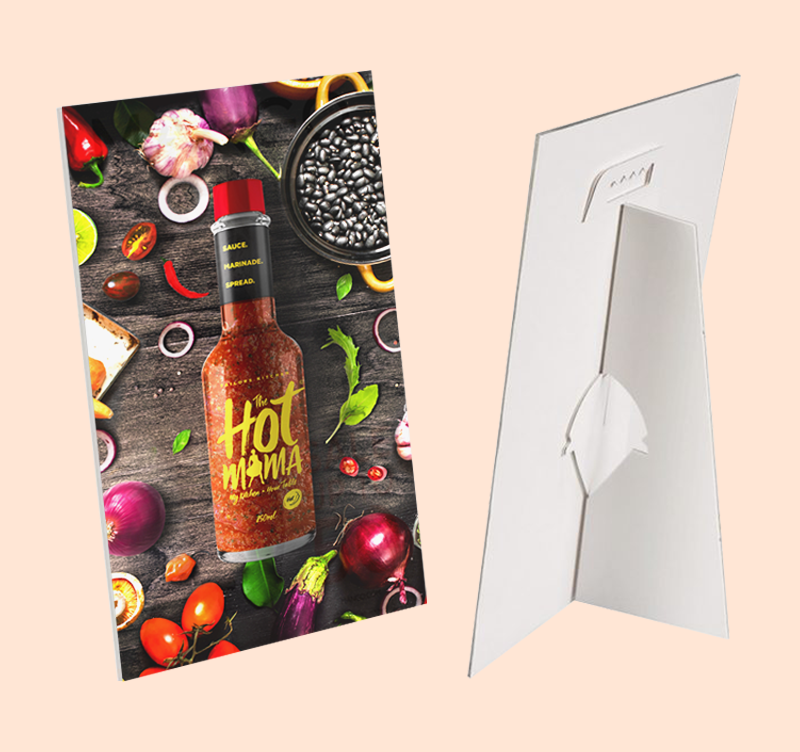
- Material Choices: Cardboard and acrylic are cost-effective materials for retail displays. Cardboard is lightweight, recyclable, and easily customisable, strut card printing making it ideal for short-term promotions. Acrylic offers durability and a premium look, suitable for longer-term displays.
- Modular Designs: Modular displays are versatile systems composed of interchangeable components that can be easily reconfigured to suit various spaces and themes. This adaptability enables retailers to swiftly adjust to evolving product assortments and seasonal campaigns.
- Local Suppliers: Sourcing materials locally reduces shipping costs and supports regional economies. It also allows for quicker turnaround times and fosters stronger relationships with suppliers, enhancing collaboration and trust.
A boutique may choose cardboard displays that are lightweight, easy to assemble, and customisable, making them ideal for seasonal promotions. These displays can be quickly set up and tailored to reflect the boutique's unique style and seasonal themes.
Conclusion
Creating the ideal point-of-sale display requires a combination of planning, creativity, and audience comprehension. By focusing on visual appeal, clarity, interactivity, strategic placement, and technological integration, brands can create displays that not only attract attention but also drive sales.
For businesses looking to bring their POS display ideas to life, partnering with a reliable printing service is crucial. VC Print offers a range of services, including POS printing and strut card printing, tailored to meet the unique needs of UK retailers and exhibitors.