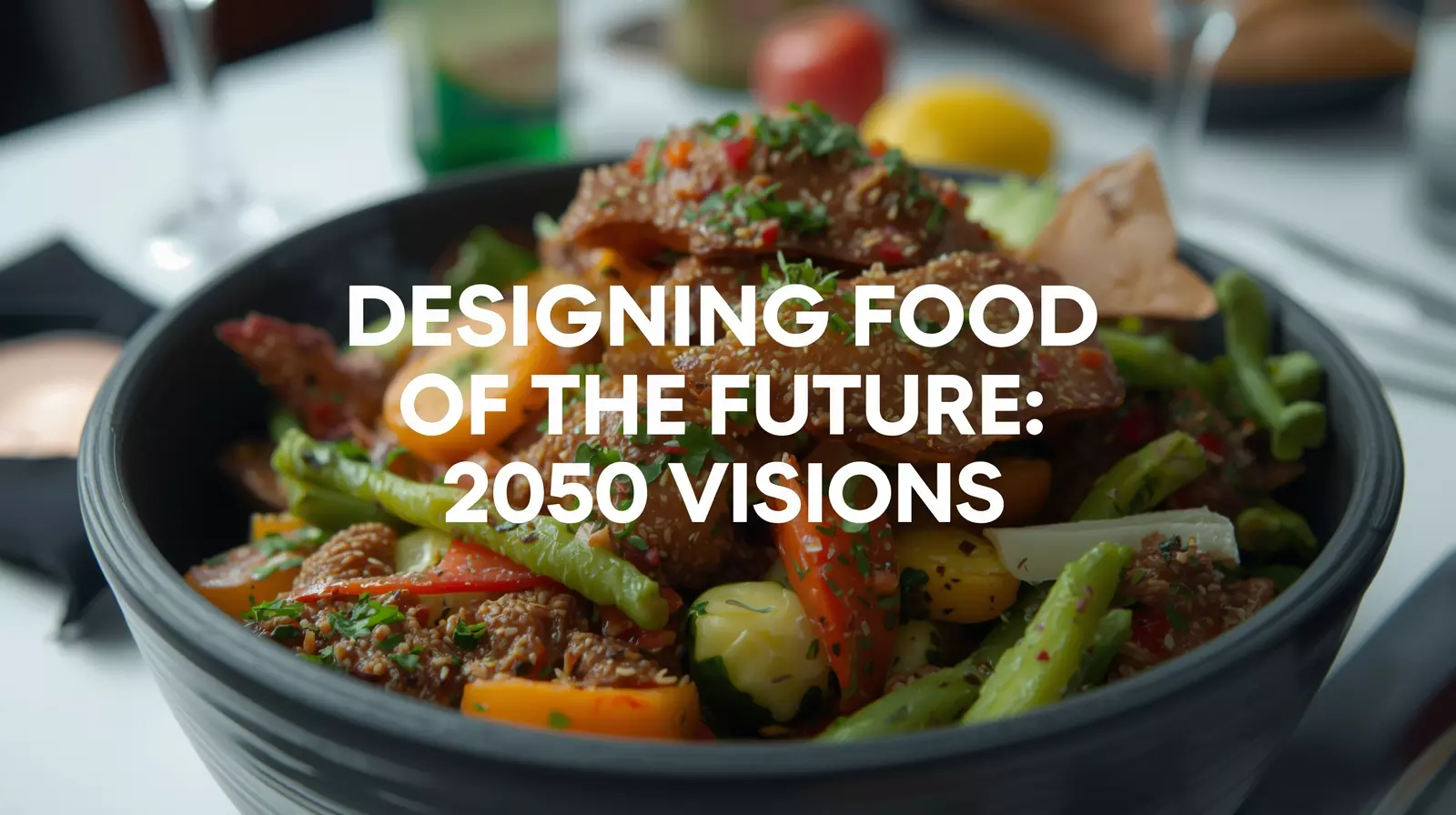
Designing the Food of the Future: 2050 Visions
The world’s population is expected to surpass nine billion by 2050. Feeding everyone safely, sustainably, and nutritiously will require more than just better farming; it demands innovation across science, technology, and design. The way we grow, package, and consume food will look drastically different from what we know today.
Let’s take a realistic look at how the food of the future might be designed from lab-grown proteins to smart packaging and how these changes could reshape what ends up on our plates.
The Changing Landscape of Global Food
Food systems are already under pressure. Climate change, water scarcity, and soil degradation threaten traditional agriculture. Meanwhile, demand for protein and fresh produce continues to rise.
By 2050, the challenge isn’t only to produce more food, it's to produce better food. That means food that uses fewer resources, creates less waste, and keeps nutrition at its core.
Future food design will focus on sustainability, circular systems, and personalization where every meal reflects both global responsibility and individual needs.
1. The Rise of Lab-Grown and Alternative Proteins
The most significant revolution in food may come from how we produce protein. Lab-grown meat, also known as cultured meat, is made from real animal cells without the need for livestock farming.
This technology could reduce greenhouse gas emissions and save vast amounts of water and land. Companies around the world are already producing prototypes of beef, chicken, and even seafood grown entirely in labs.
Alongside lab-grown meat, plant-based proteins are evolving too. The next generation of meat substitutes will go beyond soy and pea protein, incorporating fermented fungi, microalgae, and even insect protein. These innovations will not only make food more sustainable but also help fight hunger in resource-limited regions.
2. Personalized Nutrition Through Data
By 2050, food won’t just be about taste it will be about precision. Advances in biotechnology and data science will allow food to be tailored to each person’s genetic profile, health goals, and lifestyle.
Imagine ordering a meal that’s designed to optimize your immune system or balance your energy levels, created using data from your wearable device. Smart kitchens and nutrition apps will guide people toward foods that improve long-term health, reduce inflammation, and prevent disease.
The shift from one-size-fits-all diets to data-driven eating will mark one of the most profound changes in how we think about food.
3. Vertical Farms and Controlled Environments
The farms of the future won’t always be in open fields. With the rise of urbanization and shrinking farmland, vertical farms and hydroponic systems are set to dominate city landscapes.
These controlled environments use LED lighting, climate control, and nutrient-rich water to grow crops year-round with no soil, no pesticides, and no dependency on weather.
This model shortens the supply chain dramatically. Food can be grown in the same city where it’s eaten, reducing transportation costs and emissions. For urban populations, this could mean fresher produce available daily, even in densely populated areas.
4. Sustainable Food Packaging and Zero Waste Design
As food technology evolves, packaging must evolve too. Traditional plastics are one of the biggest contributors to pollution, but innovation in biodegradable and reusable materials is changing that.
In the future, packaging will be designed not just to protect food but to protect the planet. Materials made from seaweed, mushroom fibers, and recycled paper will become standard. Smart labels may track freshness or signal when a product is near expiration.
Brands are already transitioning to eco-friendly materials like custom cellophane bags, which are biodegradable and visually appealing offering a balance of sustainability and presentation. In 2050, packaging will play a vital role in reducing food waste and maintaining nutritional integrity during transport.
5. AI and Robotics in Food Production
Automation will become central to how food is grown, processed, and distributed. Robots already plant, harvest, and pack crops, and by 2050, these systems will operate autonomously with minimal human oversight.
Artificial intelligence will manage soil data, weather forecasts, and nutrient cycles to optimize yields and reduce resource use. In food factories, AI will monitor safety and quality, ensuring every product meets exact standards.
These technologies will make food production faster, safer, and more consistent, a crucial advantage in a world where demand constantly grows.
6. Smart Kitchens and Home Food Printing
Cooking in 2050 will be very different from today. 3D food printers are already being tested to create meals from pureed ingredients, layer by layer. By the middle of the century, this could become a common household appliance.
Imagine printing a pizza with perfect nutrition balance or a dessert designed with zero waste. Combined with AI-powered meal planning, smart kitchens will adjust ingredients and portion sizes automatically, helping reduce waste and improve health outcomes.
This shift won’t take away the art of cooking, it will enhance it. People will have more creative freedom while ensuring their meals are sustainable and nutritionally optimized.
7. Circular Food Systems and Regenerative Agriculture
Future food design won’t just focus on products but on entire ecosystems. Regenerative agriculture aims to restore soil health, capture carbon, and support biodiversity.
Farmers will use techniques like crop rotation, composting, and integrated livestock management to make agriculture a regenerative force rather than a destructive one.
Additionally, circular food systems will ensure that nothing goes to waste. Byproducts from one process will feed another for example, using brewery waste to grow mushrooms or converting food scraps into renewable energy.
8. Global Collaboration for Food Equity
Technology alone won’t solve the food crisis; collaboration will. Governments, scientists, and private companies must work together to ensure these innovations reach everyone not just wealthy nations.
Affordable access to healthy, sustainable food will be the cornerstone of global stability. International food programs, sustainable trade policies, and community-driven innovation hubs will ensure that the food of the future is inclusive and equitable.
9. The Human Element: Culture and Taste Still Matter
No matter how advanced food becomes, culture, emotion, and memory will always shape how we eat. Future food must honor traditions while embracing innovation.
From lab-grown sushi that preserves marine life to AI-designed bread that mimics old family recipes, the key will be to balance progress without losing the joy of food. Taste, texture, and shared experience will remain at the heart of it all.
Final Thoughts
By 2050, food will no longer be just a necessity, it will be a product of design, technology, and global awareness. Every stage of the food journey from seed to plate to packaging will reflect innovation and responsibility.
The future of food is not science fiction; it’s already taking shape in labs, farms, and cities worldwide. What we design today will define not just how we eat but how we live on this planet.
Sustainability, equity, and creativity will drive the next food revolution one meal, one innovation, and one conscious choice at a time.