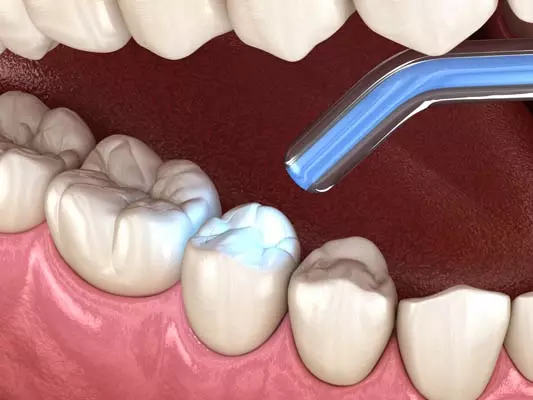
Dental Tooth Filling and Everyday Eating Habits
Dental tooth filling is a common procedure that helps restore the structure and function of teeth affected by decay or damage. It plays a vital role in maintaining oral health and ensuring that chewing and biting remain comfortable.
Understanding the relationship between tooth fillings and everyday eating habits can help people protect their dental health and enjoy meals without complications.
Importance of Tooth Fillings
Dental Tooth Filling Dubai are used to repair areas of teeth that have been weakened by cavities or minor fractures. By restoring the tooth’s structure, fillings prevent further damage and preserve the natural alignment of teeth.
They also improve overall oral function, allowing individuals to chew effectively and speak clearly.
How Tooth Fillings Influence Eating
The presence of a tooth filling can affect eating habits in subtle ways. New fillings require a period of adjustment as the mouth adapts to the restored tooth.
Chewing patterns may change slightly, and certain textures of food can feel different initially. Understanding these changes is important for maintaining comfort while eating.
Adjusting to New Fillings
After a tooth filling, individuals may notice increased sensitivity or a temporary change in bite. Foods that are very hard or sticky can place stress on the filled tooth.
Eating softer foods for the first few days allows the filling to settle and prevents unnecessary pressure on the treated area.
Chewing Techniques
Proper chewing techniques become more important after receiving a tooth filling. Biting directly into hard foods can risk dislodging the filling, especially in the case of larger restorations.
Gradually introducing more textured foods while chewing evenly on both sides of the mouth can reduce discomfort and protect the integrity of the filling.
Eating Habits That Support Dental Health
Everyday eating habits have a direct impact on the longevity of tooth fillings and overall oral health. A balanced approach to meals helps minimize the risk of cavities and prolongs the life of dental restorations.
Regular Meal Patterns
Maintaining consistent meal patterns supports oral health by reducing prolonged exposure to sugars and acids that can damage teeth.
Snacking frequently on sugary or acidic foods can create an environment where fillings are more susceptible to wear. Eating structured meals helps maintain a neutral pH in the mouth.
Hydration and Oral Cleansing
Drinking water throughout the day assists in washing away food particles and reducing the presence of harmful bacteria. Water also helps in neutralizing acids, which can protect both natural teeth and filled teeth.
Staying hydrated encourages saliva production, which naturally cleanses the mouth and strengthens enamel.
Food Texture and Chewing Considerations
Incorporating a variety of food textures supports strong jaw muscles and natural tooth cleaning. Crunchy vegetables and fruits help remove plaque while promoting gentle pressure on filled teeth.
Avoiding extreme textures, such as excessively hard nuts or sticky candies, helps maintain the integrity of fillings over time.
Read: How AI and Technology Are Transforming Oral Healthcare
Common Foods and Tooth Filling Interaction
Certain foods interact with tooth fillings in ways that require attention. Being mindful of how food affects dental restorations can prevent discomfort and damage.
Hard Foods
Chewing very hard foods immediately after a filling can place stress on the dental work. Items like raw carrots, tough crusty bread, and ice cubes should be approached cautiously, especially during the first few days after treatment.
Sticky or Chewy Foods
Sticky foods tend to adhere to teeth and fillings, which may loosen the restoration if chewed aggressively. Chewy foods require careful biting and even distribution of chewing force to avoid compromising the filling.
Temperature Sensitivity
Some fillings may initially react to extreme temperatures. Very hot or very cold foods can trigger temporary sensitivity, prompting individuals to moderate temperature extremes while eating.
This sensitivity usually diminishes over time as the tooth adjusts to the filling.
Preventive Eating Strategies
Incorporating preventive strategies into daily eating habits can extend the lifespan of dental fillings and improve overall oral health.
Balanced Diet
A diet rich in fruits, vegetables, whole grains, and proteins provides essential nutrients that support healthy teeth and gums. These nutrients strengthen the tooth structure and aid in the maintenance of fillings.
Limiting Sugary and Acidic Foods
Reducing the consumption of sugary and acidic foods minimizes the risk of further decay around the filling. Sugary foods feed bacteria that produce acids, which can compromise both natural teeth and restored areas.
Mindful Eating Practices
Mindful eating encourages slower chewing and careful attention to how food interacts with teeth. This approach reduces accidental biting on hard surfaces and promotes awareness of any changes in tooth sensitivity or discomfort.
FAQs
How soon can normal eating resume after a tooth filling?
Normal eating can usually resume within a few hours, but softer foods are recommended initially. Gradual reintroduction of harder foods helps protect the filling.
Are there foods to avoid permanently after getting a filling?
While there are no permanent restrictions, consistently avoiding excessively hard or sticky foods helps maintain the longevity of fillings and overall dental health.
Can tooth sensitivity affect food choices?
Yes, temporary sensitivity may influence food selection. Opting for moderate temperatures and softer textures can minimize discomfort while the tooth adapts to the filling.
How does hydration impact filled teeth?
Adequate water intake helps cleanse the mouth, reduce bacterial growth, and maintain a neutral pH, all of which protect both natural teeth and fillings.
Do filled teeth require special chewing techniques?
Using both sides of the mouth evenly and avoiding direct force on the filled tooth initially ensures comfort and prevents potential damage.
Dental Tooth Filling in Dubai play a crucial role in restoring oral health and function, while everyday eating habits directly influence their effectiveness and longevity.
By adjusting chewing techniques, practicing mindful eating, and maintaining balanced nutrition, individuals can enjoy meals comfortably while supporting the health of filled teeth.
Regular attention to food choices and oral hygiene habits helps ensure that dental restorations continue to function effectively for years to come.