Dental Implants Oakville: Natural-Looking Tooth Replacement Options
Missing teeth can affect more than just your appearance. Tooth loss may impact your ability to chew comfortably, speak clearly, and maintain proper oral health. Fortunately, modern dentistry offers reliable solutions that restore both function and confidence.
Among the most effective options available today, dental implants have become a trusted choice for patients seeking long-lasting, natural-looking tooth replacement options in Oakville.
Dental implants are designed to look, feel, and function like natural teeth. Whether you are missing a single tooth, multiple teeth, or an entire arch, dental implants can help restore your smile and improve your quality of life.
What Are Dental Implants?
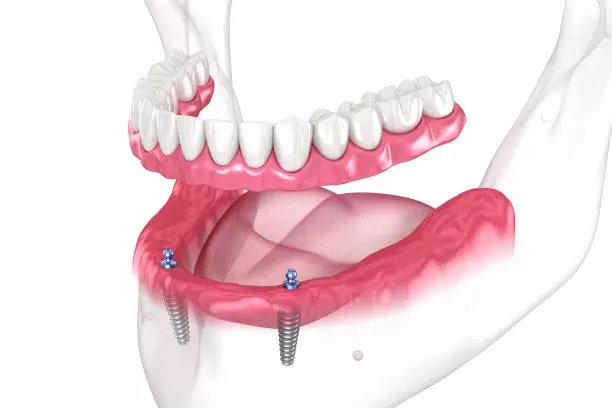
Dental implants are artificial tooth roots typically made from biocompatible titanium. These implants are surgically placed into the jawbone, where they fuse naturally with the bone through a process called osseointegration.
Once the implant has healed, a custom dental crown, bridge, or denture is attached to complete the restoration. The result is a secure and natural-looking replacement tooth that blends seamlessly with your smile.
Why Dental Implants Are Popular in Oakville
Many patients choose dental implants because they offer a permanent and highly durable solution for missing teeth. Unlike removable dentures, implants remain securely anchored in the mouth, providing stability and comfort.
Natural Appearance
Dental implants are customized to match the color, shape, and size of your surrounding teeth, creating a realistic and aesthetically pleasing result.
Long-Lasting Solution
With proper care and regular dental visits, dental implants can last for many years and often even decades.
Improved Comfort
Because implants become part of your jawbone, they feel more natural and stable than removable dentures.
Better Oral Function
Dental implants restore chewing ability and allow patients to eat many foods comfortably without worrying about slipping or discomfort.
Bone Preservation
When a tooth is lost, the jawbone in that area may begin to deteriorate over time. Dental implants help stimulate the jawbone and reduce bone loss.
Who Is a Good Candidate for Dental Implants?
Many adults with missing teeth may qualify for dental implants. Ideal candidates generally have:
- Healthy gums
- Adequate jawbone density
- Good overall oral health
- Commitment to maintaining oral hygiene
Even if you have experienced bone loss, procedures such as bone grafting may help prepare your jaw for successful implant placement.
A dental consultation is the best way to determine whether implants are right for you.
Types of Dental Implants
Dental implants can be customized to meet different patient needs.
Single Tooth Implant
A single implant supports one replacement crown and is ideal for replacing one missing tooth without affecting nearby teeth.
Implant-Supported Bridge
When several teeth are missing in a row, implants can support a bridge instead of using natural teeth for support.
Full Arch Implants
Patients missing most or all teeth may benefit from full arch implant systems that securely anchor a complete denture.
Implant-Supported Dentures
These dentures attach securely to implants for added stability and improved comfort compared to traditional removable dentures.
The Dental Implant Process
The dental implant journey typically occurs over several stages to ensure long-term success.
Initial Consultation
Your dentist will perform a comprehensive oral examination, review your medical history, and take digital X-rays or scans to assess your jawbone and oral health.
Treatment Planning
A customized treatment plan is created based on the number of missing teeth, jawbone condition, and overall oral health goals.
Implant Placement Surgery
The dental implant is surgically placed into the jawbone under local anesthesia or sedation. Most patients experience minimal
discomfort during the procedure.
Healing and Osseointegration
Over the next few months, the implant gradually fuses with the jawbone to create a strong and stable foundation.
Abutment Placement
Once healing is complete, a small connector called an abutment is attached to the implant.
Final Restoration
A custom-made crown, bridge, or denture is secured to the implant, restoring the appearance and function of your smile.
How Long Do Dental Implants Last?
Dental implants are known for their durability and longevity. With proper oral hygiene and routine dental care, implants can last for decades.
Several factors influence implant longevity, including:
- Oral hygiene habits
- Smoking
- Gum health
- Overall health conditions
- Regular dental checkups
Maintaining healthy gums and following your dentist’s recommendations can significantly improve the lifespan of your implants.
Advantages of Dental Implants Over Dentures
While dentures remain a valuable solution for some patients, dental implants offer several important advantages.
Dental Implants
Traditional Dentures
Fixed and secure
Removable
Natural feel and appearance
May shift while speaking or eating
Help preserve jawbone
Bone loss may continue
No adhesives needed
Often require adhesives
Improved chewing ability
Limited chewing power
Long-lasting solution
May require frequent adjustments
Many patients appreciate the confidence and stability that implants provide in everyday life.
Recovery After Dental Implant Surgery
Most patients recover comfortably following implant placement. Mild swelling, soreness, or discomfort may occur during the first few days, but symptoms are usually manageable with prescribed or over-the-counter medications.
Recovery Tips
- Follow all post-operative instructions carefully
- Eat soft foods during initial healing
- Avoid smoking and alcohol
- Maintain good oral hygiene
- Attend follow-up appointments
Healing times vary from person to person, but most patients return to normal activities quickly.
Caring for Your Dental Implants
Dental implants require similar care to natural teeth.
Brush and Floss Daily
Regular brushing and flossing help prevent plaque buildup and protect gum health around the implant.
Visit Your Dentist Regularly
Routine dental exams and professional cleanings help ensure your implants remain healthy and functional.
Avoid Hard Habits
Avoid chewing ice, biting hard objects, or using teeth as tools to prevent damage to restorations.
Maintain Healthy Gums
Healthy gums are essential for long-term implant success.
Common Reasons People Lose Teeth
Tooth loss can occur for several reasons, including:
- Gum disease
- Severe tooth decay
- Injury or trauma
- Aging
- Failed dental work
- Congenital missing teeth
Regardless of the cause, dental implants can help restore both appearance and oral function.
Why Choose Dental Implants for Smile Restoration?
Dental implants in Oakville provide more than cosmetic benefits. They improve overall oral health, restore bite function, and support facial structure. Patients often report increased confidence and improved quality of life after implant treatment.
Unlike traditional tooth replacement methods, implants integrate with the jawbone and function similarly to natural teeth. This makes them one of the most advanced and reliable restorative dental solutions available today.
Read: Do You Really Need a Tooth Extraction in Oakville? Find Out
Choosing the Right Dental Implant Provider in Oakville
Selecting an experienced dental implant provider is important for achieving successful results. A skilled dental team will use advanced technology, personalized treatment planning, and careful monitoring throughout your implant journey.
When choosing a provider, patients often look for:
- Experience with implant dentistry
- Modern digital imaging technology
- Comprehensive consultation process
- Personalized patient care
- Comfortable treatment environment
An experienced Oakville dental clinic can guide you through every step of the process while ensuring your comfort and long-term oral health.
Final Thoughts
Dental implants have revolutionized modern restorative dentistry by offering natural-looking, long-lasting tooth replacement solutions.
Whether you are missing one tooth or multiple teeth, implants can restore your smile, improve oral function, and enhance your confidence.
For patients seeking reliable and comfortable tooth replacement options, dental implants in Oakville provide a durable solution that closely mimics the appearance and feel of natural teeth.
Consulting with an experienced dentist can help you determine whether dental implants are the right choice for your smile restoration journey.
Frequently Asked Questions (FAQ)
Are dental implants painful?
Most patients experience minimal discomfort during the implant procedure because local anesthesia or sedation is used. Mild soreness afterward is usually manageable.
How long does the dental implant process take?
The complete process can take several months depending on healing time and whether additional procedures such as bone grafting are needed.
Can dental implants replace multiple teeth?
Yes. Dental implants can support crowns, bridges, or full dentures to replace one or several missing teeth.
How successful are dental implants?
Dental implants have a high success rate when placed by experienced professionals and properly maintained.
Do dental implants look natural?
Yes. Implant restorations are custom-made to match the appearance of your surrounding teeth.
Am I too old for dental implants?
Age alone does not usually prevent patients from getting dental implants. Overall oral and general health are more important factors.
Can smokers get dental implants?
Smoking may increase the risk of implant complications and slow healing, but some smokers may still qualify for treatment.
How do I care for dental implants?
Brush, floss, and visit your dentist regularly just as you would for natural teeth.
What happens if I do not replace a missing tooth?
Missing teeth can lead to bone loss, shifting teeth, bite problems, and changes in facial appearance over time.
Are dental implants better than dentures?
Dental implants often provide greater comfort, stability, and long-term oral health benefits compared to traditional dentures.