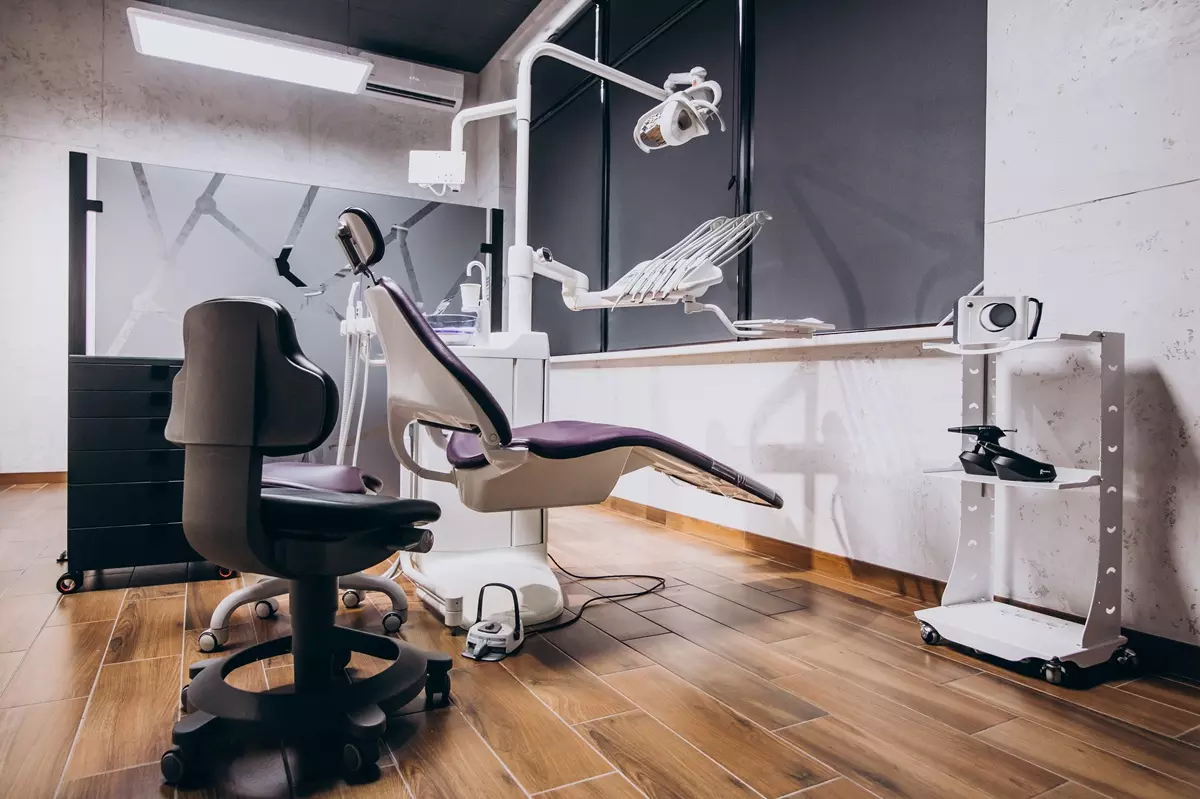
Dental Fitouts: Creating Spaces That Transform Your Practice
The fact of the matter is that your dental fitouts is more critical to the success of your practice than you may realize. It has nothing to do with possessing the newest machinery or the most ornate chairs. Well to planned dental space impacts everything from patient comfort and productivity among staff to compliance mandates and your bottom line.
Whether you are establishing your own practice for the first time, overhauling an existing practice, or simply interested in what makes dental facilities tick, getting familiar with the laws of good fitout design can revolutionize the way you think about your clinical space.
We will discuss to the key components that make dental fitouts both effective and comfortable. You will be discover how to develop patient-centred designs, enhance the wellbeing of your team, get through compliance regulations, and steer clear of expensive mistakes that will blow your project off course. We'll also address straightforward queries such as timelines, whether an architect is necessary, and how to future-proof your investment for years to come.
Understanding the Foundations of Modern Dental Fitouts
Contemporary dental fitouts must come a long way from the clinical, sterile surroundings of yesteryear. A modern practice for the today to find harmony between clinical proficiency and patient comfort and operational effectiveness with beauty. A good fitout begins with getting for a clear understanding of your practice to individual needs, patient population, and future goals.
The cornerstone of any outstanding fitout starts with sound space planning. This involves thinking beyond how to fit equipment into rooms. It's about designing sensible workflows, defining distinct areas for various activities, and ensuring that each square metre has a function.
Think about the way your patients flow through your environment, from arrival to treatment to discharge. Consider staff movements as well – how many steps does your nurse have to take to get something from a supply area? Is your receptionist able to see incoming patients while fielding phone calls?
Creating the Perfect Patient Journey Through Smart Design
The patient experience starts much earlier than when they're sitting in your chair. As soon as they're standing outside your building, all the design elements should combine to create a positive experience. Intelligent design involves considering line of sight, natural light, and even colour psychology and space.
Your reception area establishes the tone for the whole visit. Instead of the classic waiting room design, think in the terms of zones that meet to various needs. A tranquil corner with plush seating for the anxious patients, a play space for kids, or a desk for those who need to get some email done.
The idea is to make waiting time not about waiting, but a positive interlude in their day. Natural light, greenery, and paintings can make what would otherwise be a tense waiting a time into the soothing experience.
Basic Elements of Effective Dental Fitouts
Dental fitouts efficiency is not merely about speed – it's about building spaces that enable easy operations while delivering the best level of care. The key to efficiency is in your treatment room design. All rooms must be designed similarly so that staff can work intuitively wherever they are.Storage systems are make-or-break operational effectiveness.
Integrated cabinetry for supplies within easy reach, labelled drawers, and sensible organisation systems reduce time spent hunting and more time spent treating patients. Consider colour-coding levels of supplies or investing in clear storage where feasible. Mobile carts offer flexibility, but fixed storage tends to be more reliable for frequently used supplies.
What Comprises a Dental Fitouts that's Comfortable for Patients?
Comfort for patients goes far beyond a comfy chair. It begins by addressing the sensory aspect of your practice. Acoustic comfort tends to be forgotten, but the din of drills from surrounding rooms can greatly heighten patient stress. Sound-absorbing materials, careful room positioning, and good-quality insulation all help create a more tranquil atmosphere.
Temperature and ventilation surprisingly have significant contributions to comfort. No one wants to feel chilled in a dental chair or congested in an enclosed treatment room. Spend money on high-quality climate control systems with room-by-room controls. Proper ventilation enhances not only comfort but also the control of clinical Odors that may induce anxiety in some patients. Invest in air purification systems, especially today when patients are more aware of air quality.
How Long Does a Dental Fitouts Take from Beginning to End?
The timeline query keeps many practice owners lying awake at night. Full dental fitouts are usually taking around 12 to 20 weeks from first ideas to opening day. This is the though, greatly depends on your project size, complexity, and whether you're remodelling or building from ground zero.
The design and planning stage typically take 4-6 weeks. This involves first consultations, space planning, design development, and specification finalisation. Take your time in this phase – comprehensive planning at this stage saves money for changes down the track. Council permits and approvals may take a further 4-8 weeks, depending on location and project scope. Getting a jumpstart on this process, even while working on designs, can save precious time.

Do I Need an Architect for My Dental Fitouts?
The architect question really boiled down to project complexity and scope. For minor refurbishments or basic fitouts of existing medical suites, you may get away with an experienced interior designer who has healthcare expertise. Most dental fitouts, though, appreciate architectural input, especially when there's structural alteration involved.
Futureproofing Your Dental Fitouts Investment
Planning ahead pays for itself and disruption later. Futureproofing involves creating flexibility within your fitout from day one. This could involve running additional conduits for future technology, selecting modular furniture systems that are easily reconfigurable, or reserving room for extra treatment rooms as your practice expands.
Demographic changes in your region could impact future needs. An ageing population may require more accessible amenities. Young families may enjoy child-friendly areas. Incorporating flexibility into your design allows you to respond without extensive renovations
Conclusion
The best dental fitouts harmonize competing requirements without exception. They are places where patients relax and staff function effectively. They cater to today's demands while providing room for tomorrow's expansion. They adhere to legislations while also being warm and personal. Balancing these elements requires planning, skill, and investment, but the outcomes revolutionize not only your physical environment but your whole practice culture.
Your dental fitouts is more than a business expense – it's an investment in your practice's future and a statement about your commitment to patient care. Whether you're planning a complete renovation or just starting to dream about your ideal practice, taking time to understand what makes fitouts work positions you for success.