Democratizing Data: Making Analytics Accessible in Every Industry
Data is no longer just an IT function—it’s a core driver of modern business strategy. Yet, analytics often remain locked within expert teams, limiting impact. Democratizing data means empowering all employees with the ability to access and use data-driven insights. This piece explores the trend of analytics democratization, highlights the key technologies enabling it, and outlines the transformative effects it’s having across industries.
What Is Data Democratization?
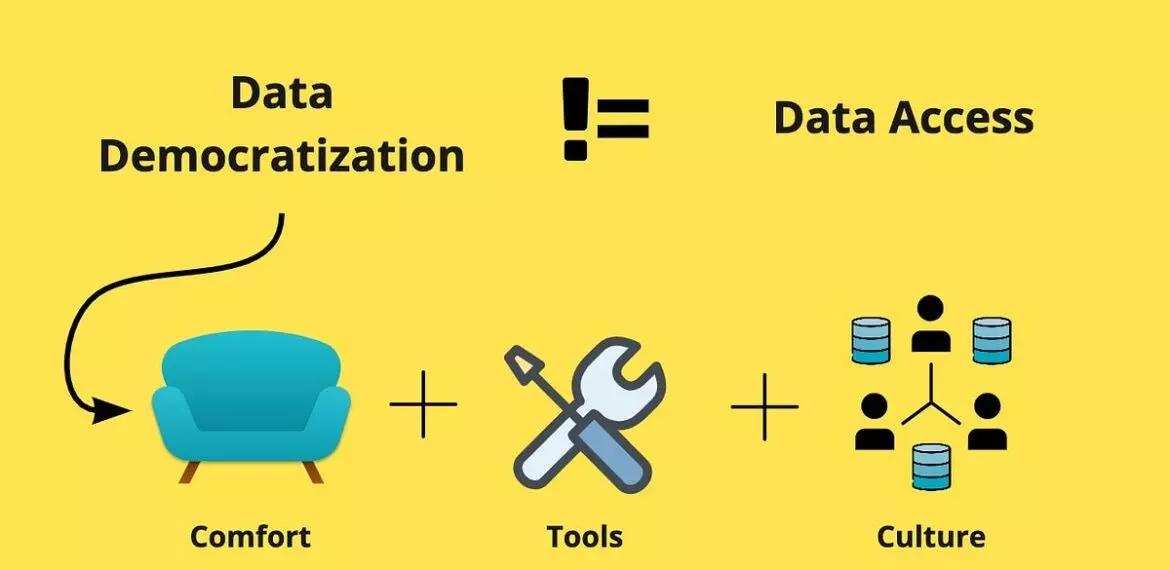
Data democratization refers to the process of making data accessible to non-technical users, enabling employees across departments—marketing, sales, operations, HR, and beyond—to work with data comfortably and make data-driven decisions. This shift is not about eliminating data scientists but about empowering everyone to participate in the analytical process.
Key pillars of data democratization include:
- Accessibility: Removing silos so all departments can access data.
- Usability: Ensuring tools are user-friendly for non-experts.
- Governance: Implementing policies to ensure secure, ethical data use.
- Literacy: Educating employees on how to read and interpret data.
Why It Matters: Business Benefits of Data Democratization
Organizations that democratize data report improvements across various metrics—from increased innovation to faster decision-making. Here’s why it matters:
1. Faster, Smarter Decisions
When employees have real-time access to analytics, decisions that once required weeks of back-and-forth can now be made in minutes. For example, a retail store manager using a dashboard can instantly adjust inventory orders based on customer buying trends without waiting for reports from headquarters.
2. Enhanced Customer Experiences
In customer service, agents with access to customer behavior analytics can provide personalized solutions, boosting satisfaction and retention. Telcos like Vodafone use democratized dashboards to help front-line employees identify and proactively solve common user problems.
3. Increased Innovation
When data is available to everyone, it sparks creative problem-solving. Consider how Spotify allows various departments—from marketing to product—to experiment with listener data to test new features or marketing campaigns.
Cross-Industry Examples of Data Democratization
Healthcare: Empowering Clinicians
Hospitals like Mount Sinai in New York are using intuitive dashboards that allow doctors and nurses to monitor patient vitals, review lab results, and track outcomes—all without needing IT assistance. This improves patient care and optimizes workflows.
Manufacturing: Optimizing Operations
In factories, line managers use real-time analytics to identify machine inefficiencies or predict equipment failures. General Electric’s Predix platform enables engineers to analyze performance metrics and implement preventive maintenance autonomously.
Education: Enhancing Learning Outcomes
Schools are leveraging platforms like Power BI and Tableau to analyze student performance and identify at-risk learners early. Teachers and administrators can tailor interventions without relying on district data analysts.
Financial Services: Expanding Access to Insights
Banks are giving loan officers and branch managers access to dashboards that show regional economic trends, customer credit behavior, and loan application metrics. This allows more personalized service and quicker decision-making.
Tools Powering the Shift
A range of tools and technologies are making analytics more accessible across industries:
1. Self-Service BI Platforms
Tools like Tableau, Power BI, and Looker provide drag-and-drop interfaces that allow users to explore data and create reports without coding knowledge.
2. Natural Language Processing (NLP)
NLP allows users to ask questions in plain English like "What were our sales in Q1 2025?" and receive instant answers. Tools such as Thought Spot and Microsoft Copilot are leading this movement.
3. Embedded Analytics
Organizations are integrating analytics directly into the applications employees use every day (like CRMs or ERPs), reducing the need to switch between platforms.
4. Cloud Data Warehouses
Solutions like Snowflake, Big Query, and AWS Redshift make data storage and querying more scalable, faster, and accessible, even for small businesses.
Overcoming Challenges in Data Democratization
Despite its advantages, democratizing data isn’t without hurdles:
Data Literacy Gap
Not all employees have the same comfort level with data. Companies like Airbnb address this by offering internal data bootcamps and certification programs.
Data Governance and Security
Access control, compliance, and data integrity are paramount. Role-based access, data masking, and audit trails ensure sensitive data remains protected while still accessible.
Organizational Resistance
Change management is crucial. It requires leadership buy-in, continuous training, and embedding data culture into everyday workflows.
Steps to Successfully Democratize Data
For companies looking to embark on this journey, here’s a structured approach:
- Audit and Inventory Data Sources
- Understand where your data lives, who owns it, and how it’s used.
- Invest in the Right Tools
- Choose platforms that are scalable, secure, and easy to use.
- Upskill Your Workforce
- Develop data literacy programs, workshops, and mentorships to build confidence.
- Build a Governance Framework
- Clearly define who can access what, and how data should be used.
- Foster a Data-Driven Culture
- Encourage curiosity and celebrate data-informed decisions across teams.
Future Trends in Data Democratization
AI-Augmented Analytics
Expect AI to do more than assist—it will proactively surface insights. For instance, AI might alert a sales team about a declining trend in customer renewals before it's too late to act.
Citizen Data Scientists
With the right tools, employees without formal data science training will be able to build models and run predictions—boosting organizational agility.
Industry-Specific Data Marketplaces
These platforms will offer pre-cleaned, ready-to-use datasets tailored for specific verticals like agriculture, energy, or logistics, further accelerating democratization.
Final Thoughts
Democratizing data is not a luxury—it’s a strategic necessity. As industries embrace data literacy and leverage modern tools, they open up new pathways for innovation, inclusivity, and performance. By enabling every employee to harness the power of data, organizations can turn insights into action faster than ever before.
For professionals looking to contribute meaningfully to this transformation, enrolling in a Data Analytics course in Delhi, Noida, Pune, Bhopal, Mumbai and other cities in India can be a game-changer. It equips individuals with the skills to interpret and act on data, making them invaluable assets in today’s data-driven landscape.